

Starting a Non-Profit Organization (NPO) in India is a noble initiative that allows you to make a meaningful social impact. Whether your mission is education, healthcare, poverty alleviation, environmental conservation, or any other cause, an NPO in India the legal framework to mobilize resources and drive change.
This step-by-step guide will help you understand the essential process, legal requirements, and key considerations to start an NPO in India.
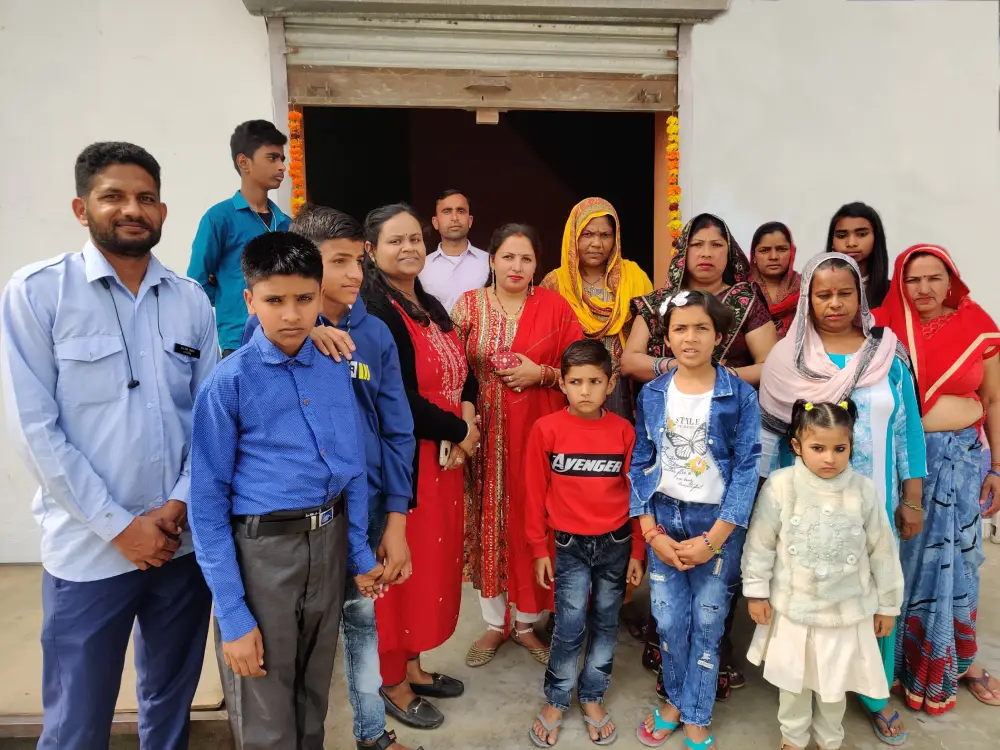

✅ What is an NPO?
An NPO (Non-Profit Organization) is an entity established to promote charitable, educational, religious, cultural, or social welfare objectives. Unlike for-profit businesses, NPOs do not distribute profits to members or stakeholders — all income is reinvested to advance the organization’s mission.
In India, NPOs can be registered under different legal structures:
-
Trust – Governed by the Indian Trusts Act, 1882
-
Society – Registered under the Societies Registration Act, 1860
-
Section 8 Company – Incorporated under the Companies Act, 2013

Each structure serves different needs, depending on the organization's size, scope, and operational complexity.
🏁 Step-by-Step Guide to Starting an NPO in India
1️⃣ Define Your Vision and Mission
Before starting, clearly outline:
-
Your cause (e.g., child education, women's empowerment, environment)
-
The target beneficiaries
-
Geographic area of operation (local, state, national)
-
Long-term vision and short-term goals
A well-defined mission statement will guide all your activities and help attract supporters and donors.
2️⃣ Choose the Right Legal Structure
There are three popular ways to register an NPO in India:
| Type | Governing Law | Best For |
|---|---|---|
| Trust | Indian Trusts Act, 1882 | Small groups, family initiatives |
| Society | Societies Registration Act, 1860 | State-level or national operations |
| Section 8 Company | Companies Act, 2013 | Professional, large-scale projects |
For most formal, large-scale operations involving fundraising, Section 8 Companies are highly recommended due to legal credibility.
3️⃣ Registering a Trust
Documents Required:
-
Trust Deed (drafted on stamp paper)
-
Details of Trustees (minimum 2)
-
Proof of registered office address
Process:
-
Draft a Trust Deed clearly stating objectives, activities, powers of Trustees
-
Submit to local Sub-Registrar office
-
Obtain Registration Certificate
Note: Trusts are easier to set up but may have limitations on governance structure.
4️⃣ Registering a Society
Documents Required:
-
Memorandum of Association (MOA)
-
Rules and Regulations
-
Details of founding members (minimum 7 for state-level, more for national)
-
Address proof
Process:
-
Submit documents to the Registrar of Societies in your state
-
Pay prescribed fees
-
Obtain Registration Certificate
Note: Societies promote democratic functioning, with elections and regular meetings.
5️⃣ Registering a Section 8 Company
Documents Required:
-
Directors’ PAN, Aadhaar, ID proof
-
Memorandum of Association (MOA) and Articles of Association (AOA)
-
Registered office address proof
-
Digital Signature Certificates (DSC)
-
Director Identification Numbers (DIN)
Process:
-
Apply for DSC and DIN
-
Reserve the company name using SPICe+ form on the MCA portal
-
Submit MOA, AOA, and incorporation documents to the Registrar of Companies
-
Receive Certificate of Incorporation
Benefits:
-
Strong legal recognition
-
Higher credibility for donors and partners
-
Suitable for national or international fundraising
6️⃣ Apply for Tax Exemptions
To attract donations and enjoy tax benefits:
-
Apply for 12A Registration (Income tax exemption for NPO)
-
Apply for 80G Certification (Donors receive tax deductions)
These registrations are crucial for financial sustainability and credibility.
7️⃣ Optional: Apply for FCRA Registration
If you plan to receive foreign donations:
-
Register under the Foreign Contribution (Regulation) Act, 2010 (FCRA)
-
Maintain separate bank accounts for foreign funds
-
Ensure strict compliance with reporting requirements
8️⃣ Open Bank Account
Once registered, open a bank account in the name of the NPO:
-
Submit incorporation documents, PAN card, and address proof
-
Pass a Board resolution authorizing bank operations
A dedicated account ensures transparency in financial management.
9️⃣ Build Your Team and Operational Plan
An effective NPO needs:
-
A board of trustees or governing body
-
Staff and volunteers
-
Financial management processes
-
Program implementation strategies
-
Regular reporting and accountability mechanisms
🔟 Start Fundraising and Activities
With legal registration complete:
-
Launch awareness campaigns
-
Apply for grants from government or private foundations
-
Organize fundraising events
-
Leverage online platforms for donations
-
Begin program implementation
Track impact, engage with stakeholders, and build trust with transparency.





