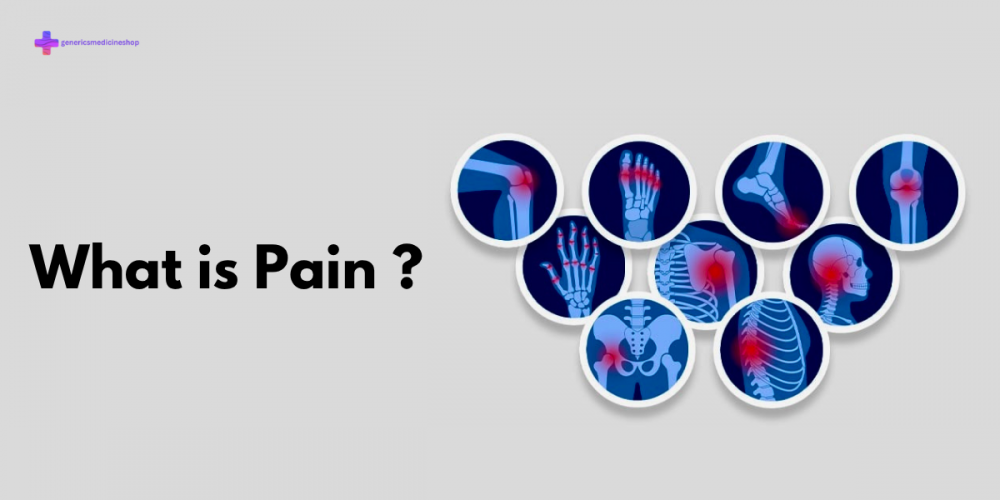
Pain is something everyone experiences at some point, yet it remains one of the most misunderstood aspects of health. It’s not just a physical sensation—it’s also emotional, psychological, and deeply personal. Whether it's a temporary injury or a chronic health condition, pain affects your ability to live fully and comfortably.
What is Pain?
Pain is the body’s natural alarm system. When something goes wrong—like a cut, bruise, infection, or internal problem—your body sends signals through your nerves to the brain. The brain then interprets these signals as pain, helping you become aware of the issue and take action.
Without pain, we wouldn’t know if we’re injured, ill, or in danger. So while pain feels uncomfortable, it serves a very important purpose.

Main Types of Pain
Pain is not all the same. It can be classified based on how long it lasts or what causes it.
1. Acute Pain
-
Short-term pain that comes on suddenly.
-
Usually caused by injury, surgery, dental work, or infection.
-
Lasts for a few hours to a few weeks, depending on the cause.
-
Goes away after proper treatment or healing.
Example: A sprained ankle or toothache.
2. Chronic Pain
-
Lasts for more than 3 months.
-
Can continue even after the original cause has healed.
-
May come and go or remain constant.
-
Affects mental health, sleep, and quality of life.
Example: Arthritis, chronic back pain, fibromyalgia.
3. Neuropathic Pain
-
Caused by damage to the nerves or nervous system.
-
Feels like burning, stabbing, tingling, or numbness.
-
Often more difficult to treat than other types of pain.
Example: Diabetic nerve pain, sciatica, post-surgical nerve damage.
4. Referred Pain
-
Pain felt in a different part of the body from where the problem actually is.
-
Happens because nerves from different areas are connected in the spinal cord.
Example: Heart attack causing pain in the left arm or jaw.
What Causes Pain?
There are countless possible causes of pain. Some of the most common include:
-
Injuries: Cuts, fractures, sprains, burns
-
Medical conditions: Arthritis, cancer, infections, migraines
-
Surgery or medical procedures: Pain post-operation
-
Nerve damage: Due to diabetes, shingles, or trauma
-
Stress and poor posture: Can lead to muscular tension and pain
In many cases, pain is a symptom—not the disease itself—so it’s important to treat the root cause.
Symptoms That Often Accompany Pain
Depending on the type and cause of the pain, you might experience:
-
Throbbing or stabbing sensation
-
Burning or tingling
-
Swelling and inflammation
-
Muscle stiffness or weakness
-
Difficulty moving the affected area
-
Fatigue or tiredness
-
Anxiety or depression
-
Sleep disturbances
How Pain Affects Daily Life
Living with pain, especially chronic pain, can take a serious toll on your emotional, mental, and physical well-being.
-
Makes it hard to focus at work or school
-
Causes sleep problems
-
Limits mobility and exercise
-
Reduces enjoyment in hobbies or social life
-
Increases risk of depression and anxiety
Pain management is not just about relieving discomfort—it’s also about restoring your quality of life.
How is Pain Treated?
Pain treatment depends on the type, severity, and cause. It usually involves a combination of medication, physical therapy, and lifestyle changes.
1. Medications
Over-the-counter (OTC) medications:
-
Paracetamol (acetaminophen)
-
Ibuprofen or naproxen (NSAIDs)
Prescription medications:
-
Tapentadol (Aspadol 100mg): A strong opioid painkiller used for moderate to severe pain.
-
Gabapentin or pregabalin: For nerve pain.
Important: Strong painkillers like Aspadol 100mg should only be used under a doctor’s supervision. They are effective but can lead to dependence if misused.
2. Physical Therapy
-
Exercises to stretch and strengthen muscles
-
Posture correction
-
Hot/cold therapy
-
Massage therapy
3. Lifestyle Modifications
-
Weight loss (to reduce pressure on joints)
-
Staying active within comfort limits
-
Stress management through yoga or meditation
-
Balanced diet to reduce inflammation
4. Psychological Support
-
Chronic pain often leads to anxiety, depression, or frustration.
-
Cognitive Behavioral Therapy (CBT) and counseling can help you cope.
When Should You See a Doctor?
While minor pain may go away with rest and home remedies, see a healthcare provider if:
-
Pain lasts longer than a few days
-
The pain gets worse over time
-
You can’t move the affected area
-
There’s swelling, redness, or fever
-
You’ve had a recent injury or surgery
-
Pain interferes with sleep or daily life
Role of Aspadol 100mg in Pain Management
Aspadol 100mg, which contains Tapentadol, is a prescription medication used for:
-
Severe acute pain (e.g., after surgery or injury)
-
Chronic pain (e.g., back pain, arthritis)
-
Neuropathic pain (e.g., nerve damage in diabetes)
It works by:
-
Activating opioid receptors in the brain to block pain signals.
-
Inhibiting the reuptake of norepinephrine, which also helps reduce pain sensitivity.
Caution: Since Aspadol is an opioid, it should not be used without medical advice. Avoid alcohol and do not drive or operate machinery after taking it.
Tips for Living with Chronic Pain
-
Track your pain in a journal to identify triggers
-
Set realistic activity goals each day
-
Use relaxation techniques like deep breathing
-
Join a support group for chronic pain patients
-
Don’t ignore mental health—treat both body and mind
Conclusion
Pain is a powerful signal from your body, and while it can be distressing, it is also treatable. Whether you’re dealing with short-term injury or long-term chronic pain, there are effective ways to manage and reduce your discomfort.
Medications like Aspadol 100mg can be life-changing for people who don’t respond to regular painkillers—but they must be used responsibly and under medical supervision. Always talk to a doctor to determine the best treatment plan for your condition.