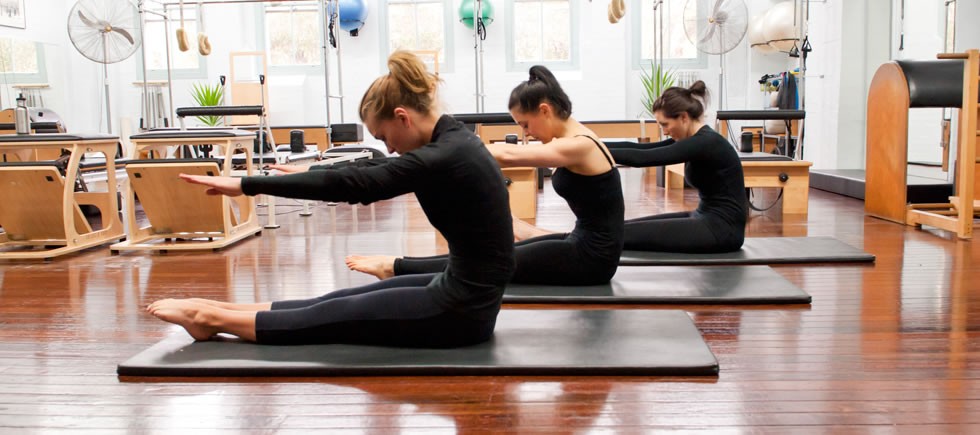
Pilates has become more than a fitness trend—it's a lifestyle and a profession for many. If you're passionate about Pilates and have felt the desire to guide others in their journey toward strength, flexibility, and body awareness, becoming a certified Pilates instructor could be a natural next step. But what does Pilates teacher training actually entail? How long does it take, what are the requirements, and what can you expect during the process?
Whether you're an experienced student or just beginning to explore the professional side of Pilates, this guide will walk you through every detail of what to expect from a Pilates teacher training program. From curriculum and time commitment to certification processes and career paths, we’ll cover everything you need to know to make an informed decision.
In large cities like New York, the demand for skilled instructors is high, and programs are often rigorous and competitive. If you're looking to become a pilates instructor nyc, understanding how teacher training programs are structured is a crucial first step toward reaching your goal.

Key Points
- Understand the prerequisites and time commitment required for Pilates teacher training.
- Learn the core components of the training curriculum, including anatomy, technique, and teaching skills.
- Explore certification requirements and how they vary by training program and certifying body.
- Discover the career opportunities and pathways after becoming a certified Pilates instructor.
Understanding Pilates Teacher Training Programs
What Is a Pilates Teacher Training Program?
A Pilates teacher training program is an in-depth educational course designed to prepare individuals to teach Pilates professionally. These programs typically cover both the theoretical and practical aspects of Pilates, including anatomy, movement principles, equipment use, and teaching methodology.
Who Should Consider Teacher Training?
While anyone with a passion for Pilates can consider teacher training, the most successful candidates usually have a solid foundation in Pilates practice. Many programs recommend at least 1–2 years of regular Pilates practice before enrolling. Some programs may require you to pass an audition or complete a certain number of private or group sessions before acceptance.
Types of Pilates Training Programs
Mat Certification
This is the most basic form of certification and typically the starting point for aspiring instructors. A mat certification focuses solely on exercises that can be done on the floor with minimal equipment. It's a shorter and more affordable entry point into teaching Pilates.
Comprehensive Certification
A comprehensive program includes training in both mat and equipment-based Pilates (such as the Reformer, Cadillac, Chair, and Barrel). These programs are more extensive and are often considered the industry standard for full-time instructors.
Bridge Programs
Bridge programs are designed for those who already have certification from one Pilates school and want to transition or add training from another school. These often require less time than a full comprehensive program.
What You'll Learn in a Pilates Teacher Training Program
1. Anatomy and Physiology
Understanding the human body is essential to teaching Pilates effectively and safely. Most programs include in-depth study of musculoskeletal anatomy, biomechanics, and foundational kinesiology concepts. Expect to learn how movements impact the body and how to identify misalignments or imbalances in students.
2. Pilates Principles and Technique
The six core Pilates principles—concentration, control, center, flow, precision, and breathing—are the foundation of all teacher training programs. You'll learn how to apply these principles across various exercises and how to teach them to clients of all levels.
3. Equipment Training
If you're in a comprehensive program, you’ll get hands-on training with equipment such as the Reformer, Cadillac, Wunda Chair, and more. You’ll learn how to configure and use the equipment safely, as well as how to teach modifications.
4. Teaching Methodology
Effective Pilates instructors are not just knowledgeable—they’re also great communicators and motivators. Training programs help you develop cueing techniques, sequencing skills, and the ability to tailor classes to different abilities and goals.
5. Observation, Practice Teaching, and Self-Practice
Most programs require a combination of observation hours (watching experienced instructors), self-practice (doing Pilates yourself), and practice teaching (leading sessions under supervision). These components reinforce your learning and build confidence.
Duration and Time Commitment
The length and schedule of a Pilates teacher training program can vary widely depending on the program type and your availability:
- Mat Certification: Usually 1–3 months on a part-time basis.
- Comprehensive Certification: Typically takes 6–18 months and includes 450–600 total hours of training, observation, and practice.
Keep in mind that many training programs offer weekend or evening formats to accommodate working professionals. However, you should be prepared for a significant time investment, especially if pursuing a comprehensive track.
Certification and Credentialing
There are several Pilates certification bodies with varied recognition and standards. Some of the most respected include:
- PMI (Pilates Method Institute)
- STOTT Pilates
- BASI Pilates
- Balanced Body
- Power Pilates
Each organization has its own curriculum, certification exam, and ongoing education requirements. After completing your training, you may need to pass a written and practical exam to become certified. Additionally, many professionals choose to take the National Pilates Certification Program (NPCP) exam, which offers a third-party credential recognized across the U.S.
Costs and Financial Considerations
Teacher training programs vary in cost depending on the program’s length, comprehensiveness, and location. Here’s a general breakdown:
- Mat Certification: $500–$1,500
- Comprehensive Certification: $4,000–$10,000
Additional costs may include textbooks, anatomy courses, practice sessions, and exam fees. Some studios offer payment plans or work-study agreements to lower upfront costs.
Post-Certification: Career Paths and Opportunities
Where Can You Teach?
Certified Pilates instructors have a wide range of career opportunities. Some common environments include:
- Pilates studios
- Fitness centers and gyms
- Physical therapy clinics
- Private homes (in-home sessions)
- Online platforms
Building a Clientele
After certification, most instructors start by teaching group classes or assisting senior instructors. Over time, you can build a private client base through referrals, networking, and consistent results. If your goal is to become a pilates instructor nyc, cultivating a niche, such as prenatal Pilates or working with seniors, can set you apart in a competitive market.
Continuing Education
Pilates is a lifelong learning journey. Many organizations require continuing education credits (CECs) to maintain certification. Workshops and advanced courses in specialty areas like rehabilitation, athletic performance, or neuromuscular integration can help you grow professionally.
Tips for Choosing the Right Program
With so many options available, choosing the right Pilates teacher training program can be overwhelming. Here are some tips to help you decide:
- Research Accreditation: Ensure the program is recognized by a reputable certifying body.
- Talk to Graduates: Ask former students about their experience and career outcomes.
- Observe a Class: Visit the studio or training center to observe how instructors teach.
- Consider Your Goals: Choose a program that aligns with your long-term aspirations, whether it's teaching full-time, part-time, or specializing in a niche area.
FAQs
How much experience do I need before enrolling in a Pilates teacher training program?
While requirements vary, most programs recommend at least 1–2 years of consistent Pilates practice. Some may require a formal assessment or audition process before enrollment.
How long does it take to become a certified Pilates instructor?
Mat certifications can be completed in a few months, while comprehensive certifications typically take 6–18 months, including training hours, observation, teaching practice, and exams.
Do I need to be flexible or have a certain body type to teach Pilates?
Absolutely not. Pilates instructors come in all shapes, sizes, and abilities. What matters most is your understanding of the method, your ability to connect with students, and your dedication to continuous learning.
Is Pilates certification recognized nationwide?
Yes, especially if you are certified through a reputable program such as Balanced Body, STOTT, or BASI. You can enhance your credentials further by passing the NPCP exam, which is a nationally recognized certification.
Can I teach Pilates online after certification?
Yes, many instructors now offer virtual classes through platforms like Zoom or proprietary studio systems. However, it's essential to ensure you’re insured and that your certification allows for this type of instruction.
What’s the earning potential for Pilates instructors?
Income varies widely based on location, experience, and whether you operate independently or work for a studio. On average, Pilates instructors in the U.S. earn between $30 and $75 per hour. In high-demand cities like New York, rates can be significantly higher.