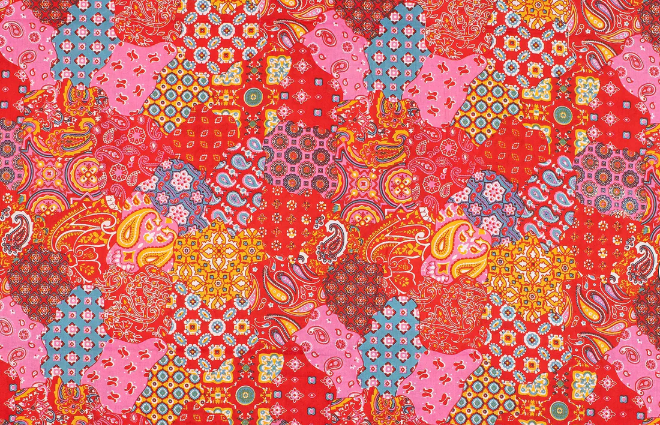
Hand block print fabric is a centuries-old technique that involves the manual stamping of intricate designs onto textiles using hand-carved wooden blocks. Each block is meticulously chiseled to create patterns, which are then dipped in natural or pigment-based dyes and pressed onto cotton, silk, or linen. This painstakingly detailed art form, primarily practiced in regions of India like Rajasthan and Gujarat, has gained global recognition for its authenticity, sustainability, and craftsmanship.
History and Origins of Hand Block Printing
The history of hand block printing can be traced back over 2,000 years. Initially developed in China and later perfected in India, it flourished under the Mughal Empire. Towns such as Bagru, Sanganer, and Jaipur became epicenters of this textile tradition. Artisans passed down their skills through generations, preserving not just a craft but a cultural legacy.
The Unique Process Behind Hand Block Printing
Each piece of hand block print fabric is the result of multiple stages:
-
Design Creation: Skilled designers sketch motifs inspired by nature, folklore, or geometric patterns.
-
Block Carving: Expert artisans carve designs onto teakwood blocks using precision tools.
-
Fabric Preparation: The fabric is washed, bleached, and stretched before printing.
-
Dyeing & Printing: Blocks are dipped into dyes and stamped by hand with meticulous alignment to ensure uniformity.
-
Drying & Fixing: Printed fabrics are dried under sunlight and treated to fix the dye permanently.

This entire process is manual, often taking days for a single piece, ensuring that no two prints are ever the same.
Types of Hand Block Prints and Regional Variations
Bagru Prints
Originating from Bagru in Rajasthan, these prints are known for mud-resist printing and use of natural dyes such as indigo, turmeric, and madder root. The earthy tones and floral motifs reflect the desert landscape.
Sanganeri Prints
A product of Sanganer near Jaipur, these prints are characterized by fine detailing, white backgrounds, and vibrant colors. Motifs like peacocks, lotus flowers, and paisleys are common.
Ajrakh Prints
A traditional form from Kutch, Gujarat, Ajrakh printing involves complex, symmetrical designs using a resist-dyeing technique. The use of indigo and deep red is prominent, and the process can include over 14 steps.
Dabu Prints
Another mud-resist technique from Rajasthan, Dabu printing uses a mix of mud, gum, and chuna (lime) to resist the dye, resulting in unique textures and deep indigo shades.
Why Hand Block Print Fabric Stands Out
Eco-Friendly and Sustainable
Most block-printed fabrics use natural dyes and organic cotton, making them environmentally responsible. The low energy consumption and minimal waste production further emphasize sustainability.
Cultural Heritage and Storytelling
Each motif tells a story — whether it’s a traditional Rajasthani tale, a Mughal garden, or cosmic geometry. By choosing hand block print fabric, we embrace a living narrative that honors its origins.
Artisanal and Ethical
Every yard supports local artisans and their families. This craft offers fair employment, preserves indigenous knowledge, and strengthens local economies.
Versatility and Timeless Appeal
Whether used for home decor, ethnic wear, scarves, or handbags, block-printed fabric adapts to multiple styles. The patterns remain classic, transcending fashion trends.
Popular Uses of Hand Block Print Fabric
Clothing and Fashion
Designers across the globe incorporate block-printed fabrics into:
-
Kurtas and sarees
-
Maxi dresses
-
Bohemian skirts
-
Men’s shirts
-
Children’s wear
The breathable, skin-friendly nature of the fabric makes it ideal for all climates.
Home Furnishings
Block print home textiles add a rustic charm and ethnic flair. Common applications include:
-
Curtains
-
Bedsheets
-
Cushion covers
-
Table runners
Accessories and Stationery
From fabric-covered journals to handbags and pouches, block-printed fabrics lend their distinctive aesthetic to lifestyle accessories.
How to Identify Authentic Hand Block Print Fabric
Irregularities Are a Mark of Authenticity
No machine can replicate the slight imperfections of hand-block printing. Slight misalignments and color overlaps are signs of true craftsmanship.
Smell and Texture of Natural Dyes
Fabrics dyed with natural materials often have a distinct earthy smell and a soft, breathable texture compared to synthetic prints.
Block Impressions
Look closely for block lines or edges — these subtle cues reveal the use of a wooden block.
Maintenance and Care Tips
To ensure longevity of your hand block print fabric:
-
Hand wash in cold water using mild detergents.
-
Avoid direct sunlight while drying to retain colors.
-
Do not bleach or wring.
-
Iron on reverse side to prevent fading.
-
Store in a dry, shaded area to avoid moisture damage.
The Global Revival of Hand Block Printing
With increasing demand for sustainable and ethical fashion, hand block print fabric has seen a resurgence in global markets. Fashion designers, interior decorators, and conscious consumers are turning to handcrafted textiles for their uniqueness and low carbon footprint.
Celebrity Endorsement and High Fashion Appeal
Top fashion houses and celebrities like Anita Dongre, Sabyasachi Mukherjee, and even international labels have showcased hand block prints on prestigious runways. The growing visibility has led to collaborations with rural artisans, bridging the gap between tradition and modernity.
Buying Guide: Where to Purchase Hand Block Print Fabric
Whether sourcing for personal projects or retail, ensure you buy from:
-
Certified artisan cooperatives
-
Fair trade boutiques
-
Online platforms promoting handmade goods
Look for certifications or details about the artisan group, dyeing process, and fabric quality before making a purchase.
Conclusion: Celebrating Craftsmanship and Sustainability
Hand block print fabric is not just a textile — it’s a living legacy, a testament to human skill, sustainability, and cultural heritage. By choosing and supporting this art form, we uphold centuries of tradition, provide dignified livelihoods, and embrace fashion that tells a story.