

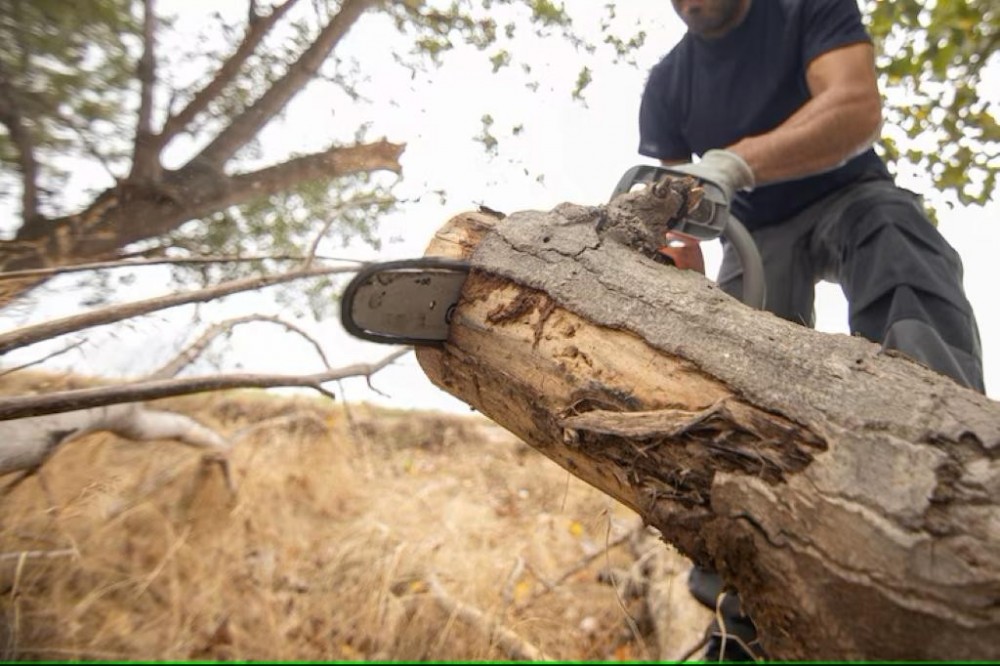
Ever look at a tree and think, “That thing needs a haircut”? You’re not wrong. Trees, just like people, benefit from a little grooming. That’s where tree pruning comes in.
Tree pruning isn’t just about appearance—it’s a key part of tree health and safety. Whether you’re dealing with overgrown branches, dead limbs, or just want to shape your tree for better growth, pruning is the way to go.
In this guide, we’ll cover everything you need to know about tree pruning, from techniques and timing to tools and benefits.

What Is Tree Pruning?
Tree pruning is the selective removal of specific branches or stems to benefit the tree as a whole. It’s done to remove dead or diseased wood, shape the tree, improve safety, and encourage healthy growth.
Think of it as giving your tree a strategic haircut—not hacking away at random limbs, but thoughtfully snipping to improve structure, health, and beauty.
Why Prune Your Trees?
1. Promote Tree Health
Removing dead, diseased, or insect-infested branches helps prevent decay and the spread of pests.
2. Improve Safety
Overgrown or weak branches can fall and cause injury or property damage—especially in storms.
3. Enhance Appearance
Pruning improves the natural shape of a tree, making it look well-maintained and beautiful.

4. Encourage Fruit and Flower Production
For fruit trees and flowering species, proper pruning leads to more blooms and better fruit.
5. Prevent Property Damage
Branches rubbing against roofs, power lines, or fences can be costly. Pruning keeps growth in check.
When Is the Best Time to Prune Trees?
Winter (Dormant Season)
Most trees should be pruned in winter when they’re dormant. It’s easier to see the structure, and the cuts heal faster in spring.
Spring and Summer
Good for light shaping or corrective pruning. Avoid heavy cuts during active growth.
Fall
Not ideal—pruning in fall can stimulate new growth too close to winter, leaving trees vulnerable to frost.
Types of Tree Pruning
1. Crown Thinning
Selective removal of branches to reduce density and allow more light and airflow. It’s like decluttering the inside of the tree.
2. Crown Raising
Removes lower branches to provide clearance for buildings, walkways, or vehicles.
3. Crown Reduction
Shortens the height or spread of a tree’s canopy. Useful when trees grow too close to power lines or structures.
4. Deadwooding
Removes dead or dying branches to improve safety and tree health.
5. Structural Pruning
Focuses on strengthening the main trunk and primary branches in young trees for better long-term growth.
How to Prune Trees: Step-by-Step
Step 1: Inspect the Tree
Look for dead, diseased, damaged, or crossing branches.
Step 2: Choose the Right Tools
You’ll need:
-
Hand pruners (for branches under ½ inch)
-
Loppers (for branches up to 2 inches)
-
Pruning saw (for larger limbs)
Step 3: Make Proper Cuts
Always cut:
-
Just above a bud or branch junction
-
At a slight angle (not flat)
-
Close enough to avoid leaving a stub, but not cutting into the main trunk
Step 4: Don’t Overdo It
Never remove more than 25% of a tree’s canopy in one year. Over-pruning can shock the tree or lead to excessive sprouting.
DIY Pruning vs. Hiring a Professional
When DIY Works
-
Small trees or shrubs
-
Basic thinning or shaping
-
If you have the tools and knowledge
When to Call a Pro
-
Large or tall trees
-
Branches near power lines or buildings
-
If the tree is diseased or structurally weak
Professionals are trained in safe climbing, proper techniques, and use of equipment like pole saws or aerial lifts.
Common Tree Pruning Mistakes
-
Topping the Tree: Cutting off the top leads to weak, ugly regrowth.
-
Cutting Too Close or Too Far: Both leave the tree vulnerable to disease.
-
Using Dull Tools: Jagged cuts don’t heal well and can attract pests.
-
Ignoring the Tree’s Natural Shape: You want to guide the tree, not fight it.
How Often Should Trees Be Pruned?
-
Young trees: Every 1–2 years to shape growth.
-
Mature trees: Every 3–5 years, or as needed.
-
Fruit trees: Annually, usually in late winter.
Timing also depends on the tree species and your local climate.
Benefits of Regular Tree Pruning
-
Longer tree lifespan
-
Fewer pest problems
-
Better curb appeal
-
Increased property value
-
Safer outdoor spaces
Regular pruning is like preventive care for your trees—and your home.
Tree Pruning Safety Tips
-
Wear gloves, safety goggles, and sturdy boots.
-
Don’t prune in wet or windy weather.
-
Use a harness if you’re climbing—never prune from a ladder.
-
Know your limits: If it’s too tall or too complex, call a pro.
Cost of Tree Pruning Services
Average Costs
-
Small trees (under 30 ft): $100–$300
-
Medium trees (30–60 ft): $250–$600
-
Large trees (60+ ft): $500–$1,200+
Factors That Affect Price
-
Tree size and type
-
Accessibility
-
Amount of work required
-
Whether debris cleanup is included
Tools Every Homeowner Needs for Pruning
-
Hand pruners: For snipping small branches
-
Bypass loppers: For thick stems
-
Pole saw: To reach higher branches
-
Pruning saw: For rough or thick limbs
-
Disinfectant spray: To clean tools between cuts (especially for disease prevention)
Final Thoughts
Tree pruning is more than a weekend chore—it’s an essential part of good tree care. Done right, it keeps your trees healthy, your yard safe, and your property looking sharp. Whether you're shaping a young tree, cleaning up a mature one, or trying to prevent future damage, regular pruning pays off in the long run.
And remember: if in doubt, call in the experts. A properly pruned tree is a happy tree.
FAQs
1. Can pruning kill a tree?
Yes, if done improperly—especially by over-pruning or cutting into the trunk.
2. Is it okay to prune in summer?
Light pruning is fine, but avoid heavy cuts. It’s best done in late winter or early spring.
3. How do I know if a branch is dead?
Dead branches snap easily and have no green tissue inside. They also lack buds and leaves during the growing season.
4. Should I seal pruning cuts?
Nope. Most modern arborists recommend leaving cuts open to heal naturally.
5. Do all trees need to be pruned?
Not all—but most benefit from occasional shaping, especially in urban or landscaped environments.





