
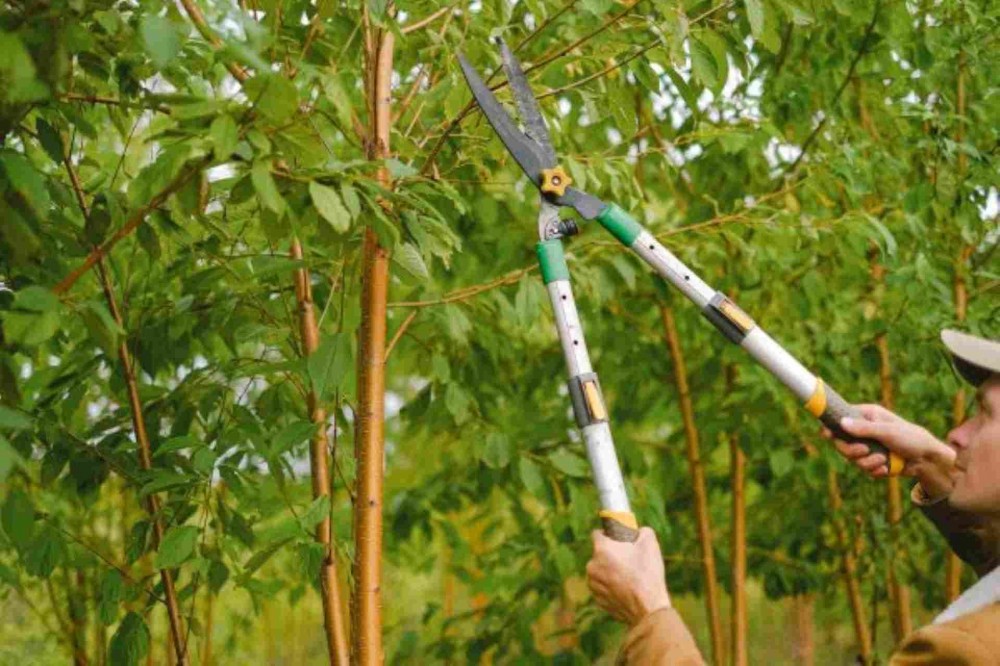
Ever look at a wild, overgrown tree and think, "That could use a little cleanup"? That’s exactly what tree pruning is for. It’s not just about making your yard look tidy—proper pruning keeps trees healthy, strong, and safe. Whether you’re a weekend gardener or managing a whole landscape, learning the right way to prune is key to long-term tree care.
What Is Tree Pruning?
Definition and purpose
Tree pruning is the process of selectively removing certain branches to improve the tree's health, appearance, and safety. It’s more than cutting—it’s a strategy that benefits both you and the tree.
When is the best time to prune?
Most pruning is done in late winter or early spring before new growth starts. But different trees have different needs, and some are best pruned in summer or after flowering.

Benefits of Tree Pruning
Improves tree health
Removing dead or diseased limbs helps prevent decay and pest infestations.
Enhances curb appeal
A well-shaped tree adds value and beauty to your property.
Promotes better growth
Strategic pruning encourages strong branch structure and healthy growth.
Increases safety
Weak or overhanging limbs can be dangerous—especially during storms. Pruning reduces this risk.
Types of Tree Pruning
Crown thinning
This involves selectively removing branches to reduce density. It improves air circulation and light penetration.

Crown raising
Removing lower limbs to clear space for pedestrians, vehicles, or views.
Crown reduction
Reducing the size of a tree’s canopy while maintaining its natural shape. Ideal for trees growing too close to structures.
Deadwooding
Removing dead, dying, or diseased branches to protect the tree and those below it.
Pollarding
A more aggressive pruning style where upper branches are cut back to promote dense growth. Often used in urban landscaping.
When to Prune Different Tree Species
Deciduous trees
Best pruned in late winter while dormant.
Evergreen trees
Minimal pruning is needed—just remove dead or damaged limbs. Late winter or early spring is ideal.
Flowering trees
Timing depends on when they bloom. Spring bloomers should be pruned after flowering; summer bloomers in winter or early spring.
Signs Your Tree Needs Pruning
-
Branches are dead, cracked, or hanging
-
Tree looks unbalanced or overly thick
-
Limbs are near your roof, power lines, or blocking views
-
Signs of disease like fungus, rot, or oozing sap
Tree Pruning Tools and Equipment
Hand pruners and loppers
For small to medium branches.
Pole saws
Great for high branches without needing a ladder.
Chainsaws
Used for thick limbs—but only if you're experienced.
Safety gear
Always wear gloves, eye protection, and a helmet when needed.
Step-by-Step Guide to Pruning a Tree
-
Inspect the tree for dead, crowded, or dangerous branches.
-
Plan your cuts to avoid damage and improve balance.
-
Make clean cuts just outside the branch collar (the swollen area at the base).
-
Dispose of debris by chipping, composting, or green waste pickup.
Common Pruning Mistakes to Avoid
Over-pruning
Taking off too much at once weakens the tree.
Topping trees
Never cut off the top of a tree—it stresses the tree and leads to poor regrowth.
Cutting too close to the trunk
Avoid flush cuts; always leave the branch collar intact for better healing.
DIY vs. Hiring a Professional Arborist
Risks of DIY
Without the right knowledge and tools, you can injure yourself or harm the tree.
When to call a pro
Hire an arborist if:
-
Branches are near power lines
-
Tree is very tall
-
You’re not sure what to cut
Tree Pruning Safety Tips
-
Use ladders carefully—always have someone hold it
-
Watch out for falling branches
-
Wear gloves, goggles, and helmets
-
Never prune near power lines yourself
How Pruning Affects Tree Growth
Strategic pruning encourages:
-
Better air flow
-
Stronger limbs
-
Healthier structure
-
New flowering or fruiting
Think of it like giving your tree a fresh haircut—it grows back stronger and more stylish.
Tree Pruning and Local Regulations
Many cities and HOAs have rules about tree pruning, especially for large or historic trees. Some even require permits. Always check before you start cutting.
Eco-Friendly Disposal of Pruned Branches
-
Mulching: Shred branches to make mulch for your garden.
-
Composting: Great for leaves and small twigs.
-
Green waste pickup: Contact your city’s waste department for collection schedules.
Conclusion
Tree pruning is both an art and a science. Done right, it leads to healthier trees, safer properties, and more beautiful landscapes. Whether you’re trimming a backyard maple or managing a large oak, knowing when and how to prune makes all the difference. When in doubt—call the pros and let your trees thrive.
FAQs
Q1: How often should I prune my trees?
Once every 1–3 years, depending on the species and growth rate.
Q2: Can pruning kill a tree?
Only if done improperly. Avoid over-pruning and never remove more than 25% of a tree’s canopy.
Q3: Is pruning in summer okay?
Yes, especially for light shaping or removing dead branches. Avoid heavy cuts in extreme heat.
Q4: What trees should not be pruned in winter?
Spring-blooming trees like dogwoods or cherries—prune them after flowering.
Q5: Do trees feel pain when pruned?
Trees don’t feel pain like humans, but pruning does stress them. That’s why proper technique is essential.





