

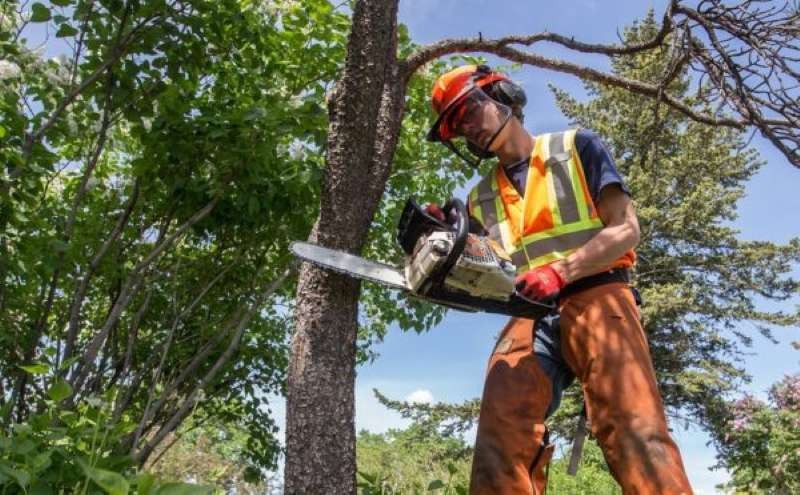
Tree pruning isn’t just about snipping off a few limbs here and there—it’s an art and science that plays a major role in the health, appearance, and safety of your landscape. Whether you're maintaining a small backyard tree or a towering oak, pruning helps trees thrive.
The Benefits of Pruning Trees
Encourages Healthy Growth
Pruning removes dead, diseased, or crowded branches. This allows sunlight and air to reach the tree’s core, promoting robust and balanced growth.
Improves Tree Structure
Correct pruning reduces the risk of weak branches and poor structure, especially in younger trees. This helps prevent problems down the road.

Enhances Appearance
A well-pruned tree just looks better. It can transform your yard from wild and overgrown to clean and beautiful.
Prevents Disease and Pests
Removing infected branches or thinning dense areas helps stop the spread of disease and discourages insect infestations.
Increases Safety
Pruning reduces the risk of falling branches, especially during storms or windy days. It also keeps limbs clear from power lines and walkways.
Common Types of Tree Pruning
Crown Cleaning
This involves removing dead, dying, or diseased branches from the tree’s crown to keep it healthy and tidy.
Crown Thinning
Selective removal of branches to improve light penetration and airflow—especially useful for dense trees.

Crown Raising
Removing lower branches to elevate the canopy. It’s great for improving clearance over sidewalks and driveways.
Crown Reduction
Shortens the overall size of the tree while maintaining its natural shape. This is ideal when trees grow too close to structures.
Deadwooding
As the name suggests, this means cutting out dead limbs to prevent them from falling and to improve the tree’s appearance.
When Is the Best Time to Prune Trees?
Seasonal Pruning Guide
-
Winter (Dormant season): Ideal for most trees. It promotes vigorous spring growth.
-
Spring/Summer: Good for light shaping or after flowering.
-
Fall: Generally not recommended due to increased risk of disease.
Dormant vs. Active Pruning
Dormant pruning causes less stress and makes it easier to see a tree’s structure.
Weather Considerations
Avoid pruning in extreme heat or freezing conditions to prevent stress and injury to the tree.
Tools Needed for Tree Pruning
-
Pruning Shears: For small twigs and light branches.
-
Loppers: Handle thicker branches (up to 2 inches).
-
Pruning Saws: For heavy-duty cuts.
-
Pole Pruners: Reach high limbs safely.
-
Safety Gear: Gloves, goggles, helmet—don’t skip it.
How to Prune a Tree Properly
Identifying Branches to Cut
Focus on removing dead, crossing, or weak branches first. Then thin crowded areas.
Making the Right Cut
Cut just outside the branch collar (the swollen area where the branch meets the trunk). This helps the tree heal properly.
Avoiding Damage to the Tree
Never top a tree. And don’t leave long stubs—they attract pests and disease.
DIY Tree Pruning vs. Hiring a Pro
When to Do It Yourself
If you’re dealing with small trees or low branches and you have the right tools, go for it.
When to Call an Arborist
Call a pro for large trees, near power lines, or if you're unsure how to prune safely.
Cost Comparison
DIY may save money, but professionals bring experience, safety equipment, and peace of mind.
Common Pruning Mistakes to Avoid
-
Cutting too much at once
-
Using dull tools
-
Leaving torn bark or ragged cuts
-
Ignoring the branch collar
-
Topping the tree
Pruning Young Trees vs. Mature Trees
Shaping Young Trees
Early pruning shapes the tree’s structure and reduces the need for major corrections later.
Structural Pruning for Mature Trees
Focus on maintaining balance, removing hazards, and promoting longevity.
Pruning Flowering Trees
Timing Based on Bloom
-
Spring bloomers: Prune right after flowering.
-
Summer bloomers: Prune in late winter or early spring.
Techniques for Encouraging Blooms
Remove dead blooms, trim back branches, and avoid over-pruning.
Tree Species and Their Pruning Needs
-
Deciduous Trees: Require annual pruning for shape and health.
-
Evergreens: Typically need less pruning—focus on removing damaged limbs.
-
Popular species: Oaks, maples, and fruit trees all have specific timing and techniques.
How Pruning Promotes Tree Longevity
Proper pruning reduces stress, prevents disease, and promotes stronger structure—all adding years to a tree’s life.
Safety Tips During Pruning
-
Wear protective gear
-
Use proper ladders or lifts
-
Avoid power lines
-
Never prune alone if using power tools or climbing
Environmental and Aesthetic Benefits
Pruning boosts the beauty of your landscape and improves air quality, soil health, and wildlife habitats.
Conclusion
Tree pruning isn’t just a chore—it’s a commitment to the long-term health and beauty of your landscape. Whether you're snipping a few twigs or reshaping a full-grown tree, doing it right makes all the difference. With the right knowledge and care, you’ll help your trees thrive for generations to come.
FAQs
Q1: Can pruning kill a tree?
Yes—if overdone or done incorrectly. Always follow best practices or consult an arborist.
Q2: How often should trees be pruned?
Generally, every 1–3 years depending on the species and age of the tree.
Q3: Is there a wrong way to prune?
Absolutely. Topping, cutting too close, or using dull tools can harm or kill your tree.
Q4: What’s the difference between pruning and trimming?
Pruning is for tree health and structure; trimming is usually for aesthetics and shaping shrubs.
Q5: Should I seal tree wounds after pruning?
No. Trees naturally heal. Sealing can actually trap moisture and promote disease.





