

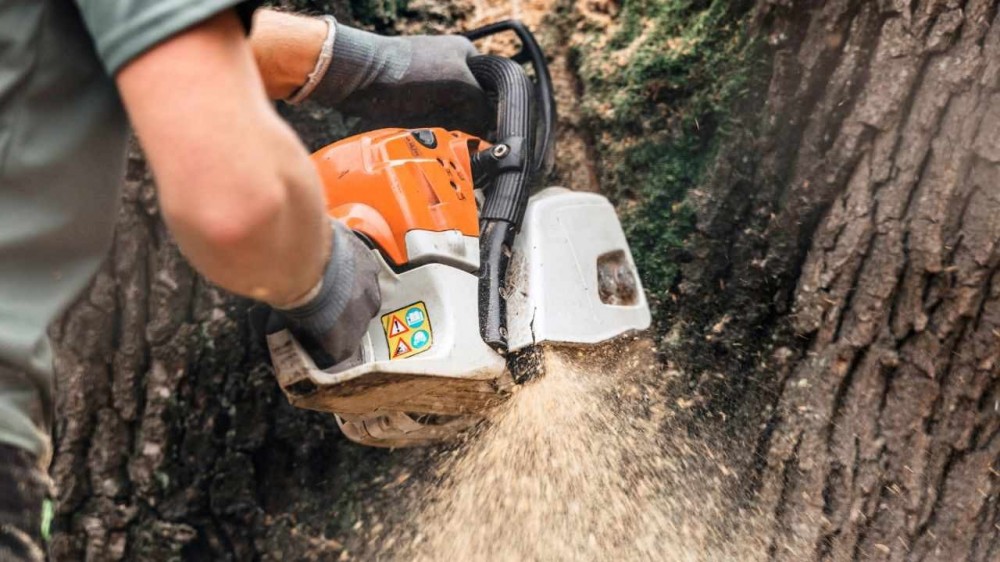
Tree pruning is the practice of selectively removing specific branches or parts of a tree to improve its health, shape, safety, and appearance. It's like giving your tree a regular haircut—keeping it neat, growing strong, and looking great year-round.
🌿 Why Tree Pruning is So Important
Pruning does more than just improve how your tree looks. It:
-
Promotes healthy growth

-
Prevents the spread of diseases
-
Reduces safety hazards from falling limbs
-
Enhances sunlight and air circulation
-
Improves fruit and flower production in certain species
Think of pruning as preventive maintenance that extends your tree’s life and boosts your landscape’s beauty.

🕰️ Best Time to Prune Trees
The right time depends on the tree species, but here’s a general guide:
1. Winter (Dormant Season)
-
Best time for most trees
-
Promotes spring growth
-
Easier to see structure without leaves
2. Early Spring
-
Ideal for pruning flowering trees after they bloom
3. Summer
-
Useful for correcting growth or removing damaged limbs
4. Fall
-
Not ideal—fresh cuts can leave trees vulnerable to disease
✂️ Types of Tree Pruning
Not all pruning is the same. Each type serves a specific purpose:
1. Crown Thinning
-
Removes excess branches from the tree’s canopy
-
Improves air flow and light penetration
2. Crown Raising
-
Lifts lower limbs to clear sidewalks, roads, or views
3. Crown Reduction
-
Shortens the height or spread of a tree
-
Ideal for preventing interference with power lines
4. Deadwooding
-
Removes dead, dying, or diseased limbs
-
Reduces the risk of falling branches
5. Structural Pruning
-
Shapes young trees for a stronger long-term structure
🛑 Common Tree Pruning Mistakes to Avoid
1. Topping
Cutting off the top of the tree damages structure and invites disease.
2. Over-pruning
Removing too much at once weakens the tree.
3. Wrong cuts
Cutting too close or too far from the branch collar can lead to decay.
4. Using dirty or dull tools
Always use clean, sharp tools to avoid spreading infections.
🧰 Tools Needed for Tree Pruning
-
Hand pruners: For small branches
-
Loppers: For medium-sized limbs
-
Pole pruners: For high branches
-
Pruning saw: For larger limbs
-
Chainsaw (if trained): For big or dangerous limbs
Tip: Always wear gloves, eye protection, and a helmet when working with trees.
🌳 DIY or Hire a Professional?
When You Can Do It Yourself
-
Tree is small and accessible
-
You’re removing only light, low limbs
-
You know the basics of proper pruning techniques
When to Call a Pro
-
Tree is tall or near power lines
-
Large, heavy branches need removal
-
Signs of disease, pests, or internal decay
-
You want long-term structural shaping
Certified arborists can assess your tree’s needs and prune safely.
🧾 Cost of Tree Pruning
Factors That Affect Price:
-
Tree size and species
-
Number of trees
-
Accessibility
-
Type of pruning needed
Average Price Range:
-
Small trees: $100–$300
-
Medium trees: $250–$500
-
Large trees: $500–$1,200+
Always get multiple quotes and confirm if cleanup is included.
💡 Benefits of Regular Tree Pruning
-
Keeps trees structurally sound
-
Prevents branches from damaging roofs, windows, and cars
-
Improves curb appeal and home value
-
Encourages healthy blooms and fruit
-
Reduces risk of insect infestations or rot
🧠 Tree Pruning Tips for Homeowners
-
Never prune more than 25% of a tree’s canopy at once
-
Make cuts just outside the branch collar (the swollen area at the base of a branch)
-
Sterilize your tools between trees
-
Avoid pruning during extremely hot or cold weather
-
Monitor for signs of stress or disease afterward
🏡 Tree Pruning by Species
Fruit Trees
-
Prune annually in late winter
-
Encourages better fruit production
Evergreens
-
Rarely need pruning
-
Light shaping in spring if needed
Flowering Trees
-
Prune after flowering to avoid cutting off next year’s blooms
Hardwoods (e.g., oak, maple)
-
Best pruned when dormant to prevent sap bleeding and disease
🌍 Eco-Friendly Tree Pruning Practices
-
Compost pruned limbs and leaves
-
Avoid pruning during bird nesting season
-
Reuse larger limbs for firewood or garden structures
-
Don’t over-prune—less is often more for the environment
🔍 How to Choose a Tree Pruning Service
-
Look for ISA-certified arborists
-
Check reviews and referrals
-
Confirm insurance and licensing
-
Ask if they follow ANSI A300 pruning standards
-
Get a written quote with full service details
🧾 Final Thoughts
Tree pruning is both an art and a science. Done right, it keeps your trees healthy, safe, and attractive for years to come. Whether you’re enhancing your yard’s beauty or removing risky limbs before a storm, proper pruning makes all the difference.
If you’re unsure how to prune—or if your trees are large or hard to access—don’t hesitate to call in the pros. It’s an investment in the life and longevity of your landscape.
❓ FAQs About Tree Pruning
1. How often should I prune my trees?
Most trees benefit from pruning every 1–3 years, depending on growth and type.
2. Is pruning different from trimming?
Yes. Pruning is usually for health and structure; trimming is for shaping and aesthetics.
3. Will pruning hurt my tree?
Not if done correctly. Over-pruning or bad cuts can damage the tree, but strategic pruning promotes health.
4. Can I prune a tree in the summer?
Light pruning is fine, but avoid heavy cuts unless it's an emergency or for safety.
5. Do young trees need pruning?
Yes! Structural pruning early on helps them grow strong and balanced, reducing issues later.





