
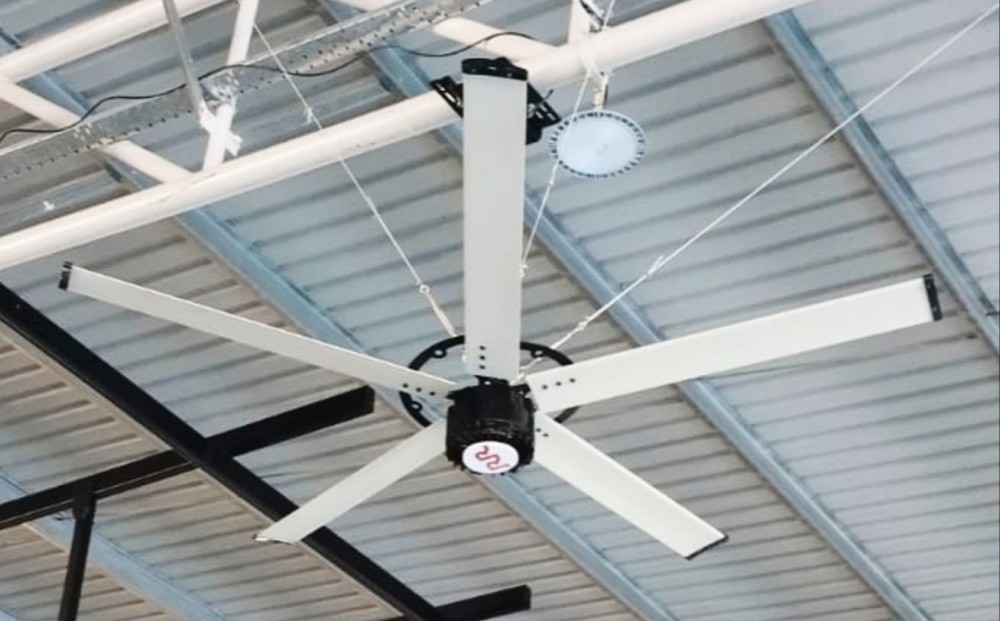
High Volume Low Speed (HVLS) industrial fans are a smart solution for managing air circulation in large buildings like warehouses, manufacturing plants, gyms, and agricultural facilities. These fans move massive volumes of air with minimal energy consumption, making them a key component of energy-efficient and comfortable environments. However, choosing the right HVLS fan requires more than just picking the biggest model available. Here’s a comprehensive guide on how to choose the best HVLS industrial fans for your building.
1. Assess the Size and Layout of Your Space
The first step in selecting an HVLS fan is understanding your building’s dimensions and airflow needs:
-
Ceiling height: HVLS fans perform best in spaces with ceilings 12 feet or higher.
-
Square footage: Measure the floor area to determine the number and size of fans required.
-
Obstructions: Consider columns, mezzanines, racking, and other structures that may obstruct airflow.
Larger buildings may benefit from multiple fans strategically placed to ensure consistent air distribution throughout the space.
2. Choose the Right Fan Diameter
HVLS fans come in a range of sizes, usually between 8 and 24 feet in diameter. Bigger isn't always better—choose the size based on:
-
Coverage area per fan: A 20-foot fan can cover up to 20,000 sq. ft., but optimal performance depends on the layout.

-
Ceiling height and mounting location: Ensure the fan has enough clearance from the ceiling and floor, typically 10–15 feet below the blades.
-
Purpose: For spot cooling in small zones, smaller fans may be more effective.
3. Select the Motor Type
Motor type significantly impacts energy efficiency, maintenance, and noise levels:
-
Gearless direct-drive motors: Quieter, more efficient, and require less maintenance than traditional geared motors.
-
EC (electronically commutated) motors: Offer precise control and lower operating costs.
-
Permanent magnet motors: High-performance and ideal for facilities with variable-speed requirements.
Choose a motor that aligns with your facility’s energy efficiency goals and usage needs.
4. Consider the Climate and Seasonality
In Canada, for instance, HVLS fans are used for both cooling in summer and destratification in winter, where warm air is pushed down from the ceiling to reduce heating costs. In humid regions, fans help with:
-
Moisture control
-
Preventing mold growth
-
Enhancing comfort without overusing HVAC systems
Make sure your chosen fan supports reversible operation for year-round use.
5. Look for Energy Efficiency and Control Features
Modern HVLS fans offer features that optimize energy use:
-
Variable speed control: Adjust airflow based on temperature or activity level.
-
Smart controls: Integrate with your building management system (BMS) for automation.
-
Timer and motion sensors: Ensure fans only run when needed, reducing unnecessary energy consumption.
Check for Energy Star ratings and compliance with local energy efficiency regulations.
6. Durability and Material Considerations
Industrial environments can be demanding. Choose fans that can withstand:
-
Dust and debris in manufacturing settings
-
Corrosive environments like greenhouses or chemical plants
-
Moisture and temperature changes in warehouses or barns
Look for:
-
Anodized aluminum blades or powder-coated finishes
-
Sealed motors with high IP (Ingress Protection) ratings
-
CSA or cUL certifications for Canadian facilities
7. Ease of Installation and Maintenance
Before purchasing, evaluate:
-
Mounting hardware compatibility with your ceiling structure
-
Installation support and service availability
-
Maintenance access and part replacement options
Many modern HVLS fans are maintenance-free, especially those with gearless motors, saving costs over time.
8. Vendor Reputation and Warranty
Choose a reputable manufacturer with:
-
Proven track record in industrial applications
-
Technical support and service network in your region
-
Comprehensive warranty—ideally 5–15 years for motors and parts
Also, ask for case studies or testimonials from similar facilities.
Final Thoughts
Selecting the best HVLS industrial fan involves balancing size, performance, climate compatibility, and operational efficiency. Whether you’re looking to cool a large warehouse in Ontario, improve airflow in a B.C. agricultural facility, or reduce heating bills in a Quebec distribution center, the right fan can make a measurable difference.
Investing in a well-chosen HVLS fan boosts employee comfort, extends equipment life, reduces energy costs, and contributes to sustainable building goals. Take the time to assess your space and consult with HVAC professionals to ensure the perfect fit for your facility.





