

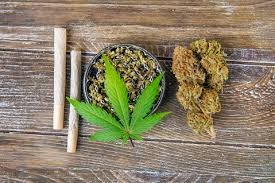
In recent years, Virginia has emerged as one of the leading states actively supporting the use of cannabis for medical purposes. This change is driven by growing scientific evidence, public demand for alternative treatments, and evolving state legislation aimed at ensuring safer, more effective healthcare for residents. From chronic pain management to treating epilepsy, cannabis has become a viable option for Virginians seeking relief through non-traditional therapies. Access to these treatments is streamlined by the state's medical cannabis program, which allows qualified individuals to apply for a medical marijuanas card va, granting them legal access to a wide range of cannabis-based products under the supervision of licensed professionals.
Key Points
- Virginia recognizes the therapeutic potential of cannabis for a variety of medical conditions.
- The state has established comprehensive laws to regulate medical cannabis usage and distribution.
- Patients can access treatment through a state-approved medical marijuana program.
- Ongoing research and increasing public support continue to influence policy developments.
- Cannabis treatment offers alternative solutions for patients unresponsive to conventional medications.
Understanding Virginia’s Medical Cannabis Legal Framework
Legislative Milestones
Virginia's journey toward cannabis legalization began with incremental reforms. In 2015, the state passed legislation allowing patients with intractable epilepsy to use cannabidiol (CBD) and THC-A oil. Over time, the scope of qualifying conditions expanded, culminating in the 2020 legislation that legalized the production and sale of medical cannabis products. The state continues to update its policies to reflect new research findings and public sentiment.
Current Legal Status
As of now, Virginia permits the medical use of cannabis for any diagnosed condition where a practitioner believes it would benefit the patient. This broad framework gives healthcare providers considerable discretion, empowering them to prescribe cannabis based on medical necessity rather than a fixed list of conditions. Dispensaries are regulated by the Virginia Board of Pharmacy, ensuring that all products meet safety and quality standards.
How Virginia Residents Access Cannabis Treatment
Qualifying for Medical Cannabis
Patients must receive a written certification from a licensed practitioner to qualify for medical cannabis use. The practitioner must be registered with the Virginia Board of Pharmacy. Once certified, individuals can apply for a state-issued medical marijuana card.
The Application Process
The process to obtain a medical marijuanas card va is straightforward. After receiving certification, patients submit an online application through the Virginia Department of Health Professions. Required documentation includes proof of residency, valid identification, and the practitioner's certification. Once approved, the card allows access to licensed dispensaries across the state.
Where to Obtain Medical Cannabis
Virginia is divided into specific health service areas, each served by a licensed pharmaceutical processor. These processors operate dispensaries that sell cannabis oils, edibles, tinctures, topicals, and more. All products undergo rigorous testing to ensure they meet safety and efficacy standards.
Conditions Commonly Treated with Medical Cannabis
Chronic Pain
Chronic pain remains one of the most cited reasons for seeking medical cannabis treatment. Studies show cannabinoids can interact with the body’s endocannabinoid system to reduce inflammation and modulate pain signals. Many patients in Virginia use cannabis as an alternative to potentially addictive opioids.
Epilepsy and Seizure Disorders
CBD has shown promise in reducing the frequency and severity of seizures, particularly in treatment-resistant epilepsy. Virginia’s early adoption of CBD oil for epilepsy paved the way for broader medical cannabis use.

PTSD and Anxiety Disorders
Veterans and other individuals suffering from PTSD have reported symptom improvement with cannabis use. Specific strains low in THC and high in CBD have been known to produce calming effects without psychoactive intoxication.
Cancer-related Symptoms
Cannabis can help manage symptoms such as nausea, loss of appetite, and pain associated with cancer and chemotherapy. For some patients, it enhances quality of life during and after treatment.
The Science Behind Cannabis as Medicine
How Cannabinoids Work
Cannabinoids, such as THC and CBD, interact with the endocannabinoid system (ECS) in the human body. The ECS plays a role in regulating mood, immune response, pain perception, and sleep. THC binds to CB1 receptors in the brain, producing psychoactive effects, while CBD influences CB2 receptors, offering anti-inflammatory and neuroprotective benefits without a high.
Ongoing Research and Findings
While more studies are needed, existing research supports the efficacy of cannabis in treating conditions like multiple sclerosis, neuropathic pain, insomnia, and more. Virginia’s support for cannabis treatment is bolstered by a data-driven approach that includes monitoring patient outcomes and encouraging clinical studies.
Public Health and Safety Measures
Regulated Access
By restricting cannabis distribution through licensed dispensaries, Virginia ensures that products are safe, clearly labeled, and free from contaminants. Patients receive guidance on dosage, strain selection, and potential interactions with other medications.
Education for Providers and Patients
The Virginia Department of Health has developed resources to inform both medical professionals and the public. Training programs cover the pharmacology of cannabis, legal responsibilities, and clinical considerations, promoting responsible usage and minimizing risks.
Economic and Social Impacts
Job Creation
The legalization of medical cannabis has led to the opening of cultivation facilities, laboratories, and dispensaries, creating high-quality jobs in various sectors. The industry continues to grow, with projections indicating significant economic contributions in the coming years.
Reducing Burden on Healthcare
For some patients, cannabis reduces reliance on emergency care or expensive pharmaceuticals. This shift could lead to long-term cost savings for both individuals and public health systems.
Addressing Opioid Dependency
States with medical cannabis programs have seen reductions in opioid prescriptions and overdose deaths. Virginia hopes to echo these outcomes by offering cannabis as an alternative or adjunct to opioids for pain management.
Challenges and Opportunities
Federal Classification
Despite state-level legalization, cannabis remains classified as a Schedule I substance federally, which poses challenges for research and banking. Virginia continues to work within these constraints while advocating for federal reform.
Equity and Accessibility
Ensuring that all Virginians, regardless of income or geography, have access to medical cannabis remains a key focus. Initiatives to reduce costs, expand dispensary locations, and support minority-owned businesses are underway.
FAQ: Virginia and Medical Cannabis Treatment
Who can qualify for medical cannabis in Virginia?
Any Virginia resident with a condition that a registered practitioner believes can benefit from cannabis treatment may qualify. There is no fixed list of qualifying conditions.
How do I get certified?
You must consult a licensed practitioner registered with the Virginia Board of Pharmacy. If they determine cannabis is appropriate for your condition, they will provide a written certification.
Do I need a medical marijuana card?
While the certification is the primary legal requirement, obtaining a medical marijuanas card va simplifies access and ensures seamless interaction with dispensaries and law enforcement.
Where can I legally obtain medical cannabis?
You can purchase cannabis products from state-licensed dispensaries, also known as pharmaceutical processors, located throughout Virginia.
Can I grow my own cannabis?
As of current regulations, home cultivation for medical use is not permitted in Virginia. All medical cannabis must be obtained through licensed dispensaries.
Is recreational cannabis legal in Virginia?
Possession of small amounts of cannabis for personal use is legal, but recreational sales remain prohibited as of now. The focus of this article is on medically authorized use.
Are there risks associated with medical cannabis?
As with any medication, cannabis use carries potential risks, including impaired cognition, dependency, or interactions with other drugs. Consultation with a healthcare provider is essential.
Will medical cannabis treatment be covered by insurance?
Most insurance plans do not currently cover cannabis-related costs due to its federal status. However, patients may apply for financial assistance through certain dispensary programs.
Can minors access medical cannabis?
Yes, but only under strict guidelines. A parent or legal guardian must act as the registered agent and caregiver, and the treatment must be medically justified by a certified practitioner.
How frequently must I renew my certification?
Certifications are valid for one year and must be renewed annually through re-evaluation by a registered provider.





