

A Shift in How Offices Operate
The traditional idea of an office has undergone a dramatic transformation. No longer confined to rigid desk arrangements and fixed leases, businesses are now exploring more fluid and adaptive workspaces. This shift is being driven by evolving employee expectations, cost-efficiency needs, and the global adoption of hybrid work models. Flexible workspace solutions have emerged as the preferred alternative, offering agility and modern infrastructure to growing organizations.
Managed workspaces allow companies to move in with minimal setup time and zero capital expenditure, while enjoying amenities and operational support. For both startups and established enterprises, this model makes strategic sense in uncertain economic conditions where long-term commitments are no longer practical.

India's Urban Growth and the Role of Workspaces
As India’s metropolitan cities continue to expand, the demand for agile office spaces has surged. The younger workforce, combined with the rise of digital-first businesses, has contributed significantly to this demand. These employees seek office environments that are collaborative, tech-enabled, and aesthetically pleasing—something that traditional real estate models have often failed to deliver.
The rise of flexible workspace operators is filling this gap efficiently. These providers are not just renting out desks; they are curating work experiences, complete with wellness zones, on-demand meeting rooms, concierge services, and even community engagement programs. These elements add tremendous value to the employee experience and improve retention.
Driving Forces Behind the Growth
A key factor contributing to the rise of flexible office spaces is the shift in how businesses calculate productivity and success. Instead of investing in sprawling corporate offices, companies are now focusing on agility, convenience, and minimalism. Managed office solutions provide precisely this combination—without long-term leases or operational burdens.
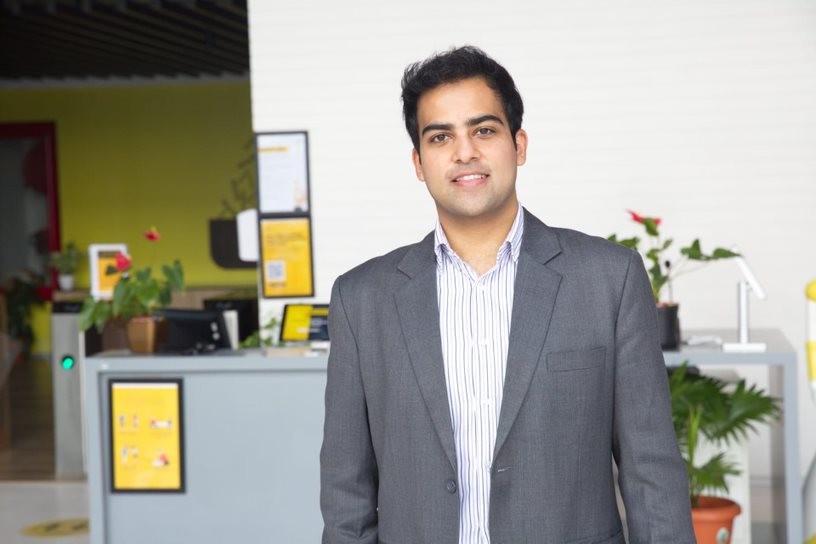
A prominent figure in this transformation is Neetish Sarda, who has been instrumental in promoting this new workplace model across India. By understanding the nuanced needs of Indian businesses and aligning them with global standards, he has helped create scalable, tech-friendly spaces that empower productivity while keeping costs under control.
Technology and Customization as Catalysts
Today’s flexible offices are powered by advanced technology. From biometric access to app-based room bookings, the entire workspace experience is designed for ease. These smart features not only enhance day-to-day efficiency but also offer data-driven insights that companies can use to optimize space utilization and employee engagement.

Leaders like Neetish Sarda have emphasized the importance of integrating such technology into workspace design from the very beginning. This foresight ensures that tenants are not just using a space—they are part of a continually improving ecosystem tailored to their needs.
The Future Outlook
As we look to the future, flexible workspaces are expected to evolve further. Sustainability, wellness, and digital infrastructure will play a larger role in shaping office environments. Businesses will seek out partners who can offer both flexibility and quality, as they adapt to rapidly changing markets and workforce dynamics.
With innovation-driven leadership and a user-centric approach, companies that provide managed office spaces are poised to become a fundamental part of India’s commercial real estate sector. Through the efforts of visionaries such as Neetish Sarda, the flexible workspace model is not just a trend—it’s the foundation for how India will work in the decades ahead.





