Introduction
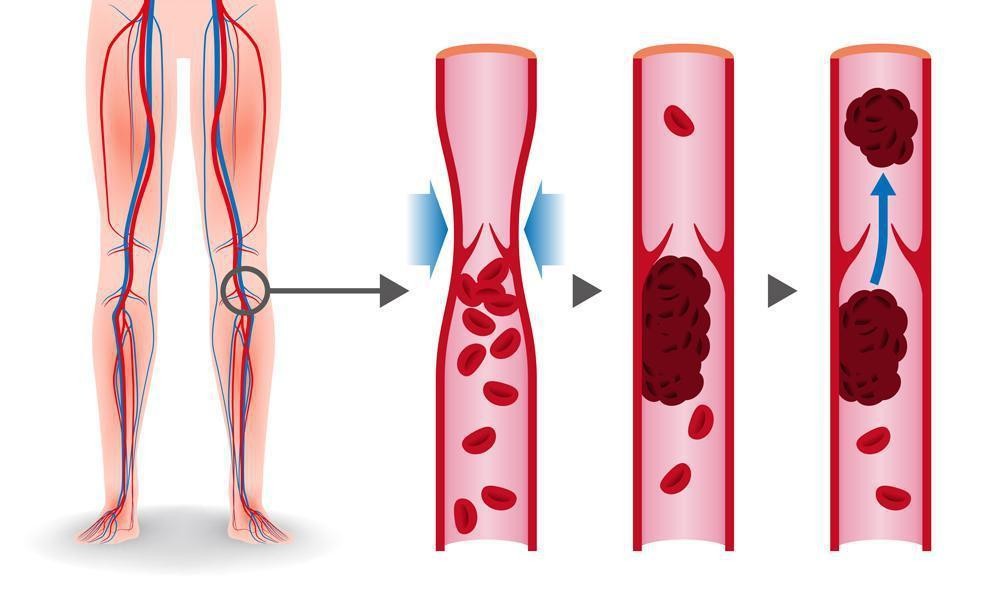
Have you ever felt unexplained pain or swelling in your leg and brushed it off as muscle strain or fatigue? It might be something more serious. These could be DVT symptoms — early warning signs of Deep Vein Thrombosis, a condition where blood clots form in the deep veins, usually in the legs. Ignoring these signs can lead to serious complications, including a life-threatening pulmonary embolism. That’s why understanding “Is It DVT? Recognizing the Symptoms Before It’s Too Late” is essential for your health and safety.
In this comprehensive guide, we’ll explore the most common DVT symptoms, what causes them, how to spot them early, and when to seek medical help. If you or someone close to you is at risk, this could be life-saving information.
Why Early Detection of DVT Matters
The problem with DVT is that it often develops quietly. Some people feel nothing more than minor discomfort. Others mistake the symptoms for a pulled muscle or fatigue. But the consequences of ignoring early symptoms can be severe:

-
Permanent vein damage (post-thrombotic syndrome)
-
Blood clot traveling to the lungs (pulmonary embolism)
-
Recurrent clots, requiring lifelong medication
-
In rare cases, death
With timely attention and treatment, these risks can be significantly reduced. That’s why this guide aims to help you recognize symptoms and act fast.

Is It DVT? Recognizing the Symptoms Before It’s Too Late
1. Swelling in One Leg
Swelling is the most common and visible symptom of DVT. It typically affects only one leg and may start suddenly or develop gradually.
What to Look For:
-
Puffiness around the ankle, calf, or thigh
-
One leg noticeably larger than the other
-
Swelling that worsens after sitting or standing for a long time
Don’t brush it off as just water retention. If the swelling feels unusual, consult a doctor.
2. Leg Pain or Cramping
DVT-related pain can range from mild to severe. Many people describe it as a pulling sensation, deep ache, or cramping, often in the calf.
What to Look For:
-
Pain while walking, especially in the calf
-
Throbbing or tenderness that gets worse with time
-
Discomfort that improves when you elevate the leg
Unlike a typical muscle strain, DVT pain usually doesn't go away with rest or stretching.
3. Skin Color Changes
Blood clots can restrict circulation, causing color changes in your skin.
What to Look For:
-
Red or purplish-blue tint over the affected area
-
Shiny or tight-looking skin
-
Skin that appears pale or cool to the touch
These changes can be subtle, but if combined with swelling or pain, they are worth a closer look.
4. Warmth and Tenderness
Increased warmth over a swollen or painful area is another red flag.
What to Look For:
-
The leg feels warm in a specific spot
-
Tender to touch even without visible injury
-
Heat and swelling around a vein
This symptom often indicates inflammation in the vein caused by the clot.
5. Surface Vein Visibility
If the veins near the surface of your skin suddenly become more visible, twisted, or hard, it could indicate DVT.
What to Look For:
-
Bulging or rope-like veins
-
Tender veins, especially in the inner thigh or calf
-
One leg showing more veins than the other
When to Suspect a Pulmonary Embolism (PE)
Sometimes a clot from your leg travels to the lungs, causing a PE. This is an emergency. Seek medical help immediately if you experience:
-
Sudden shortness of breath
-
Chest pain, especially when breathing deeply
-
Lightheadedness or fainting
-
Coughing up blood
-
Rapid heartbeat
If you’ve had recent leg pain or swelling and suddenly develop these symptoms, it could be a PE.
Risk Factors for DVT
Certain factors increase your chances of developing a blood clot. These include:
-
Prolonged bed rest or long-distance travel
-
Recent surgery or injury
-
Pregnancy and postpartum period
-
Use of birth control pills or hormone therapy
-
Obesity or sedentary lifestyle
-
Smoking
-
Family history of blood clots
-
Age over 60
If you fall into any of these risk categories, pay close attention to your symptoms and talk to your healthcare provider about prevention.
How Is DVT Diagnosed?
If your doctor suspects DVT, they may recommend one or more of the following:
1. Ultrasound:
The most common method. It uses sound waves to visualize blood flow and detect clots.
2. D-dimer Test:
A blood test that detects clotting activity in the body. High levels may indicate DVT.
3. Venography:
An X-ray test using a dye to see the veins and identify clots.
4. MRI or CT Scan:
These may be used for clots in deep veins of the abdomen or pelvis.
Treatment Options for DVT
Early treatment can stop the clot from growing and prevent serious complications.
1. Anticoagulants (Blood Thinners):
These medications prevent new clots from forming and stop existing ones from growing.
2. Thrombolytic Therapy:
In severe cases, drugs are given to dissolve the clot quickly. This is usually done in a hospital setting.
3. Compression Stockings:
Help reduce swelling and lower the risk of long-term complications like post-thrombotic syndrome.
4. Vena Cava Filter:
A device inserted into a large vein to trap clots and prevent them from reaching the lungs. Used in patients who can’t take blood thinners.
Prevention Tips: Stay Ahead of DVT
Whether or not you’re at high risk, the following lifestyle tips can significantly lower your chances of developing DVT:
✅ Stay Active – Regular movement helps keep your blood flowing
✅ Stretch During Travel – Stand up and move every 1–2 hours during flights or long drives
✅ Stay Hydrated – Dehydration thickens your blood
✅ Avoid Tight Clothing – Especially around the thighs
✅ Use Compression Stockings – Especially if you’ve had DVT before
✅ Maintain a Healthy Weight – Obesity is a major risk factor
✅ Quit Smoking – Smoking damages blood vessels and increases clotting risk
When to See a Doctor
If you notice swelling, pain, or any unusual leg symptoms—don’t wait. Time is critical when dealing with a blood clot.
Visit a doctor immediately or consult a vascular specialist. Early diagnosis and treatment can prevent the situation from escalating into something much more serious.
For expert advice and support, check out Is It DVT? Recognizing the Symptoms Before It’s Too Late on FlowCare India’s official site.
Conclusion
DVT is a condition that often hides in plain sight. But it doesn’t have to be dangerous—if caught early. Now that you understand “Is It DVT? Recognizing the Symptoms Before It’s Too Late”, you’re better equipped to act quickly and confidently.
Listen to your body. Don’t ignore signs like swelling, warmth, discoloration, or pain in one leg. Even if it feels minor, it might be the early stages of something serious.
If you or someone you love is showing signs of DVT, take action now. Early intervention can be the difference between a full recovery and a medical emergency.