

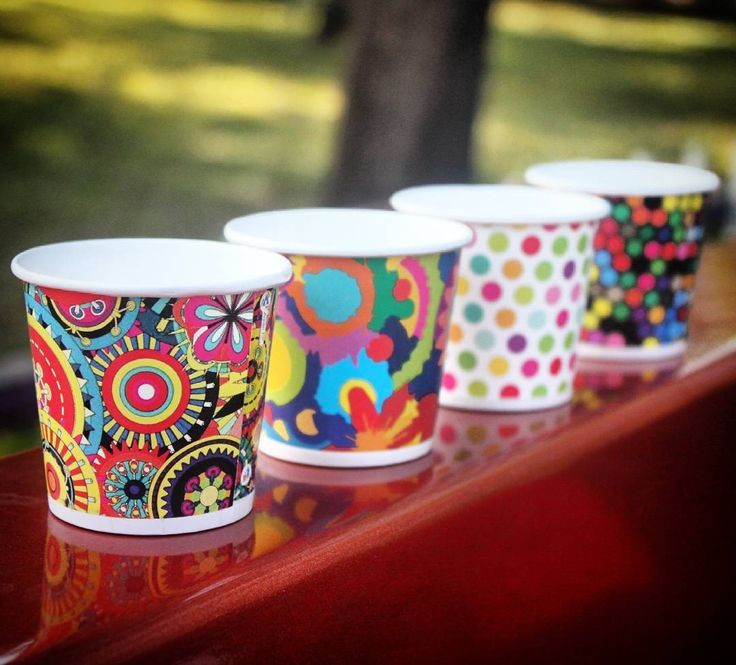
Custom cups have become a popular choice for many households and businesses. Their personalized designs and durable materials make them both attractive and functional. However, keeping them in good condition requires the right care. By following a few simple practices, you can enjoy your favorite cup for many years to come.
Choose the Right Cleaning Method
Cleaning your cup properly is the first step in keeping it looking new. Not all cups can be treated the same way. Some may be dishwasher-safe, while others require hand washing. Before cleaning, always check for any instructions from the manufacturer.
For most custom cups, gentle hand washing is the best approach. Use mild dish soap and a soft sponge. Avoid using steel wool or harsh scrubbers. These can scratch the surface and cause damage to the design. Even if a cup is dishwasher-safe, the heat from the machine can fade the design over time. It's always safer to clean your cup manually.

In case your cup has stubborn stains, fill it with a mix of warm water and white vinegar. Let it sit for a few hours or overnight. This natural solution helps remove stains without using harmful chemicals. Rinse well afterward and dry with a soft towel.
Avoid using bleach or strong cleaning agents. They can harm the outer coating and even affect the inside surface. With proper cleaning, you can preserve both the look and function of your favorite drinking cup for years.
Avoid Extreme Temperatures
Exposing your cup to very hot or very cold temperatures can reduce its life. Sudden temperature changes can cause the material to crack or weaken. For example, pouring boiling water into a cup straight from the fridge might damage it.
If your cup is made of glass or ceramic, be extra careful. These materials are more sensitive to thermal shock. Always allow your cup to come to room temperature before filling it with very hot or very cold liquids. This simple step can prevent cracks and chips.
Microwaving is another common concern. Some cups are not microwave-safe, especially those with metallic prints or trims. Always check the label or consult the maker before microwaving. If you're unsure, it's better to transfer your drink to a plain microwave-safe container.

Similarly, freezing your cup is risky unless it's designed for that purpose. The expansion of liquids as they freeze can lead to breakage. Keeping your cup at moderate temperatures will protect its structure and keep it usable for a longer time.
Store Cups Properly
Proper storage can extend the life of your cup. Many people stack cups to save space, but this can lead to scratches, chips, or even breakage. Instead, consider placing each cup separately on a shelf or with soft liners in between if stacking is needed.
Use hooks or cup hangers when possible. These not only help organize your kitchen but also keep your cups from touching each other. Avoid overcrowding your storage space, as bumping into other items may damage delicate surfaces or handles.
Dust can also settle on cups stored for a long time. It’s best to rinse your cup before each use if it’s been on a shelf. This keeps your drink clean and safe. If storing for long periods, use a clean cloth or paper towel to wrap the cup. This provides extra protection from dust and accidental scratches.
By storing your cups with care, you not only protect their appearance but also ensure they’re ready to use anytime.
Handle With Gentle Care
It might seem obvious, but how you handle your cup makes a big difference. Dropping or knocking it even slightly can cause cracks or dents, especially in materials like glass or ceramic. Always pick it up with a steady grip, especially when it’s full of hot or cold liquid.
If you carry your cup around during daily activities, be sure it’s securely placed in your hand or bag. Consider using a cup holder or sleeve to reduce the chance of dropping it. Travel cups often come with secure lids, but they still need careful handling.
When washing or drying your cup, be cautious not to bump it against other utensils or the sink. Dry it gently with a soft towel instead of letting it air-dry, especially in humid environments where moisture might affect the design over time.
By handling your cup carefully every time you use it, you help preserve both its shape and beauty.
Clean Stains with Natural Ingredients
Over time, cups may develop stains, especially from coffee, tea, or juice. These stains can be difficult to remove with soap alone. Fortunately, natural ingredients offer a gentle and effective solution.
Baking soda is one of the best natural cleaners. Mix a small amount with water to form a paste. Apply it to the stained area and scrub gently with a soft cloth. Rinse well afterward. Baking soda is gentle on designs and safe for most materials.
Lemon juice also works well. Its natural acidity helps remove tough stains and leaves a fresh scent. Rub a lemon slice over the stained area, then rinse and dry. For deeper stains, mix lemon juice with salt for added scrubbing power.
Another helpful solution is white vinegar. Fill the cup with warm water and add a few tablespoons of vinegar. Let it sit for a few hours before rinsing. This removes most stains and any unwanted smells.
Keep Away From Direct Sunlight
Sunlight might not seem harmful at first, but over time, it can cause fading. If your cup has colorful prints or text, constant exposure to sunlight will make them dull. This is especially true for cups placed near windows or stored outdoors.
To protect the design, keep your cup in a shaded area. If it's used for display, rotate its position often so one side doesn't get more exposure than the others. If you carry your cup outside regularly, use a protective cover or carry it in a bag when not in use.
Even indoors, fluorescent lighting can affect some cup materials over time. While not as harmful as direct sunlight, it's still a good idea to store your cup in a cabinet or covered shelf when not in use.
Keeping your cup away from sunlight ensures the colors stay vibrant and the material stays strong.
Avoid Harsh Scrubbing and Tools
When trying to clean a cup quickly, many people grab the nearest scrubber. But rough tools can wear down the surface, damage prints, or even scratch off decorative elements. If your cup has a glossy finish, this can become dull over time.
Instead, always use soft sponges or microfiber cloths. These clean effectively without harming the surface. If something is stuck inside the cup, fill it with warm soapy water and let it sit before scrubbing. This loosens the debris naturally and reduces the need for hard scrubbing.
If you must use a brush, choose one with soft bristles. Avoid steel wool or metal scrubbers at all costs. These are too rough and will shorten your cup’s life quickly.
Gentle care while cleaning will help preserve the original look and feel of your cup.
Protect While Traveling
Cups used on the go need special protection. Whether you're heading to work or going on a road trip, your cup should be safely stored. A protective sleeve or cover helps prevent damage during travel.
Here are a few quick tips to protect your cup during travel:
- Always use a padded cup holder or wrap the cup in a soft cloth inside your bag.
- Choose cups with leak-proof lids to avoid spills and reduce the chance of slipping from your hands.
- Avoid placing the cup near sharp or heavy items in your bag.
- Use a special cup bag or case if you travel with it often.
These steps reduce the chance of accidental drops or scratches. Traveling with a cup doesn't have to be risky if you take the time to pack it properly. A little effort goes a long way in keeping it safe.
Conclusion
Taking good care of your favorite cup is not difficult, but it does require attention to detail. By using gentle cleaning methods, avoiding extreme temperatures, and storing it properly, you can greatly extend its lifespan. Simple habits like rinsing after use, using natural cleaners, and keeping the cup away from sunlight all make a big difference. Whether you use it at home, at work, or while traveling, protecting your cup from damage and stains helps maintain its appearance and function. With just a little effort and care, you can enjoy your cup every day, keeping it looking as good as new for years to come.





