

Introduction
Concrete blocks are the foundation of many construction projects across the UAE, especially in fast-growing cities like Dubai. But not all concrete blocks are created equal — and that’s where quality becomes a critical factor. With numerous concrete block suppliers in Dubai, UAE, contractors and builders often face challenges in identifying consistent quality. In this article, we’ll explore why these quality differences exist and, more importantly, how you can recognize the signs of high and low-quality concrete blocks before making a purchase.
Why Concrete Block Quality Differs
Variation in Raw Materials
The quality of raw materials — cement, aggregates, and water — directly impacts the durability and strength of concrete blocks. Some suppliers use higher-grade cement or cleaner aggregates, while others may cut corners to reduce production costs. This often leads to inconsistent strength and longevity in blocks, even when they appear identical on the surface.
Manufacturing Processes and Machinery
Modern, automated machinery tends to produce more uniform and dense concrete blocks. However, not all suppliers use updated or well-maintained equipment. Manual or outdated production methods can lead to poor compaction, irregular shapes, and weaker structural properties.

Curing and Drying Practices
Curing is essential to the strength and durability of concrete. Reputable suppliers follow proper curing practices — such as moist curing for 7–28 days — while others may rush the process to speed up delivery. Improper curing can result in surface cracks, low strength, and poor resistance to weather conditions.
How to Spot the Difference
Visual Inspection
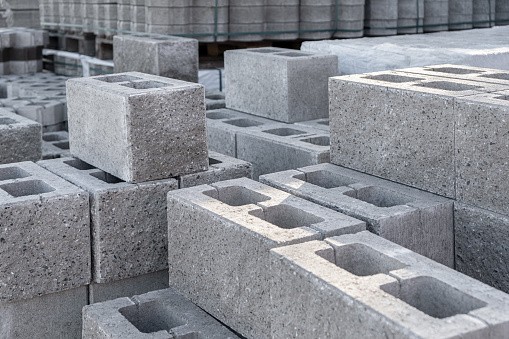
Start with a simple visual check. Good quality blocks will have:
- A uniform shape and color
- No visible cracks or rough edges
- A smooth, consistent texture
Blocks that appear dusty, chipped, or irregular could be signs of rushed or subpar production.
Weight and Density
Heavier blocks are often denser and more durable. If two similar-sized blocks differ significantly in weight, the lighter one may have more air pockets or weaker materials. Ask the supplier about block density specifications and compare with industry standards.
Compressive Strength Certification
Reliable suppliers often provide compressive strength test reports or certification. Always request this documentation before placing a bulk order. Blocks used in structural applications should meet UAE building code standards, typically ranging from 3.5 to 7.5 N/mm², depending on the project.

Supplier Transparency and Reviews
Suppliers who are confident in their product quality will offer transparency. Look for:
- Site visit options
- Open communication
- Clear product data sheets
Also, check for online reviews or ask other contractors about their experience. Word-of-mouth and third-party feedback can reveal a lot about a supplier’s consistency and reliability.
Conclusion
When it comes to choosing the right concrete blocks, understanding quality differences is essential for long-term success in your construction projects. By learning how to inspect blocks visually, verify their specifications, and evaluate suppliers, you reduce the risk of structural issues and costly rework.
If you're seeking professional support or supplier recommendations, Aluminium Scaffolding Fence is a name trusted by many builders across the UAE. Choose wisely, build stronger, and ensure your project starts with the best foundation possible.





