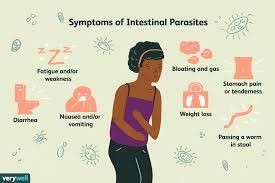
Antiparasitic drugs play a crucial role in treating worm infections, which affect millions of people worldwide, particularly in tropical and subtropical regions. Among these drugs, Ivermectin stands out as a highly effective treatment against a variety of parasitic worms. Available in different formulations, such as Ivermectin 6 mg tablets (brand name Stromectol) and Iverheal 12 mg tablets, this medication has revolutionized the treatment of parasitic infections.
In this blog post, we'll explore the science behind antiparasitic drugs, focusing on Ivermectin—its mechanism of action, uses, dosage, side effects, and why it remains a cornerstone in parasitic infection treatment.
1. Understanding Parasitic Worm Infections
Parasitic worm infections, also known as helminthiasis, are caused by various types of worms, including:

-
Roundworms (Nematodes) – e.g., Ascaris, hookworms, whipworms
-
Flatworms (Platyhelminthes) – e.g., tapeworms, flukes
-
Filarial worms – e.g., those causing river blindness (onchocerciasis) and lymphatic filariasis
These infections are typically transmitted through contaminated soil, water, or food, and can lead to severe health complications if left untreated.
2. What Is Ivermectin?
Ivermectin is a broad-spectrum antiparasitic drug derived from the bacterium Streptomyces avermitilis. It was discovered in the 1970s and has since become a key medication in global health, particularly for treating:

-
Onchocerciasis (River Blindness)
-
Lymphatic Filariasis (Elephantiasis)
-
Strongyloidiasis (Threadworm Infection)
-
Scabies (Caused by Mites)
-
Other parasitic infections
It is available under different brand names, including Stromectol and Iverheal, in doses like 6 mg and 12 mg tablets.
3. How Does Ivermectin Work?
Ivermectin works by targeting the nervous system of parasites, leading to their paralysis and death. Here's a deeper look at its mechanism:
A. Binding to Glutamate-Gated Chloride Channels
-
Ivermectin binds to specific chloride channels in the parasite's nerve and muscle cells.
-
This binding increases chloride ion influx, causing hyperpolarization of the cells.
-
As a result, the parasite becomes paralyzed and eventually dies.
B. Selective Toxicity
-
The drug is highly effective against parasites but has minimal effects on humans because:
-
Human chloride channels are structurally different.
-
The blood-brain barrier prevents Ivermectin from affecting human nerve cells at standard doses.
-
C. Additional Effects on Reproduction
-
In filarial worms, Ivermectin also reduces microfilariae (larval stage) production, helping control disease spread.
4. Common Uses of Ivermectin
A. Onchocerciasis (River Blindness)
-
Caused by Onchocerca volvulus, transmitted by blackflies.
-
Ivermectin kills microfilariae, reducing skin and eye damage.
-
A single dose (150 mcg/kg) given once or twice a year can control infection.
B. Lymphatic Filariasis (Elephantiasis)
-
Caused by Wuchereria bancrofti and other filarial worms.
-
Ivermectin, combined with Albendazole or diethylcarbamazine (DEC), helps clear microfilariae from the blood.
C. Strongyloidiasis
-
A gut infection caused by Strongyloides stercoralis.
-
Ivermectin is the drug of choice, with a cure rate of over 90%.
D. Scabies and Head Lice
-
Topical or oral Ivermectin is effective against mites causing scabies.
-
Often used in crusted scabies (Norwegian scabies) cases.
E. Other Off-Label Uses
-
Some studies explore its effects on malaria vectors and certain viruses, but more research is needed.
5. Dosage and Administration
The dosage of Ivermectin depends on the infection type and patient weight.
| Infection | Dosage | Frequency |
|---|---|---|
| Onchocerciasis | 150 mcg/kg (e.g., 6 mg for 60 kg) | Once every 6-12 months |
| Lymphatic Filariasis | 150-400 mcg/kg + Albendazole | Annual or biannual |
| Strongyloidiasis | 200 mcg/kg for 1-2 days | May repeat after 2 weeks |
| Scabies | 200 mcg/kg (single or double dose) | As prescribed |
-
Available Forms: 3 mg, 6 mg, 12 mg tablets (e.g., Stromectol, Iverheal).
-
Administration: Taken orally with water on an empty stomach for better absorption.
6. Side Effects and Safety
Ivermectin is generally safe but may cause mild to moderate side effects:
Common Side Effects
-
Mild dizziness, nausea, diarrhea
-
Itching or rash (due to dying parasites)
-
Fatigue, joint pain
Rare but Serious Side Effects
-
Hypotension (low blood pressure)
-
Liver enzyme changes (in high doses)
-
Neurological effects (in overdose cases)
Contraindications
-
Pregnant women (unless benefits outweigh risks)
-
Breastfeeding mothers (small amounts pass into milk)
-
Children under 15 kg body weight (safety not well established)
7. Resistance and Future of Antiparasitic Drugs
Overuse of Ivermectin in veterinary medicine has led to resistance in some parasites. Strategies to prevent resistance include:
-
Combination therapy (e.g., Ivermectin + Albendazole)
-
Mass drug administration (MDA) programs in endemic areas
-
Developing new antiparasitic drugs
Research is ongoing to find next-generation antiparasitics with novel mechanisms.
8. Conclusion
Ivermectin remains one of the most essential antiparasitic drugs in modern medicine, effectively treating river blindness, filariasis, strongyloidiasis, and scabies. Its unique mechanism of action, safety profile, and global impact make it a cornerstone in parasitic disease control.
However, responsible use is crucial to prevent resistance and avoid misuse. Always consult a healthcare provider before taking Ivermectin or any antiparasitic medication.
By understanding the science behind antiparasitic drugs, we can better appreciate their role in global health and the ongoing fight against neglected tropical diseases.