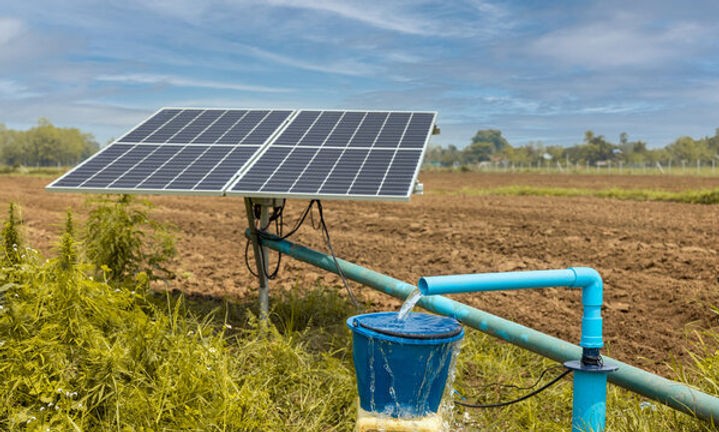
Agriculture today is not just about growing crops; it’s about adopting smart, sustainable, and cost-efficient methods that ensure better productivity while minimizing expenses. One such game-changing innovation for farmers is the solar pump. By utilizing renewable solar energy, farmers can reduce dependency on electricity or diesel, significantly lowering operational costs in the long run. However, while the technology itself is efficient, the installation process and related expenses can sometimes seem overwhelming. That’s why knowing the right cost-saving tips before installing solar pumps is crucial for maximizing returns.
Why Solar Pumps Are a Game-Changer for Farms
The adoption of Solar Pumps has revolutionized irrigation practices across rural and semi-urban agricultural areas. These pumps harness energy from the sun to operate water pumping systems without the recurring cost of fuel or electricity. Apart from reducing expenses, they provide farmers with uninterrupted access to water, even in remote areas where power supply is irregular. By replacing conventional pumps with solar-powered ones, farmers can save substantially on utility bills while contributing to environmental conservation.

Benefits of Using Solar Pumps in Farms
Before diving into the cost-saving tips, it’s worth understanding why solar pumps have become a preferred choice for many farmers:
-
Reduced Energy Costs – No monthly electricity or diesel expenses.
-
Low Maintenance – Minimal moving parts result in fewer repairs.
-
Eco-Friendly – Uses renewable energy, reducing carbon footprint.
-
Reliable Supply – Works in areas with poor or no power connectivity.

-
Long-Term Investment – Initial cost offsets over time through savings.
Cost-Saving Tips for Installing Solar Pumps in Farms
Here’s how farmers can strategically cut costs without compromising quality or efficiency when installing solar pumps.
1. Assess Your Water Requirements Accurately
The first step to saving money is knowing exactly how much water your crops need daily or weekly. Oversized pumps mean higher installation and equipment costs, while undersized pumps lead to inefficiency and frequent breakdowns. A proper assessment ensures you only invest in a pump that meets your exact needs.
2. Choose the Right Type of Solar Pump
Solar pumps are available in two primary types:
-
Surface Pumps – Ideal for shallow water sources like ponds and streams.
-
Submersible Pumps – Designed for deep wells or boreholes.
By selecting the right type, you avoid unnecessary spending on a system that’s overqualified for your needs. A mismatch can also increase operational inefficiency, costing more in the long run.
3. Opt for High-Efficiency Panels
Not all solar panels are the same. Investing in high-efficiency panels means you need fewer units to generate the required power, reducing both the initial purchase cost and space needed for installation.
4. Leverage Government Subsidies and Schemes
Many governments, including India’s Ministry of New and Renewable Energy (MNRE), offer subsidies for installing solar pumps in farms. These can cover 30–60% of the total cost, drastically reducing your upfront investment. Always research and apply for these schemes before making a purchase.
5. Buy During Off-Season
Demand for solar pumps peaks during the irrigation season, which can drive up prices. Purchasing and installing during the off-season often leads to better discounts from suppliers and installers.
6. Compare Multiple Suppliers and Brands
Never settle for the first quote you receive. Contact multiple suppliers, compare prices, features, and warranties. This research not only helps find the best deal but also ensures you get a quality product at a competitive rate.
7. Invest in Durable Components
While it might be tempting to go for cheaper parts, low-quality components may fail sooner, leading to higher replacement costs. Always choose reputable brands with proven durability and solid after-sales service.
8. Plan for Proper Site Location
A poorly chosen installation site can affect panel efficiency and water delivery. Select a location with maximum sunlight exposure throughout the day, minimal shade, and close proximity to the water source. This reduces the need for extra cabling or piping, which can be costly.
9. Consider Hybrid Systems
In areas where sunlight availability fluctuates seasonally, a hybrid solar pump (which can switch between solar and grid power) may prevent downtime and avoid investing in a second pump. Though slightly costlier upfront, hybrid systems can save more in the long run by avoiding crop losses due to water shortage.
10. Maintain Regularly to Avoid Repairs
Routine maintenance keeps your solar pump functioning efficiently, preventing expensive repairs or replacements. Simple tasks like cleaning the solar panels, checking connections, and lubricating moving parts can prolong system life.
Real-Life Example of Cost Savings
A farmer in Rajasthan, India, replaced his diesel-powered irrigation system with a 5 HP solar pump. The initial cost was ₹4.5 lakh, but after receiving a 40% subsidy, his investment reduced to ₹2.7 lakh. With diesel savings of nearly ₹80,000 per year, he recovered his cost in just over three years, and now irrigates at nearly zero operational expense.
Common Mistakes to Avoid When Installing Solar Pumps
-
Ignoring Water Source Depth – Leads to buying unsuitable pumps.
-
Overlooking Warranty Terms – No coverage for early breakdowns can be costly.
-
Not Accounting for Seasonal Variations – Leads to inefficiency during cloudy months.
-
Skipping Professional Installation – Poor setup may damage the system.
Conclusion
Solar pumps are more than just an eco-friendly solution—they are a long-term investment that can drastically cut farming costs. By following the above cost-saving tips—such as assessing water needs, applying for subsidies, buying during the off-season, and ensuring quality installation—farmers can get maximum value for their money. With smart planning and the right choices, installing solar pumps can lead to significant financial savings, increased productivity, and a more sustainable future for agriculture.