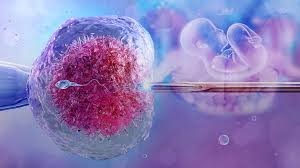
Understanding the IVF process helps reduce anxiety and prepares you for each stage. At a trusted fertility clinic in Jaipur, our specialists guide you through every step—from the initial consultation to pregnancy confirmation—ensuring you feel informed, supported, and confident.

Step 1: Initial Consultation
Your IVF journey begins with a comprehensive consultation. This is where you and your partner meet the fertility specialist to:
-
Discuss your medical history and previous treatments (if any)
-
Share concerns, expectations, and questions
-
Review the fertility challenges you’ve faced
-
Outline potential treatment plans

Preparation tip: Bring along all previous medical reports, prescriptions, and test results to make this session more productive.
Step 2: Fertility Testing
Before starting IVF, both partners undergo tests to identify any underlying issues and customize the treatment plan.
For women:
-
Hormone tests: FSH, LH, AMH, thyroid hormones
-
Ultrasound scans: Checking ovarian reserve and uterine lining
-
HSG: To detect fallopian tube blockages
For men:
-
Semen analysis: Sperm count, movement, and shape
-
Hormone profile: Testosterone and other reproductive hormones
-
Scrotal ultrasound: If structural issues are suspected
Early testing can significantly improve your IVF success rates by tailoring medication and procedures to your specific needs.
Step 3: Ovarian Stimulation
In a natural cycle, a woman releases one egg per month. IVF aims to retrieve multiple mature eggs to increase the chances of fertilization.
-
Hormonal injections stimulate the ovaries for 8–14 days
-
Frequent ultrasounds and blood tests monitor egg development
-
Your doctor adjusts medication doses based on progress
Tip: Stay hydrated and maintain a nutrient-rich diet during stimulation to support egg health.
Step 4: Egg Retrieval
Once the eggs are mature, retrieval is scheduled. The procedure:
-
Performed under mild sedation for comfort
-
Takes about 20–30 minutes
-
Uses a fine needle guided by ultrasound to collect eggs
You’ll rest briefly before heading home the same day. Mild cramping or spotting is normal.
Step 5: Sperm Collection
On the day of egg retrieval, the male partner provides a semen sample. If necessary, donor sperm or previously frozen samples can be used. In some cases, surgical sperm retrieval may be required.
Step 6: Fertilization in the Lab
There are two primary methods:
-
Conventional IVF: Sperm and eggs are placed together in a dish to fertilize naturally
-
ICSI: A single sperm is injected directly into an egg—ideal for low sperm count or motility issues
The embryologist closely monitors the fertilization process for the next 18–24 hours.
Step 7: Embryo Culture and Selection
Fertilized eggs develop into embryos over 3–5 days. The healthiest embryos are selected for transfer, while extra viable ones can be frozen for future use. Advanced labs may also offer preimplantation genetic testing (PGT) to screen for genetic disorders.
Step 8: Embryo Transfer
A selected embryo is placed into the woman’s uterus through a simple, painless procedure.
-
No anesthesia is required
-
Takes only 10–15 minutes
-
You can resume normal activities shortly after
Tip: Focus on rest, balanced nutrition, and a calm mind post-transfer to support implantation.
Step 9: The Two-Week Wait
The period between transfer and pregnancy testing can feel long and emotional.
-
Continue taking prescribed medications (progesterone, supplements)
-
Avoid high-impact exercise
-
Stay mentally engaged with light, relaxing activities
Step 10: Pregnancy Test and Follow-Up
About 12–14 days after embryo transfer, a blood test measures hCG levels to confirm pregnancy.
-
If positive: Regular ultrasounds and checkups begin
-
If negative: The doctor reviews the cycle, and next steps may include using frozen embryos or adjusting the treatment approach
For more details on our advanced treatment methods, explore our IVF treatment process page.
Additional Patient Preparation Tips for IVF Success
-
Quit smoking and alcohol at least 3 months before treatment
-
Maintain a healthy weight to improve hormone balance
-
Manage stress with yoga, meditation, or therapy
-
Sleep well—aim for 7–8 hours per night
-
Stay informed—ask your doctor questions at every stage
FAQs
1. How long does an IVF cycle take from start to finish?
On average, one IVF cycle takes about 4–6 weeks, including ovarian stimulation, egg retrieval, fertilization, and embryo transfer.
2. Is IVF painful?
Most steps are minimally invasive. Egg retrieval is done under sedation, and embryo transfer is usually painless.
3. What are the chances of IVF success?
Success rates depend on age, health, and clinic expertise—ranging from 30–60% per cycle for most patients.
4. Can I exercise during IVF treatment?
Light exercise like walking or yoga is fine, but avoid high-intensity workouts, especially after egg retrieval and embryo transfer.
5. Will IVF guarantee pregnancy?
No fertility treatment can guarantee success, but IVF offers higher chances, especially with modern techniques like ICSI and PGT.
Conclusion
Knowing what to expect at each stage of IVF can help you stay calm, confident, and well-prepared. At Ritu IVF, Jaipur, we combine advanced reproductive technology with compassionate care to guide you toward your dream of parenthood. Every step is explained clearly, and every decision is made together, so you’re never alone in the process.