

Introduction to Plastic Recycling in India
The Growing Plastic Waste Problem
India generates over 3 million tonnes of plastic waste annually, and a significant portion ends up in landfills, rivers, and oceans. The environmental consequences are alarming — choking water bodies, harming marine life, and contributing to climate change.
Why Recycling is the Need of the Hour
Recycling is the most effective way to tackle plastic pollution. It not only reduces waste but also conserves resources by reusing materials that would otherwise be discarded.
Overview of India’s Largest Plastic Recycler
History and Establishment
Founded over five decades ago, India’s largest plastic recycler began as a small initiative to manage post-industrial waste. Over the years, it evolved into a pioneer in processing post-consumer plastics, setting industry benchmarks for quality and scale.

Vision and Mission
Its mission is simple yet powerful — to turn waste into valuable resources, promote a circular economy, and create a cleaner planet for future generations.
Achievements and Recognition
From receiving national awards for environmental excellence to being recognized globally for innovation, the company has become a symbol of sustainable progress in the plastic recycling industry.
Scale of Operations
Nationwide Collection Network
With a vast network spanning urban and rural regions, the recycler collects plastic waste from households, industries, and municipal bodies.
Processing Capacity and Facilities
Operating multiple state-of-the-art plants, the company recycles over 1,00,000 tonnes of plastic annually, making it the largest in the country.
Types of Plastics Recycled
From PET bottles and HDPE containers to LDPE films and multilayer plastics, almost every form of discarded plastic finds a new life here.

The Recycling Process
Collection and Segregation
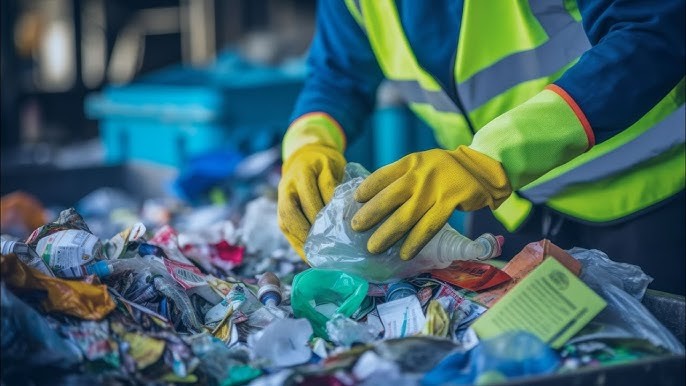
Waste is gathered from various sources and sorted into categories based on type, grade, and contamination level.
Cleaning and Shredding
Advanced washing units remove impurities before plastics are shredded into flakes for further processing.
Processing into Reusable Granules
Through extrusion, plastics are melted and reformed into high-quality granules ready for manufacturing use.
Quality Control and Compliance
Strict quality checks ensure that the recycled material meets both domestic and international standards.
Products and Applications
Recycled Plastic Granules
The primary output, recycled granules, serves as raw material for industries worldwide.
Industrial and Consumer Applications
These granules are used in manufacturing automotive components, packaging materials, furniture, textiles, and even home décor items.
Contribution to the Circular Economy
By reintroducing waste into the production cycle, the recycler reduces dependency on virgin plastic and promotes sustainability.
Environmental and Social Impact
Reduction in Landfill Waste
Every tonne of recycled plastic means less waste in landfills, helping combat soil and water pollution.
Conservation of Resources
Recycling saves energy and reduces the need for fossil fuel extraction, cutting greenhouse gas emissions.
Employment Generation and Community Support
Thousands of workers, including those from underprivileged backgrounds, find livelihoods in collection, sorting, and processing.
Innovations and Sustainability Initiatives
Adoption of Advanced Recycling Technologies
The recycler invests in AI-driven sorting machines, chemical recycling, and closed-loop systems to maximize efficiency.
Energy-Efficient Processes
Solar energy and waste heat recovery systems help reduce operational carbon footprints.
Partnerships with Government and NGOs
Collaborative programs raise awareness, promote waste segregation, and improve recycling infrastructure nationwide.
Challenges in Plastic Recycling in India
Lack of Segregation at Source
Mixed waste collection makes recycling difficult and increases processing costs.
Informal Waste Collection Sector Issues
While informal collectors play a vital role, lack of regulation often leads to unsafe working conditions.
Public Awareness Gaps
Many citizens still view waste as “garbage” rather than a resource, limiting participation in recycling efforts.
The Future of Plastic Recycling in India
Expansion Plans
The recycler aims to increase processing capacity, open new plants, and expand its collection network to smaller towns.
Role in Achieving India’s Sustainability Goals
By reducing plastic waste and promoting a circular economy, the company supports India’s pledge to eliminate single-use plastics and achieve net-zero emissions.
Conclusion
India’s largest plastic recycler stands as a beacon of hope in the fight against pollution. Its vast operations, cutting-edge technologies, and commitment to sustainability are transforming how the nation views waste — not as a problem, but as a valuable resource for a greener future.
FAQs
1. Which is the largest plastic recycling company in India?
India’s largest recycler is known for processing over 1,00,000 tonnes of plastic annually with nationwide collection and advanced facilities.
2. What types of plastics can be recycled?
PET, HDPE, LDPE, PP, multilayer plastics, and more are commonly recycled.
3. How does recycling help the environment?
It reduces landfill waste, conserves resources, and cuts greenhouse gas emissions.
4. What products are made from recycled plastic?
Packaging materials, automotive parts, textiles, furniture, and even clothing.
5. How can individuals contribute to recycling?
By segregating waste at source, reducing single-use plastics, and supporting recycling initiatives.





