

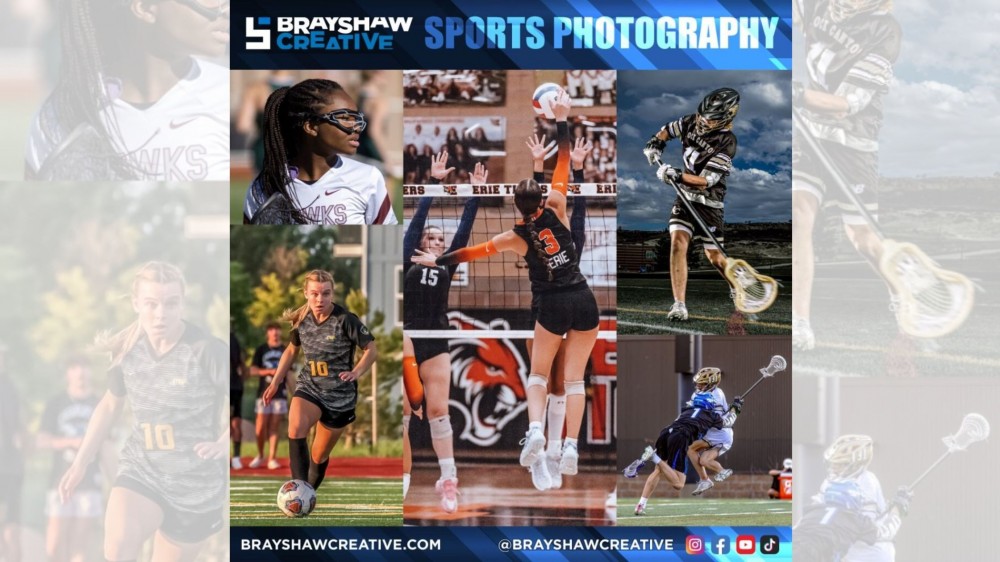
Great sports photography is more than simply pressing the shutter at the right time. It’s about reading the flow of the game, sensing the shift in energy, and predicting the exact moment that will tell the most powerful story. The magic often happens in a fraction of a second—an expression, a movement, or a collision of emotions frozen in time. Mastering the art of anticipation takes patience, sharp observation skills, and a deep understanding of human behavior.
Why Anticipation Matters
Sports move fast. By the time you see the perfect moment and react, it’s probably too late. Anticipation bridges that gap. It’s the ability to foresee action before it happens, so you’re already in position with the right settings dialed in. Whether it’s a soccer player glancing toward an open teammate or a tennis player adjusting their stance before a serve, subtle cues give away what’s coming next.
A skilled Fort Collins photographer knows that these cues aren’t random—they’re patterns that repeat. Over time, you learn the rhythm of the sport, the body language of the players, and the signals that an important moment is seconds away.

Reading Body Language
Athletes rarely move without a purpose. Even the smallest shift in weight can indicate a burst of speed or a sudden change in direction. Photographers who pay close attention to these movements can predict where the action will unfold.
For example:
- A sprinter leaning slightly forward signals an explosive start.
- A basketball player’s eyes darting toward the hoop means a shot is coming.
- A goalie subtly shifting weight to one side hints at the direction they’ll dive.
It’s not just the players—coaches, referees, and even fans can offer visual clues that add depth to the storytelling. Capturing the crowd’s reaction just before a game-changing play can be as powerful as photographing the play itself.
Positioning Is Half the Battle
Being in the right place makes anticipation easier. Every sport has “hot spots” where big moments are likely to occur. A corner kick in soccer, the baseline in tennis, or the finish line in track events are predictable zones for action. By staking out these positions, you increase your chances of being ready when that decisive moment happens.
Lighting, background, and angle also come into play. Standing a few feet to the left or right can change the entire mood of a shot. Anticipation means not only predicting the action but also setting yourself up for the best possible composition.

Timing and Reaction Speed
Even with strong anticipation skills, timing is crucial. Modern cameras have fast burst modes, but relying solely on rapid-fire shooting can lead to wasted frames and missed opportunities. Instead, combine quick reflexes with thoughtful timing.
If you’ve read the body language right, your finger should hit the shutter just before the action peaks. That way, you capture not just the result but the raw energy building up to it.
Practicing the Skill
Like any art form, anticipation improves with practice. Start by studying the sport you’re photographing. Watch live games, analyze highlight reels, and note the sequences that lead to big plays. During actual shoots, resist the urge to follow the ball or puck constantly. Instead, keep your eyes on the players’ faces, hands, and posture—they often reveal more than the ball itself.
You can also practice by photographing fast-moving scenes outside of sports. Wildlife photography, for instance, shares many similarities. Animals, like athletes, move with intent, and reading their body language can help sharpen your instincts.
The Client’s Perspective
For clients—whether they’re teams, athletes, or event organizers—these anticipated shots are priceless. A perfectly timed image can define a season, a career, or a community’s memory of an event. It’s the photograph that gets framed, shared, and talked about for years.
A Fort Collins photographer with strong anticipation skills can deliver not just coverage, but storytelling that resonates emotionally. These images capture not only what happened, but the heartbeat of the moment.
Final Thoughts
Sports photography is more than luck—it’s preparation meeting opportunity. By reading body language, understanding game flow, and positioning strategically, photographers can predict decisive moments before they unfold. The result is a collection of images that aren’t just sharp and well-lit, but filled with tension, emotion, and narrative.
Anticipation turns ordinary shots into unforgettable ones, and that’s the real art behind the lens.





