

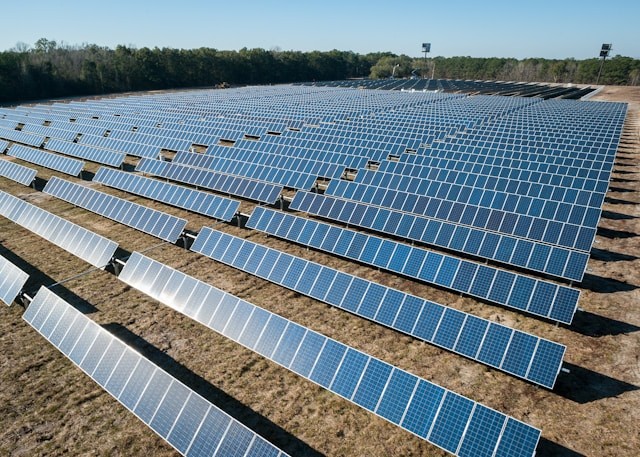
The solar energy industry in the United States is booming, driven by growing environmental awareness and financial incentives for renewable energy solutions. For solar companies, the key to scaling and staying competitive lies in acquiring quality leads—interested individuals or businesses ready to make the switch to solar power. This guide will walk you through everything you need to know about generating and selling solar leads effectively, whether you're a solar company looking to grow, or a lead reseller seeking a lucrative market opportunity.
What Are Solar Leads?
Defining Solar Leads
Solar leads are potential customers who express interest in solar energy products or services. They can range from homeowners looking to cut energy costs to businesses aiming to reduce their environmental impact. These leads typically come from various marketing channels, such as online ads, search engine results, or referrals, and are categorized into two types based on exclusivity:
- Exclusive Leads: Sold to a single solar company, giving them sole access to the customer.
- Shared Leads: Sold to multiple companies, often at a lower price, but with increased competition for conversion.
Why Solar Leads Are Crucial
Solar companies depend on a steady flow of leads to grow their customer base and capitalize on the industry's skyrocketing demand. However, not all leads convert easily. High-quality solar leads—those that meet specific criteria such as homeownership and interest in solar—are essential to ensure marketing efforts result in real profitability.

For lead resellers, solar leads present a lucrative business opportunity. By generating high-quality leads and reselling them to solar companies, you can tap into a fast-growing market with significant revenue potential.
How to Generate High-Quality solar installation leads
1. Leverage Digital Marketing
Digital marketing provides powerful tools to generate targeted and high-quality solar leads. Key strategies include:
Local SEO
Optimize your website for local search using location-specific keywords like “solar panel installation in Florida.” This ensures potential customers in your area can find you quickly through search engines like Google.
- Optimize your Google Business Profile.
- Create location-specific landing pages for each city or state you serve.
- Earn local backlinks from community portals or directories.
Pay-Per-Click (PPC) Advertising
Run highly targeted ads on Google or social media platforms like Facebook and Instagram. PPC campaigns allow you to reach users actively searching for solar solutions or showing interest in renewable energy.
Social Media Marketing
Build a presence on platforms where homeowners spend their time, such as Facebook, Instagram, or Pinterest. Post educational and visually appealing content, and use retargeting ads to re-engage visitors who have interacted with your brand before.

2. Create Engaging Content
Content marketing is essential for building trust and attracting potential leads. Examples include:
- Educational Blogs: Articles like “How Solar Panels Save Money” or “5 Things Homeowners Should Know Before Going Solar.”
- Lead Magnets: Offer free guides or tools, such as a “Solar Savings Calculator,” in exchange for the user’s contact information.
- Webinars and Videos: Host webinars about the benefits of solar energy or upload case study videos showcasing successful installations.
3. Referral and Partner Programs
Encourage satisfied customers to refer friends, family, or fellow businesses in exchange for incentives like discounts or gift cards. Additionally, partner with local builders, real estate agencies, or sustainability organizations to tap into their networks.
4. Tap into Financial Incentives
Promote federal and state solar incentives, such as the federal solar tax credit (ITC), which allows homeowners to deduct 30% of the cost of installing a solar energy system from their taxes. Use these benefits in your marketing to attract price-conscious prospects.
Qualifying and Nurturing Solar Leads
1. Qualifying Leads
Not every lead will convert into a customer. To avoid wasting time and resources, qualify your leads effectively by assessing:
- Homeownership (most renters lack the authority to install solar panels).
- Location (is the home in a solar-friendly area?).
- Energy Consumption (customers with high bills are typically more motivated to switch).
- Creditworthiness (some solar plans require financing approval).
Use online forms, surveys, or initial phone consultations to gather this information quickly and efficiently.
2. Nurturing Leads
Once you’ve identified qualified leads, nurturing them is crucial to conversion. Strategies include:
- Follow-Up Emails: Automate educational email sequences addressing common customer questions about solar energy.
- Personalized Outreach: Use data from the qualification process to send more relevant communication.
- Consistent Follow-Ups: Many leads require multiple touchpoints before making a commitment, so don’t hesitate to reach out several times.
Selling Solar Leads: Best Practices
1. Pricing Solar Leads
Solar leads are sold at varying prices depending on exclusivity and quality:
- Exclusive leads generally cost between $100–$300 per lead, due to their higher potential ROI for solar companies.
- Shared leads may be sold at lower prices, typically $20–$70 per lead.
Set transparent pricing that aligns with the quality of your leads. Offering tiered packages can cater to varying budgets and needs.
2. Build Strong Client Relationships
Solar companies want reliable lead providers. Build trust by:
- Offering transparent details about lead generation methods.
- Sharing performance metrics, such as conversion rates, for your leads.
- Providing responsive customer support to address any concerns.
3. Follow Compliance Laws
The solar lead industry is regulated by laws such as the Telephone Consumer Protection Act (TCPA). Ensure all leads have given proper consent for their information to be shared and contacted by solar companies.
Challenges of solar lead reselling
- Lead Quality: Poorly qualified leads hurt your reputation and result in dissatisfied clients.
- Competition: The growing solar industry has attracted numerous lead providers, making differentiation critical.
- Market Saturation: Some areas may already have a high density of solar providers, affecting conversion rates.
- Client Retention: Solar companies may switch providers if they aren’t seeing results.
How to Overcome These Challenges
- Use advanced targeting techniques to generate high-quality leads.
- Focus on untapped regions with growing solar adoption, such as smaller towns or cities.
- Deliver consistent quality and regularly share performance reports with clients.
Future Trends in Solar Lead Generation
For more on this topic, read about data analytics to optimize solar lead generation.
The solar industry is evolving, and keeping up with trends is essential to remain competitive:
- Data-Driven Marketing: Expect increased use of analytics and machine learning to target audiences more effectively.
- Community Solar Programs: These allow individuals to invest in shared solar installations—an area ripe for new lead generation methods.
- Battery Storage Integration: With growing interest in home energy storage systems, leads interested in solar + battery solutions will increase.
- Decentralized Energy Marketplaces: Leads interested in personal solar grids or reselling excess energy may rise as the energy sector innovates.
Conclusion and Call-to-Action
Generating and selling solar leads in the USA is both a profitable and rewarding business opportunity. By focusing on digital marketing, qualifying leads effectively, and building trust with solar companies, you can create a reliable and scalable revenue stream. Challenges in the industry can be addressed by prioritizing lead quality, offering transparent services, and staying ahead of future trends.





