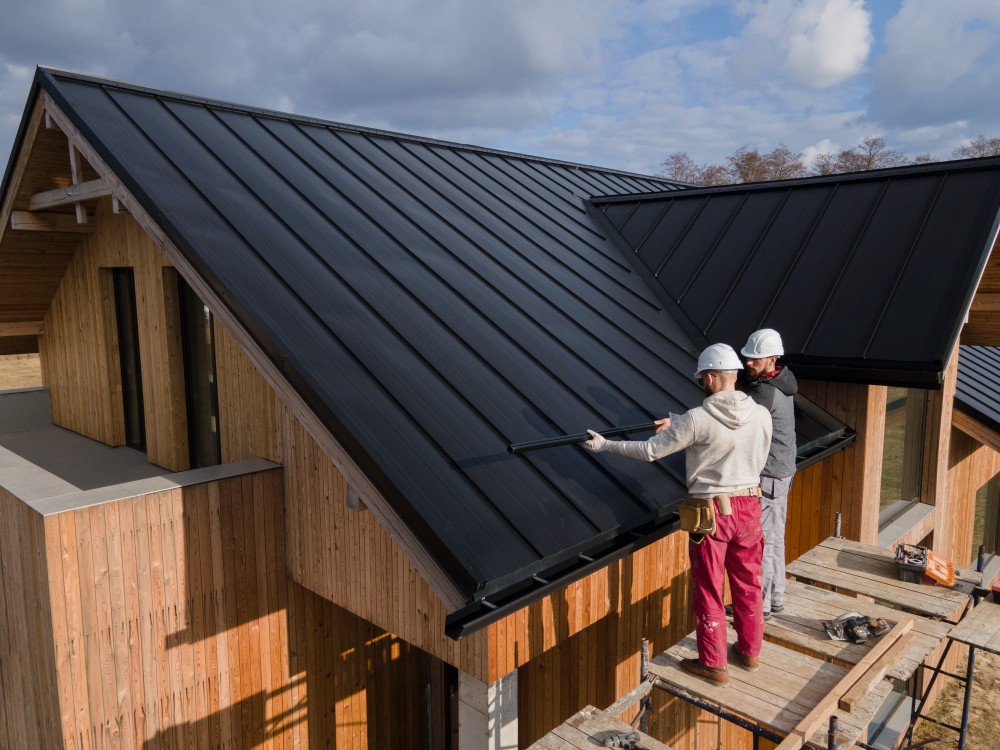
For roofing contractors, one of the most important conversations you’ll have with a homeowner is whether their roof needs a simple repair or a full replacement. Giving the right advice not only builds trust but also ensures the client gets the most value for their money. This guide will help tradies and contractors decide between roof repair vs roof replacement, using real-world signs, tips, and inspection steps.

Understanding the Basics: Roof Repair vs Roof Replacement
When talking to clients, it’s important to explain the difference between repairing vs replacing a roof in simple terms. This helps them make a decision that suits their budget, safety needs, and long-term plans.
Roof Repair involves fixing specific issues such as a small leak, replacing damaged shingles or tiles, or repairing minor areas of rot. It’s the ideal option for problems that are localised and don’t affect the roof’s overall structure. A well-done repair can extend the life of a roof and save the homeowner from unnecessary costs.
Roof Replacement, on the other hand, means removing the entire roof covering and sometimes the underlying structures and installing a new one. This is usually recommended when the damage is widespread, structural issues are present, or the roof has reached the end of its lifespan. While more expensive upfront, a replacement can offer better protection, energy efficiency, and peace of mind for decades.
Roofing contractor tip: Always take the time to walk clients through the pros and cons of both options. Providing honest advice builds trust and shows that you’re more interested in finding the right solution than in selling the biggest job.
Signs a Roof Needs Replacing – For Tradies to Watch Out For
Homeowners often miss the early warning signs that their roof is failing. As a professional, you should have a trained eye for these:

- Roof Age
Most roofs last 20–30 years depending on materials. If the roof is close to its expected lifespan, replacement is often the smarter choice. - Widespread Shingle Damage
Curling, cracking, or missing shingles across multiple areas suggest systemic wear, not just isolated damage. - Sagging Roof Deck
Indicates structural issues, possibly from rot or water damage. - Persistent Leaks
Multiple leaks in different areas point to deeper problems. - Granule Loss
If gutters are full of shingle granules, the protective layer is wearing away. - Mould or Rot
Can signal that the waterproofing layer is compromised.
Signs a Roof Can Be Repaired Instead
Not every issue calls for a complete replacement. Common repair-worthy issues include:
- Small, localised leaks.
- Minor flashing damage.
- A few missing shingles after a storm.
- Minor gutter-related water problems.
- Early-stage moss growth.
Roofing contractor tip: If repairs can extend the roof’s life by 5–10 years, this can be a cost-effective solution for the client.
How to Advise Clients on Roof Issues Without Overselling?
As a tradie or roof plumber in Australia, your reputation depends on giving honest, transparent advice rather than pushing the most expensive option. Here’s how to approach the conversation:
- Use Clear Language – Avoid overly technical jargon; explain roofing terms in simple, everyday language so clients understand exactly what’s going on.
- Show Evidence – Take clear photos or videos during your inspection so the client can see the damage you see. Visual proof builds trust.
- Explain Costs – Break down both short-term and long-term costs. For example, a repair might be cheaper now, but could lead to higher expenses later if the problem spreads.
- Highlight Safety – If a damaged roof poses a safety risk, make sure to stress the urgency without using fear tactics.
- Offer Both Options – Even if you believe a full replacement is best, explain what a repair would involve so the client feels informed and in control of their decision.
By taking this approach, you’ll build credibility, encourage repeat business, and stand out as a trusted roof plumber in Australia who puts the client’s best interests first.
Roof Inspection Checklist for Contractors
Before giving advice, carry out a thorough inspection. Here’s a roof inspection checklist for contractors:
- Check overall roof age from records or visual cues.
- Inspect shingles/tiles for cracks, curling, or loss.
- Look for soft spots on the roof deck.
- Examine flashing around chimneys, vents, and skylights.
- Check gutters for granules, debris, or water pooling.
- Look for water stains on ceilings and attic spaces.
- Inspect ventilation systems.
- Assess for moss, algae, or vegetation growth.
- Evaluate structural alignment (no sagging or dips).
Tradie guide to roofing consultations: Always document everything, your notes and photos will help justify your recommendation to the client.
When to Recommend a Roof Repair?
Repairs are often the right choice when:
- The damage is less than 20–25% of the roof surface.
- The roof is less than halfway through its expected lifespan.
- The issue was caused by a one-off event (like a fallen branch) rather than long-term wear.
- Budget constraints mean replacement isn’t currently feasible.
Example for clients: If only a small section of shingles was blown off during a storm and the rest of the roof is in good shape, repair is the smart call.
When to Recommend a Roof Replacement?
Replacement becomes the better option when:
- The roof is at or near the end of its lifespan.
- Damage is widespread across more than 25–30% of the surface.
- Repairs would cost nearly as much as a new roof.
- Structural damage or rot has compromised safety.
- Energy efficiency is poor due to outdated roofing materials.
Example for clients: A 25-year-old asphalt shingle roof with multiple leaks and extensive curling shingles will cost more to maintain than to replace.
Cost Considerations – Helping Clients Decide
Roof repair vs roof replacement often comes down to money. As a roofing contractor, you should:
- Provide itemised quotes for both options.
- Explain the expected lifespan of each choice.
- Discuss possible energy savings with modern roofing materials.
- Highlight warranties (repairs may have shorter warranties than replacements).
Building Client Trust Through Education
One of the best roofing contractor tips is to position yourself as a consultant, not just a service provider.
- Offer a free or discounted inspection as part of your quote.
- Share a short guide or checklist for homeowners to monitor roof health.
- Be transparent about what can be fixed now versus what will need work in the future.
Clients appreciate it when tradies take the time to teach them about how to advise clients on roof issues instead of rushing to sell.
Case Study: Repair vs Replacement Decision
Scenario: 1
A homeowner calls about a leak near the chimney. During inspection, you find:
- Roof age: 12 years (30-year shingles).
- Damage: Flashing around the chimney is loose, with minor water stains in the attic.
- Rest of roof: No visible sagging, shingles intact.
Recommendation: Repair flashing and reseal affected areas. Explain that the rest of the roof is in good condition and should last another 15+ years with proper maintenance.
Scenario 2:
Another homeowner calls about multiple leaks after heavy rain. You find:
- Roof age: 27 years.
- Damage: Curling shingles, missing granules, multiple leaks, sagging deck in spots.
- Rest of the roof: Signs of mould in the attic.
Recommendation: Full roof replacement. Explain that repairs would be costly, wouldn’t solve the root issues, and may not last long. Provide replacement options with modern materials and warranties.
Final Roofing Contractor Tips
- Always inspect both inside (attic) and outside – A full inspection ensures you don’t miss hidden damage that could impact your recommendation.
- Never recommend replacement without evidence – Back up your advice with photos, videos, and inspection notes.
- Document and explain findings in a way clients understand – Avoid jargon and keep explanations clear and visual.
- Balance cost with long-term value – Help clients weigh the upfront investment against potential future repair costs.
- Build trust – Clients are more likely to refer you if they believe you gave them fair, honest advice. Being part of the Trusted Tradie Network can also give clients extra confidence that they’re dealing with a reputable roofing professional.
Conclusion
Deciding between roof repair vs roof replacement is a big decision for any homeowner, and as a tradie, your role is to guide them with clarity, honesty, and professionalism. By using a roof inspection checklist for contractors, recognising the signs a roof needs replacing, and offering transparent comparisons, you can help your clients make the best decision for their property and budget.
A good roofing consultation isn’t about pushing for the biggest job—it’s about recommending the right solution. Do that consistently, and you’ll build a reputation as the go-to roofing contractor in your community.