

Dentistry has become one of the most important branches of healthcare, as people today are more aware of oral hygiene and the role it plays in overall health. To provide safe and effective treatment, dentists rely on a wide range of tools and devices. Among these, the dental instrument is the foundation that ensures precision, comfort, and successful outcomes for both patients and practitioners.
Understanding the Role of Dental Instruments
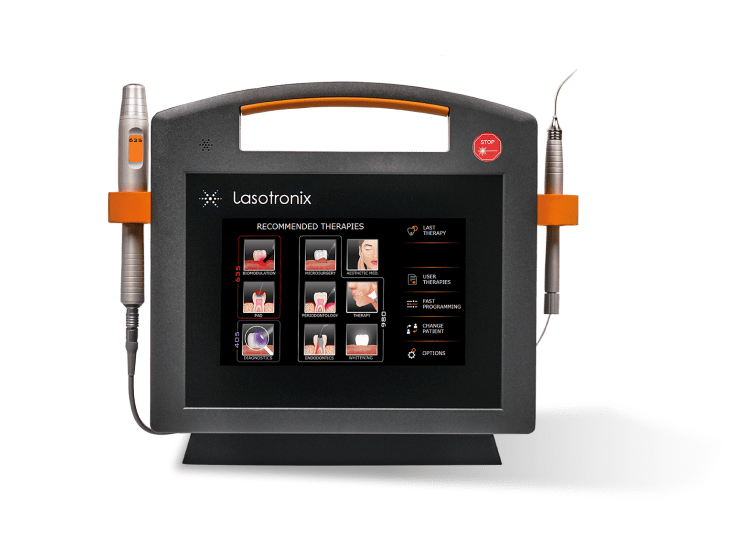
Dental instruments are specifically designed to help dentists perform various procedures with accuracy. They are made using high-quality materials that can withstand sterilization and daily use. Each tool has a specific purpose, ranging from diagnosing oral conditions to performing complex surgeries. Without these instruments, it would be impossible for dental professionals to deliver the level of care that patients expect.

Different Types of Dental Instruments
There are several categories of dental instruments, and each serves a unique function:
- Diagnostic Instruments – These include dental mirrors, probes, and explorers. They allow dentists to see inside the mouth and check for cavities, plaque, or other issues.
- Preventive Instruments – Used during cleaning procedures, these tools help remove tartar and polish the teeth to prevent decay and gum disease.
- Surgical Instruments – Forceps, elevators, and scalpels fall into this category. They are required during extractions and other oral surgeries.
- Restorative Instruments – These tools assist in filling cavities, shaping dental materials, and ensuring that restorations fit properly.
- Orthodontic Instruments – Specialized tools used for braces and other alignment treatments to improve the structure and positioning of teeth.
Each type of instrument is built with a precise purpose to ensure safe treatment and enhance patient comfort.
Why Quality Dental Instruments Matter
The quality of dental instruments has a direct impact on patient outcomes. High-grade tools provide better accuracy and reduce the risk of errors during procedures. They are also more durable, ensuring that they can be sterilized and reused without losing efficiency. Poor-quality instruments, on the other hand, may break easily, cause discomfort, or even lead to improper treatment results.
For dental clinics and hospitals, investing in reliable instruments also means better efficiency and long-term savings, as quality tools do not need frequent replacements. Patients also gain confidence in their treatment when they know their dentist is using professional-grade equipment.
Importance of Maintenance and Sterilization
Even the best instruments require proper care. Sterilization is critical in dentistry because it prevents cross-contamination and protects both patients and practitioners from infections. Every instrument must be cleaned, sterilized, and stored correctly after use. Regular maintenance ensures they remain sharp, accurate, and safe for repeated procedures.

Advancements in Dental Instruments
Modern technology has introduced advanced dental instruments that are more precise, lightweight, and ergonomic. Digital tools, laser devices, and ultrasonic scalers are becoming more common, making treatments less invasive and more comfortable for patients. These advancements show how important dental instruments are in keeping pace with evolving healthcare standards.
Conclusion
Dental instruments are not just tools; they are an essential part of oral healthcare that ensures safety, accuracy, and efficiency. From diagnostics to complex surgeries, they support every aspect of dental treatment. Maintaining high-quality instruments and adapting to modern advancements allows dental professionals to deliver the best care to patients. Reliable suppliers play a major role in making these instruments available to clinics and hospitals. For trusted solutions in medical and dental equipment, Paramount Medical Equipment Trading LLC remains a well-recognized name.





