

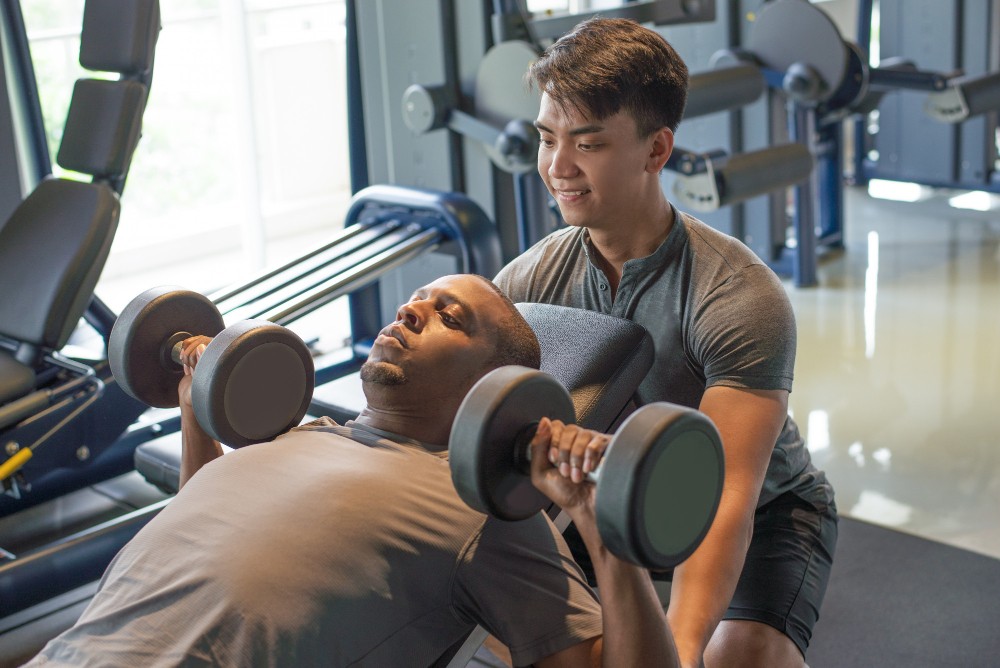
When you first sign up for a Personal Training course Adelaide, it’s all excitement. You picture yourself learning new skills, maybe landing a role at a gym, or even starting your own business. But somewhere between the anatomy lessons, practical sessions, and late-night study grinds, that initial spark can dim. Motivation doesn’t stay high every day—let’s be real. And that’s where success coaches step in. They’re not just mentors; they’re the people who nudge, guide, and sometimes outright push you back on track when you’re tempted to quit.
Accountability: More Than Just a Buzzword
Think about it—how many times have you told yourself you’d start something “Monday” and then… well, Monday came and went? Fitness students often juggle work, study, and life chaos. Without accountability, it’s easy to let assignments slip or miss practice sessions. Success coaches keep students honest. They check in, remind you of deadlines, and make sure you’re doing what you promised yourself you’d do. And honestly, sometimes all it takes is knowing someone’s watching your progress to keep you moving forward.
Breaking Down the Overwhelm
Courses in fitness aren’t exactly a walk in the park. There’s theory, practical demonstrations, assessments, and real client scenarios. Overwhelm is natural. A good coach helps students slice the mountain into small, doable steps. Maybe today you focus on learning proper squat technique, tomorrow it’s writing up a nutrition plan. When you’re guided through small wins, the big picture feels less intimidating.
Motivation on the Bad Days
We all have them—days where motivation is at rock bottom. Maybe work was rough, maybe life just feels heavy. A success coach isn’t there to sugarcoat, but to remind you why you started. Sometimes they’ll share their own stories of when they felt stuck and how they pushed through. That kind of real talk beats motivational quotes any day. It reminds students that struggling isn’t a sign of failure; it’s part of the process.
Building Confidence Step by Step
It’s one thing to learn fitness concepts on paper, but applying them in front of actual people? That’s where nerves kick in. Success coaches often create safe spaces for students to practice. They’ll role-play client scenarios, give honest feedback, and point out not just what you did wrong but also what you nailed. Bit by bit, students stop second-guessing themselves and start standing taller in their skills.
Guidance Beyond the Classroom
One underrated role of a success coach is helping students plan for the after. The fitness industry is wide—you could work in gyms, run bootcamps, focus on rehab, or build your brand online. Coaches often have networks, insights, and that behind-the-scenes knowledge of what really works in the field. So, instead of students leaving a course with just a qualification, they leave with direction.
Emotional Support (Because, Yes, That Matters Too)
Here’s the thing: learning isn’t just about absorbing information. It’s emotional. Students doubt themselves, compare their progress to others, or even wonder if they made the right choice enrolling. Having someone in your corner—someone who believes in you when you don’t—is sometimes the exact push needed to get through a rough patch. Success coaches bring that mix of empathy and tough love that makes the journey bearable.
Staying the Course to the Finish Line
Plenty of people start a fitness course, but not everyone finishes. The difference often comes down to support. A success coach helps students manage their time, overcome setbacks, and celebrate milestones. They keep the finish line in sight, even when students are buried in coursework or doubting their abilities.

At the end of the day, completing a training program isn’t just about knowledge—it’s about staying the course. And success coaches are the quiet anchors who make that possible. So, if you’re diving into a certificate 3 in fitness, know this: the journey will have its hurdles, but you don’t have to jump them alone.





