

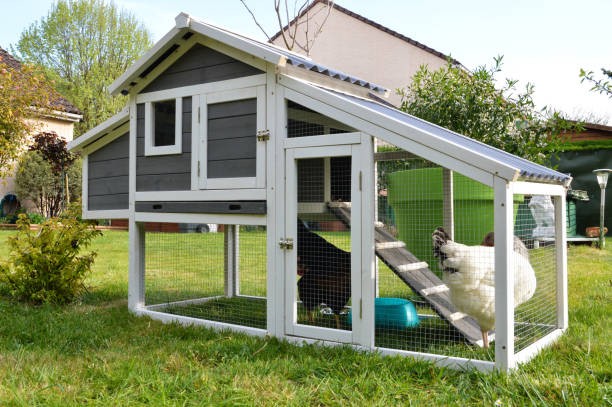
If you’ve been pondering how to build a chicken house, you probably imagined a cozy little sanctuary for your feathered friends—sunlight streaming in, hens happily clucking, and fresh eggs rolling into the basket. Reality, though? Without a bit of planning, that dream can quickly turn into a smelly nightmare. Small chicken coops are particularly prone to odor and waste build-up, but the good news is, a few thoughtful steps can keep your coop fresh, hygienic, and practically odor-free.
1. Think Ventilation First
One of the biggest culprits behind stinky coops is poor airflow. Chickens produce a surprising amount of ammonia, and if that’s trapped inside a small, stuffy coop, you’ll notice it the minute you step outside. Installing vents near the roof or using windows that can open during warmer months helps create a steady airflow. Even a small fan, especially during winter, can make a huge difference. Remember: air circulation doesn’t just fight smell—it keeps your chickens healthier too.
2. Choose the Right Bedding
Not all bedding is created equal. Straw, wood shavings, and hemp are popular options, but each comes with pros and cons. Straw is cheap but tends to compact and hold moisture. Wood shavings are absorbent but need regular replacement. Hemp bedding is pricey but incredibly absorbent and low-dust, reducing respiratory issues for your flock. Whatever you choose, keep the bedding dry and fluffy. Clumps of damp bedding are the perfect environment for bacteria and odor.

3. Make Cleaning Routine Simple
Let’s be honest—no one enjoys scooping chicken poop every day. But here’s a trick: design your coop for easy cleaning. Removable trays or “drop boards” under roosts allow you to slide out waste without disturbing the chickens too much. Schedule a quick daily clean-up and a more thorough weekly overhaul. The difference in smell? Night and day. Trust me, your nose will thank you.
4. Feed Smart
It might surprise you, but what your chickens eat affects the smell of their coop. Overfeeding or leaving wet, uneaten feed around encourages mold and bacteria growth. Opt for high-quality feed and clean out leftovers daily. A feeder that minimizes spillage or a hanging feeder can dramatically reduce waste on the floor, cutting down on odor at the same time.
5. Incorporate Natural Absorbents
Think of your coop as a mini ecosystem. Just like cat litter absorbs moisture, natural products can help control chicken waste odors. A light dusting of diatomaceous earth, sand, or even garden lime mixed into bedding can keep things drier and less smelly. Be careful with quantities, though—too much can irritate your chickens’ lungs. It’s all about balance.
6. Manage Manure Outside the Coop
If you’ve got a small backyard, composting chicken manure is a game-changer. Collected daily or weekly, manure can be added to a compost pile instead of being left inside the coop. Over time, composting not only reduces smell but produces nutrient-rich fertilizer for your garden. Just make sure your compost area is well-drained and located a reasonable distance from your living spaces—nobody wants to walk past a whiff of ammonia on the way to the mailbox.
7. Keep It Dry
Moisture is the enemy. Leaky roofs, puddles, and wet bedding amplify odor and encourage disease. A slightly elevated coop, waterproof roofing, and drainage around the base go a long way. During rainy seasons, a tarp or overhang can prevent water from soaking bedding, keeping your chickens happy and your nose intact.

8. Rotate Coop Sections
If you have the space, try a rotating pen system. Move your chickens between different areas of your yard or garden periodically. This prevents any one section from becoming overloaded with waste, gives the grass a chance to recover, and naturally disperses odor. It also makes your chickens healthier and more active, which is always a bonus.
Final Thoughts
Keeping a small chicken coop odor-free isn’t rocket science, but it does require a bit of foresight and daily attention. Ventilation, bedding, feed management, and moisture control all play starring roles in creating a clean and comfortable environment for your flock. And while it might seem like extra work at first, once you get into a rhythm, maintaining a fresh coop becomes second nature—like brushing your teeth or making coffee in the morning.
Plus, all these little tweaks add up in unexpected ways. You’ll find your garden thrives, your chickens are happier, and yes, your neighbors won’t be wrinkling their noses at your backyard. Sometimes, the tiniest improvements—like a well-placed vent or a daily scoop of bedding—are the unsung heroes of diy home improvement efficiency hacks.





