

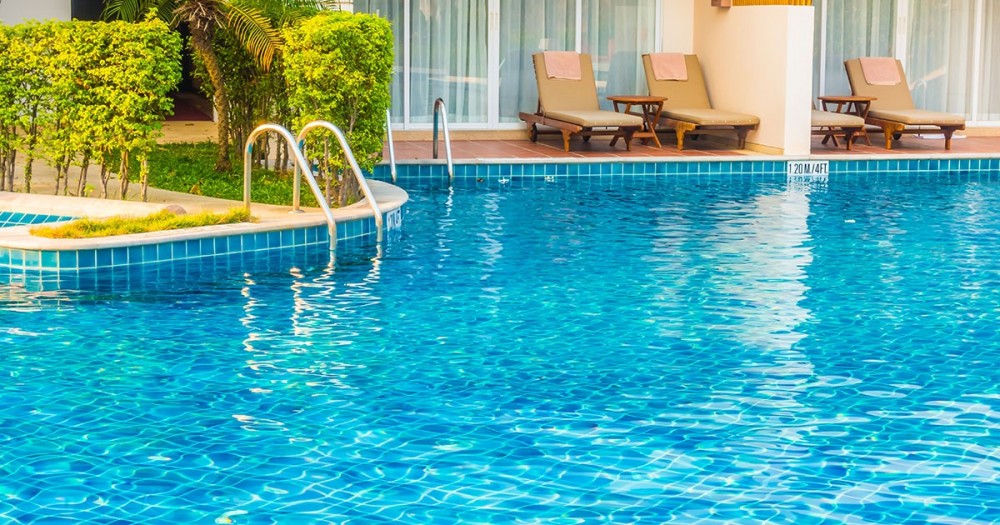
A swimming pool is a wonderful addition to any home, offering relaxation, fun, and a refreshing escape during hot weather. However, with the luxury of owning a pool also comes the responsibility of ensuring safety, especially if you have children or pets. One of the most effective ways to enhance pool safety is through proper swimming pool fence installation. A well-installed pool fence not only helps meet legal safety requirements in many regions but also gives homeowners peace of mind.
Why a Swimming Pool Fence is Important
Every year, accidents occur due to unsupervised access to swimming pools. Children and pets are the most vulnerable, and even a few moments of distraction can lead to tragic consequences. Installing a pool fence acts as a physical barrier that prevents accidental entry, ensuring that only supervised individuals can access the pool area.

In many states and countries, having a pool fence is a legal requirement. Local building codes often specify the type, height, and gate mechanism necessary to meet safety standards. Therefore, beyond being a precautionary measure, pool fencing can also save homeowners from potential fines and liabilities.
Choosing the Right Pool Fence
When it comes to pool fences, homeowners have several options. The choice depends on safety needs, aesthetics, budget, and local regulations. Here are the most popular types of pool fences:
- Mesh Pool Fencing
- Lightweight, transparent, and removable.
- Provides excellent visibility while keeping children and pets out.
- Cost-effective and easy to install.
- Glass Pool Fencing
- Stylish and modern, often used for luxury pools.
- Provides clear visibility while blending with outdoor décor.
- Requires professional installation and regular cleaning.
- Aluminum or Metal Pool Fencing
- Durable, low-maintenance, and available in many designs.
- Resistant to rust and weather conditions.
- Often used in permanent installations.
- Wood Pool Fencing
- Provides privacy and a natural look.
- Requires regular maintenance such as sealing or painting.
- May not be suitable for all climates.
- Vinyl Pool Fencing
- Affordable, durable, and available in various styles.
- Easy to clean and maintain.
- Offers a balance between functionality and aesthetics.
Key Features of a Safe Pool Fence
No matter which type of pool fence you choose, there are essential features to consider:

- Height: Most local codes require a pool fence to be at least 4 feet (1.2 meters) tall, though some areas mandate 5 feet.
- Gates: Gates should be self-closing and self-latching, with latches placed high enough to be out of reach of children.
- Gaps: Spaces between fence posts or panels should be small enough to prevent children or pets from squeezing through.
- Climb-Resistant Design: Avoid horizontal bars or features that make it easy to climb over the fence.
The Installation Process
While professional installation is recommended to ensure compliance with safety standards, understanding the process can help you make informed decisions:
- Planning & Measuring
- Assess your pool area and determine the best placement for the fence.
- Take accurate measurements, considering access points and landscaping.
- Marking & Layout
- Use markers or string lines to outline the fence path.
- Ensure gates are positioned in convenient yet safe locations.
- Post Installation
- Dig holes for fence posts, usually 2–3 feet deep depending on soil stability.
- Secure posts with concrete for maximum stability.
- Panel or Material Attachment
- Attach the chosen fencing material (mesh, glass, metal, etc.) to the posts.
- Check for secure fittings and ensure there are no large gaps.
- Gate Installation
- Install gates with self-closing hinges and self-latching locks.
- Test the mechanism to ensure it functions smoothly and securely.
- Inspection & Finishing Touches
- Inspect the entire fence for stability, gaps, or potential hazards.
- Add finishing touches such as protective caps on posts or decorative elements.
Maintenance and Care
A swimming pool fence requires regular maintenance to ensure its durability and effectiveness. For example:
- Glass fences should be cleaned frequently to remove water spots and maintain transparency.
- Wood fences need sealing or painting to prevent rot and warping.
- Metal fences should be inspected for rust and repainted if necessary.
- Mesh fences should be checked for tears or loosened fastenings.
Benefits Beyond Safety
Apart from enhancing safety, installing a pool fence has other benefits:
- Legal Compliance: Meets local building codes and avoids penalties.
- Privacy: Certain types of fences, like wood or vinyl, add privacy to your pool area.
- Aesthetic Appeal: Glass and aluminum fences can elevate the look of your outdoor space.
- Property Value: A properly installed pool fence can increase your home’s value by making it more family-friendly.
Conclusion
Installing a swimming pool fence is not just about meeting regulations—it’s about protecting the people you care about most. With the wide range of fencing options available today, you can find a solution that fits your budget, enhances safety, and complements your backyard’s style. Whether you choose a sleek glass fence or a practical mesh design, the key is professional installation and regular maintenance. By investing in a secure pool fence, you can enjoy your swimming pool with peace of mind, knowing that safety and style go hand in hand.





