
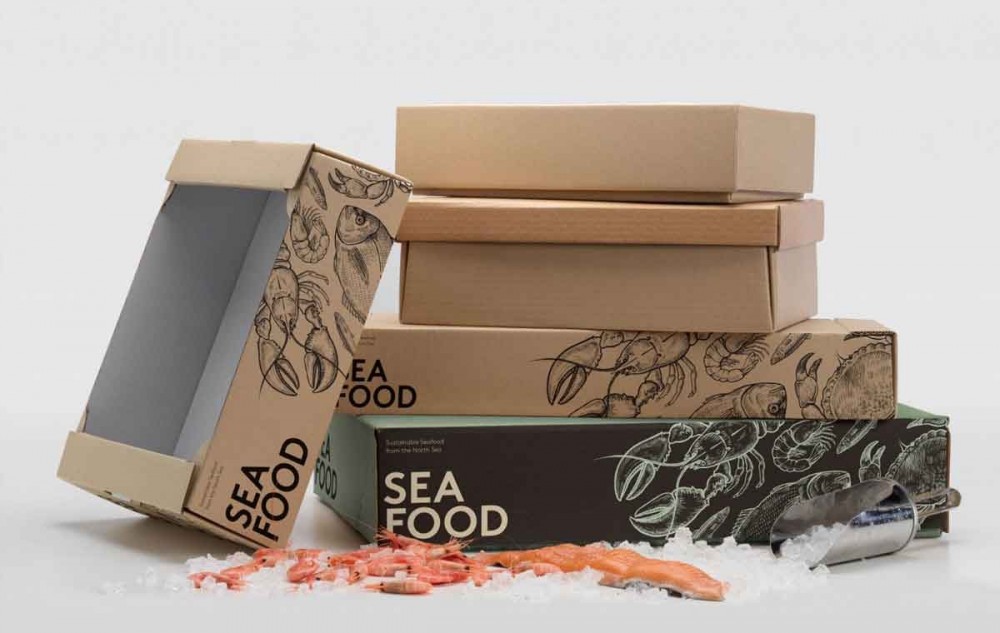
Custom food packaging has evolved over the years, transforming from simple containers into a powerful marketing tool for brands. In 2025, its role continues to expand, and the demand for innovative packaging solutions is higher than ever. Custom food boxes not only protect the product but also communicate a brand's identity to consumers. As sustainability becomes a priority, packaging solutions are shifting towards eco-friendly materials that align with consumer expectations. The focus is on providing a convenient, functional, and visually appealing design that enhances the product’s value while reducing environmental impact. With more brands adopting personalized packaging, it’s clear that custom food packaging is no longer just about utility; it’s about making a statement.
Sustainability: The Primary Focus for Custom Food Packaging
Sustainability remains a top trend in custom food packaging for 2025. As environmental awareness grows, consumers demand more eco-friendly products. Custom food boxes made from biodegradable, recyclable, and compostable materials are gaining popularity. Brands are now focusing on reducing plastic use by switching to plant-based plastics, paper, and cardboard alternatives. In addition, the shift toward minimalistic designs, where the packaging serves its purpose without excess material, is becoming more common. By choosing custom food packaging that prioritizes sustainability, brands can appeal to environmentally-conscious customers and strengthen their commitment to reducing their carbon footprint.
Advanced Printing Techniques for Custom Food Boxes
Printing technology plays a vital role in the creation of custom food boxes. In 2025, advanced printing techniques such as digital printing, flexography, and offset printing are being used to create high-quality, visually striking designs. These technologies allow food brands to print intricate details and vibrant colors on custom food packaging, making it easier to stand out on crowded store shelves. Digital printing, in particular, offers flexibility in smaller runs of customized packaging, reducing the cost for brands to experiment with different designs. Whether it’s a limited-edition product or a seasonal offering, these advanced printing methods provide brands with the ability to make each package unique and attractive.

Smart Packaging: The Future of Custom Food Boxes
As technology continues to progress, smart packaging is making its way into custom food packaging. By 2025, smart packaging will be more common in food items, offering both convenience and enhanced customer experiences. Custom food boxes may feature embedded QR codes, NFC (Near Field Communication) chips, or RFID tags that provide consumers with more information about the product. These innovations allow brands to engage with their customers in real-time, offering them product details, nutritional information, or even recipes based on what’s inside the packaging. Moreover, smart packaging can help track the product’s journey, ensuring consumers can verify its authenticity and quality.
Personalization and Customization in Food Packaging
Personalization continues to be a key trend in 2025, with food brands increasingly offering customized packaging tailored to individual customers. Custom food boxes with names, messages, or images are becoming more popular, particularly in gift sets, special occasions, or promotional offers. This level of personalization creates a deeper emotional connection between the brand and the consumer. Food packaging companies are also incorporating design elements that can be personalized in real-time through online platforms, where customers can design their own packaging with ease. This trend is not only an effective marketing tool but also boosts the overall consumer experience, making food products more memorable and unique.
Minimalist Packaging: Less is More
Minimalist packaging continues to gain traction in 2025, especially for custom food boxes. The less-is-more approach appeals to consumers who prefer simplicity and elegance. Clean lines, simple typography, and muted colors are replacing overly complicated designs. This trend is also being driven by the need for more sustainable packaging solutions. By reducing excess material and focusing on the essential elements, brands can produce packaging that is both environmentally friendly and aesthetically pleasing. Minimalist custom food boxes can help brands project an image of sophistication while reducing the environmental impact of their packaging.
The Rise of Transparent Packaging
Consumers are becoming more aware of the quality and authenticity of the products they purchase. This awareness has driven the rise of transparent custom food packaging. In 2025, clear packaging materials like PET and PVC are increasingly being used for custom food boxes. These transparent solutions allow customers to see the actual food product before purchase, instilling confidence in its quality and freshness. Transparency also aligns with the growing demand for transparency in food sourcing and production. Brands that use transparent packaging build trust with their customers, demonstrating their commitment to honesty and quality.
Eco-Friendly Inks and Coatings in Custom Food Packaging
Alongside sustainable materials, eco-friendly inks and coatings are becoming an essential part of custom food packaging. As brands focus on reducing their environmental footprint, eco-friendly inks made from vegetable oils or water-based solutions are replacing traditional petroleum-based inks. These environmentally safe alternatives ensure that the packaging can be safely recycled or composted. Additionally, eco-friendly coatings are being used to protect custom food boxes, offering water, grease, and moisture resistance without compromising on sustainability. This trend is expected to continue growing in 2025, as food brands adopt more green practices in all aspects of their packaging.

Innovative Closure Mechanisms in Custom Food Boxes
Closure mechanisms are evolving in custom food packaging. Traditional adhesive tapes and plastic seals are being replaced with more innovative and sustainable options. In 2025, we expect to see a rise in custom food boxes that feature reusable or resealable closures, such as zip locks, magnetic flaps, and Velcro strips. These mechanisms help extend the shelf life of products while also improving convenience for consumers. Reusable closures are a great option for eco-conscious customers who want to reduce waste, as they can use the packaging multiple times before disposing of it.
Enhanced Functionality with Custom Food Packaging
Food packaging is no longer just about protecting the product; it's also about enhancing its functionality. In 2025, we will see more custom food boxes that incorporate features designed to improve the user experience. For example, some custom packaging will include compartments for sauces, condiments, or utensils, making it more convenient for consumers on the go. Other custom food boxes will be designed for specific food types, such as temperature-controlled boxes for hot or cold meals, which maintain the ideal temperature until they reach the customer. These functional features not only improve convenience but also demonstrate a brand’s commitment to providing a superior customer experience.
Interactive and Engaging Packaging Designs
In 2025, custom food packaging will continue to embrace interactive designs that engage customers on a deeper level. From augmented reality (AR) experiences to gamified packaging, brands are incorporating technology to make their custom food boxes more interactive. For example, customers may scan a package with their smartphone to access hidden content like recipes, product information, or brand stories. This kind of interactive packaging creates a unique experience that enhances the consumer's connection with the brand. As consumers seek out more immersive and engaging experiences, this trend is expected to expand significantly in 2025.
Packaging that Supports Health and Wellness
As consumers prioritize health and wellness, food packaging is adapting to meet these needs. Custom boxes are being designed with features that highlight nutritional benefits, provide portion control, or even promote health-conscious messaging. With the rise of plant-based and organic food products, custom food packaging now often includes clear labels that highlight ingredients, calorie counts, and sourcing information. Packaging that promotes health and wellness can also incorporate eco-friendly materials that align with customers' desire for sustainable and healthy options. In 2025, we expect to see more brands offering packaging that aligns with consumer preferences for natural, organic, and health-focused food products.





