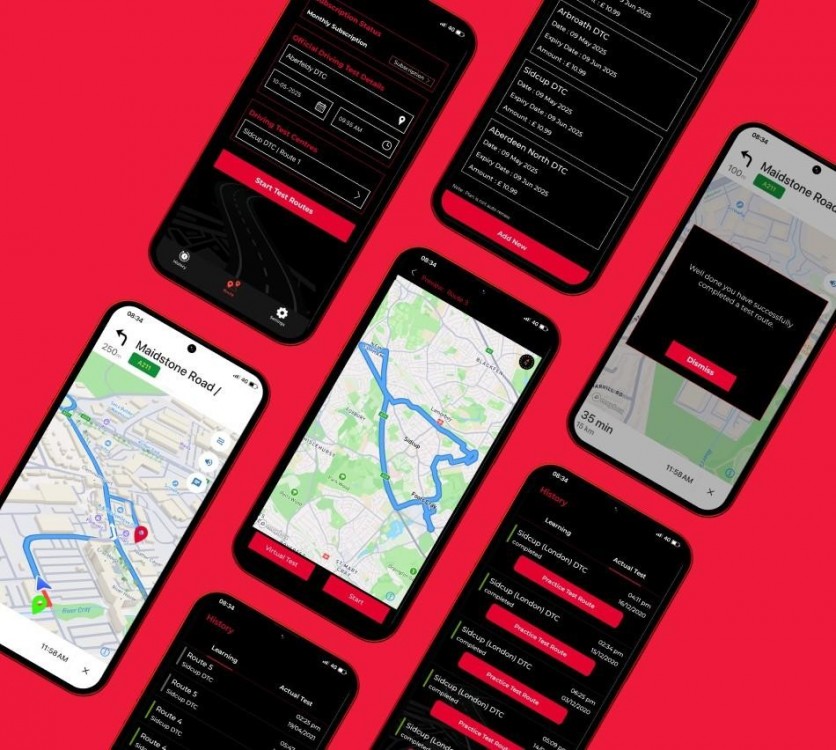
Passing a driving test is often one of the most significant milestones in a person’s life. For many, the thought of sitting behind the wheel with an examiner by their side can be both exciting and nerve-wracking. While driving skills and safety awareness are key factors in success, preparation plays an equally important role. Beyond standard lessons and practice drives, one effective way to prepare is by downloading driving test routes.
These routes are more than just maps; they are structured pathways created to assess real-world driving abilities. Having access to them provides learners with the ability to practise in conditions that closely resemble the actual test. This blog explains why downloading driving test routes offers a clear advantage, how to use them effectively, and why they should be an essential part of your preparation journey.
The Challenges Learners Face in Driving Tests
Driving tests are designed to challenge a learner’s ability to adapt to varied conditions. However, many candidates find themselves overwhelmed by the unknown.

- Nerves and anxiety: Even skilled drivers can struggle under pressure. Nervousness often leads to rushed decisions or forgotten procedures.
- Unfamiliar surroundings: Being directed through roads you have never driven on can add unnecessary difficulty to an already high-pressure situation.
- Common mistakes: Errors such as hesitation at roundabouts, misjudging junctions, or missing speed-limit changes often occur when learners are surprised by the road ahead.
While regular lessons provide the foundation, tackling unfamiliar routes during the test can create unnecessary stress. Preparation that includes knowledge of potential routes reduces this uncertainty, giving learners a better chance to show their true driving ability.

What Are Driving Test Routes?
Driving test routes are pre-planned paths that examiners follow to assess learners. Each route incorporates a variety of road types and challenges designed to test overall driving competence.

They may include:
- Busy roundabouts
- Dual carriageways
- Residential streets with parked cars
- Pedestrian crossings
- Junctions requiring quick decision-making
These routes are not meant to catch learners out but to ensure that they can manage real-world traffic safely and effectively. Practising on the same or similar routes beforehand helps candidates gain confidence in handling these scenarios.
Benefits of Downloading Driving Test Routes
The decision to download driving test routes can transform the way learners prepare. The benefits are practical, psychological, and strategic.
- Familiarity with Roads
Driving on routes that mirror those in the test helps you anticipate different types of road layouts. Whether it is managing roundabouts, recognising changes in speed limits, or handling tight residential corners, this familiarity reduces hesitation. - Reduced Stress
Knowing where you might be asked to drive takes away much of the fear of the unknown. This confidence allows you to focus on executing safe driving rather than worrying about sudden surprises. - Identifying Hazard Points
Every area has challenging spots: blind junctions, busy pedestrian crossings, or awkward bends. Practising these specific sections means you can approach them with confidence during the test. - Improved Confidence
When learners feel prepared, they drive more naturally. This confidence helps showcase skill and composure, both of which examiners look for in a successful candidate. - Time Efficiency
Driving lessons are an investment, and using them efficiently matters. By focusing practice sessions on actual or likely test routes, learners can use time and money wisely.
Together, these benefits underline why downloading driving test routes can significantly improve your readiness.
Why Use Digital Tools to Prepare
Today, technology plays a huge role in how learners prepare for their driving tests. Digital resources such as mobile apps provide structured, accessible, and convenient ways to build confidence.
One of the most effective tools is the best driving test app. These apps often include maps of test routes, hazard perception tools, and step-by-step instructions. The ability to combine downloaded routes with digital navigation makes preparation more comprehensive.
In addition, digital tools allow learners to:
- Save and revisit routes for repeated practice
- Combine GPS guidance with real-time driving
- Track progress over time
- Access multiple routes in one place
With smartphones and satnav devices, driving test preparation has never been more streamlined. Using a combination of downloaded routes and digital platforms helps ensure that no aspect of preparation is overlooked.
How Downloading Routes Works
Downloading routes is straightforward and quick. Most learners can access them through apps, websites, or direct downloads for their devices.
Step-by-step overview:
- Choose your preferred platform (mobile app, satnav, or website).
- Select the test centre of your choice.
- Download the available routes to your device.
- Open the route on your satnav or phone while practising.
- Follow the route in real traffic conditions to gain familiarity.
These routes are designed for compatibility with various devices, including smartphones, tablets, and navigation systems. Within minutes, learners can begin practising confidently.
Tips for Using Driving Test Routes Effectively
Simply downloading the routes is not enough; how you use them matters. Here are some practical tips:
- Balance with broader skills: Do not rely solely on memorising routes. Practise general driving techniques such as safe lane changes, clutch control, and hazard awareness.
- Focus on traffic flow: Pay attention to how vehicles move around junctions, roundabouts, and pedestrian crossings. Understanding patterns is more valuable than rote learning.
- Practise at varied times: Conditions change throughout the day. Morning rush hour differs from late afternoon traffic, so try routes in different scenarios.
- Seek instructor input: Driving instructors can help highlight weak points and suggest areas to improve. Their guidance ensures balanced learning.
Using downloaded routes effectively combines familiarity with adaptability, ensuring learners are prepared for any challenge.

Myths About Using Driving Test Routes
Some misconceptions exist around the idea of using test routes during preparation. It is important to address them clearly:
- “It makes the test too easy.” In reality, routes only provide familiarity. The test still measures decision-making, safety, and adaptability.
- “Examiners notice if you know the route.” Examiners assess driving skills, not whether you recognise the roads. Confidence often improves performance rather than harming it.
- “Routes never change.” Test centres may update routes, but the types of challenges remain consistent. Preparing on existing routes still provides significant value.
By understanding these myths, learners can approach route downloads with realistic expectations.
Why This Gives Learners a Clear Advantage
Ultimately, the purpose of preparation is to build confidence and competence. Downloading routes contributes directly to both.
- Learners who practise on these routes know what to expect.
- Confidence improves when challenges are familiar.
- Stress levels decrease, allowing learners to concentrate fully on safe driving.
- Preparation becomes more focused, avoiding wasted effort.
This combination provides a clear advantage. Instead of stepping into the unknown, learners enter the test with the knowledge and skills needed to succeed.
Conclusion
Preparation is the foundation of success in any driving test. While lessons and independent practice build core skills, downloading driving test routes offers a practical way to reduce uncertainty and build confidence. Combined with tools like the best driving test app, these resources allow learners to practise effectively, identify potential challenges, and approach the test day with composure.
For learners who want the best chance of passing, making downloaded routes part of their preparation is a smart step forward.
At Test Routes, we are committed to providing learners with the resources they need for success. With the right preparation, you can approach your driving test not with nerves, but with the confidence that comes from practice and knowledge.