

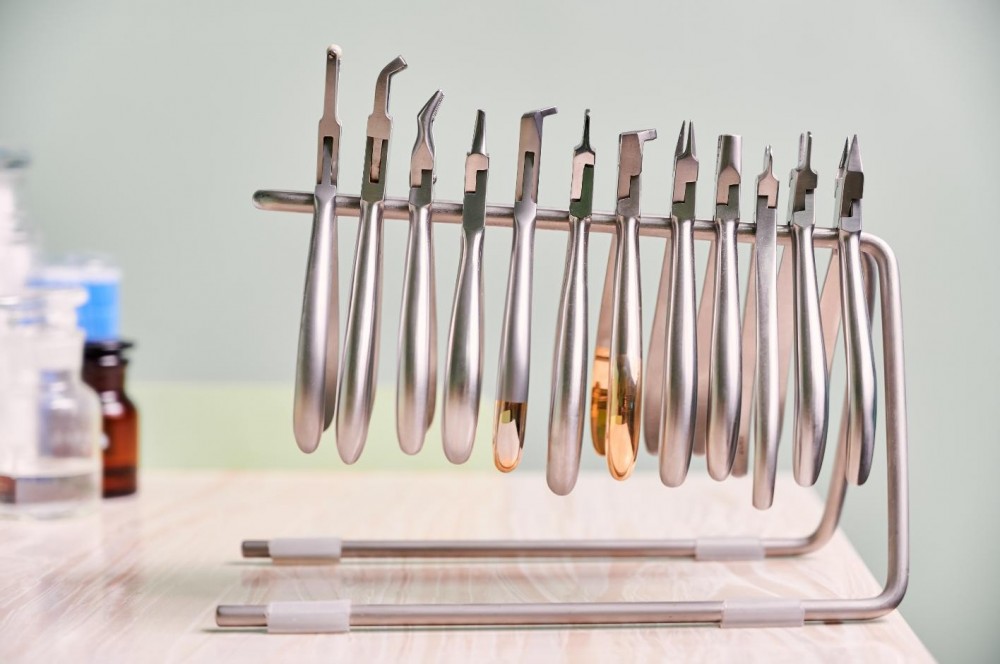
Imagine that your clinic is full of patients, you have bought all the dental instruments online at hand and trust every touch. Next, picture the opposite happening abruptly, a handpiece that stopped working in the middle of a procedure, or your steriliser stopped working. It's not the time when you cannot work, but it affects the trust and money. However, there is a straightforward solution: daily routines not only maintain your equipment but also allow your practice to continue for a long time with the same instrument.
Why Daily Care Matters
The processes of autoclaving, sterilisation, scrubbing, and other processes associated with infection control, along with routine cyclic use, greatly contribute to the wear and tear of dental instruments, handpieces and equipment. In a dental practice, failure to monitor handpieces results in their seizing and the equipment becoming inoperative and dull. Preventative measures not followed will culminate in dental practice equipment failures, heightened maintenance, and neglected operational safety standards. Following the recommendations of equipment safety advisory professionals, the equipment safety specialists recommend routine maintenance and servicing as a low-effort, high-return approach to bolster equipment safety. This approach to safety turns simple maintenance routines into equipment safety, operational reliability, and enduring performance.
10 Daily Habits That Protect Your Investment
1. Clean Right Away, Every Time
The solid matter should be washed off after use, before it dries. Moreover, use a gentle detergent and always adhere to the CDC's multi-step method of reprocessing. Cleaning, disinfection and sterilisation, in that order and with the procedures for critical, semicritical and non-critical items.

2. Sterilise with Purpose
Run autoclaves with full cycles and check physical and chemical indicators every day. Log results for traceability and uptime.
3. Inspect Each Piece Before and After Use
Scan hands and instruments for chairs and cords with cracks, residues, dullness, and corrosion. Dents and hinge stiffness or frayed tubing get flagged.
4. Lubricate According to Manufacturer's Instructions
On handpieces and hinges, use recommended lubricant after cleaning but before sterilisation. Don’t skip, and don’t overdo it. Proper lubrication helps with heat and lowers friction.
5. Respect Drying and Cool-Down Times
Maintaining equipment cool-down time protects sterilised sections. Do not splash cold water on hot instruments or use them while warm.
6. Wipe and Cover Surfaces and Equipment
To clean chair arms, light handles, and any surfaces which require a quick touch, use microfiber cloths that have been prepped with approved cleaners. For protecting against both wear and contamination, use disposable barriers in those areas where they are required.

7. Flush Waterlines and Change System Water
Ultrasonic scaler water should be changed daily, and bottles must be air-dried before refilling. This practice helps counter biofilm and bacterial accumulation.
8. Log Daily Maintenance
Capture tasks such as cleaning and lubrication in logs. Simple electronic and paper logs bolster pattern detection and help reinforce consistency.
9. Handle Tools with Care
Train your staff to ensure that objects are not dropped; put trays underneath for transport; and scalers should never be used to open pouch seals. Mishandling leads to accelerated, often irreparable wear.
10. Define Retirement Rules
Define preemptive sharpening or retirement rules based on set age or usage limits, like 20% tip wear. Many users delay responding to warnings like extensive wear on handpieces, oblivious to the fact that they can endure around 500 sterilisations before losing function.
Why These Habits Work—Fast
Straightforward care is a more efficient way to distribute the workload rather than dividing it into smaller parts. According to the results, the regular daily activities have a great impact on the delay of the cutting tools wear; reduce emergency service calls, and extend equipment lives by years. Warranties usually come with maintenance requirements, which, in a way, ensure that the provider's coverage is also protected.
Wrapping Up with Impact
You don't need to change everything at once—begin with a habit when you buy dental instruments online. Clean, check, document, and monitor each day as your systems surpass your expectations—now, add something new every day. Strong routines minimise spending, enhance safety, and allow your clinic to prioritise what truly matters: patient care, not system failures. Are you ready to ensure that these habits become permanent and protect your investment? Get a hard copy of this list, place it in the room, and share it with every member of the team. Consistent care translates to increased reliability.





