

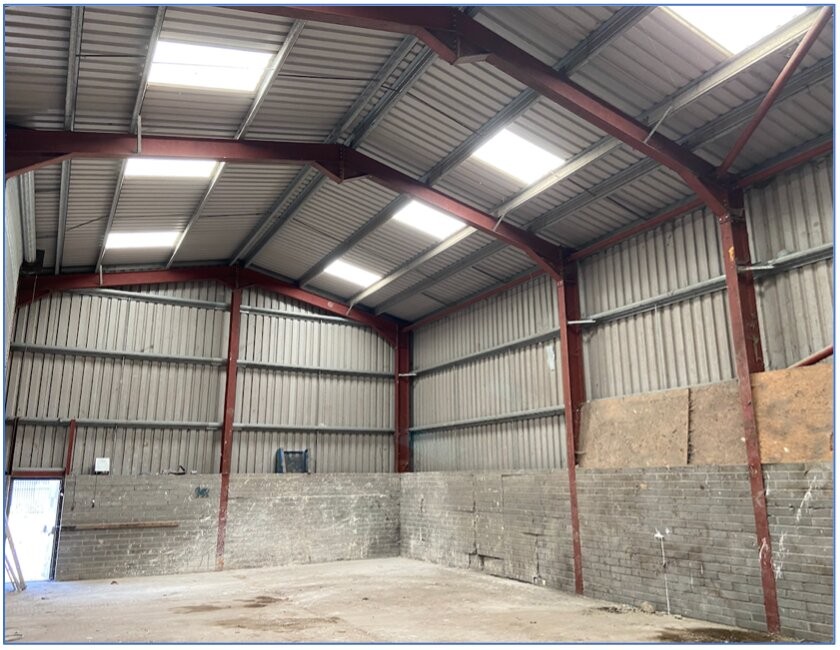
Agricultural buildings such as barns, storage sheds, livestock facilities, and greenhouses require efficient insulation to control temperature, protect equipment, and reduce operating costs. Standard insulation methods often fail to meet the unique demands of agricultural environments where moisture, air movement, and seasonal extremes are constant challenges. Agricultural insulation services improve thermal control, extend building life, and contribute to healthier conditions for animals and stored products.
Agricultural Insulation Directly Impacts Productivity
Insulation in agricultural facilities is more than a matter of comfort. It directly influences animal health, crop storage, and equipment longevity. Without adequate insulation, energy systems must work harder, leading to higher costs and inconsistent performance. Farmers and property owners increasingly view insulation as an investment in operational stability.
Energy demand in agricultural buildings
Agricultural operations often run year-round. Heating systems in cold regions and cooling systems in hot climates both strain budgets if insulation is weak. Proper insulation reduces fluctuations, stabilizes indoor temperatures, and lowers the demand on HVAC or ventilation systems.

Impact on animal and crop conditions
Livestock raised in poorly insulated barns face stress from temperature swings, which can lower productivity and increase veterinary costs. Stored crops or grains may develop mold when condensation forms inside unsealed walls. Insulation acts as a preventive measure against these issues.

Types of Specialized Insulation for Agricultural Structures
Several insulation types are available for agricultural use. Each material carries unique strengths in moisture resistance, thermal performance, and durability.
Spray foam insulation for barns and sheds
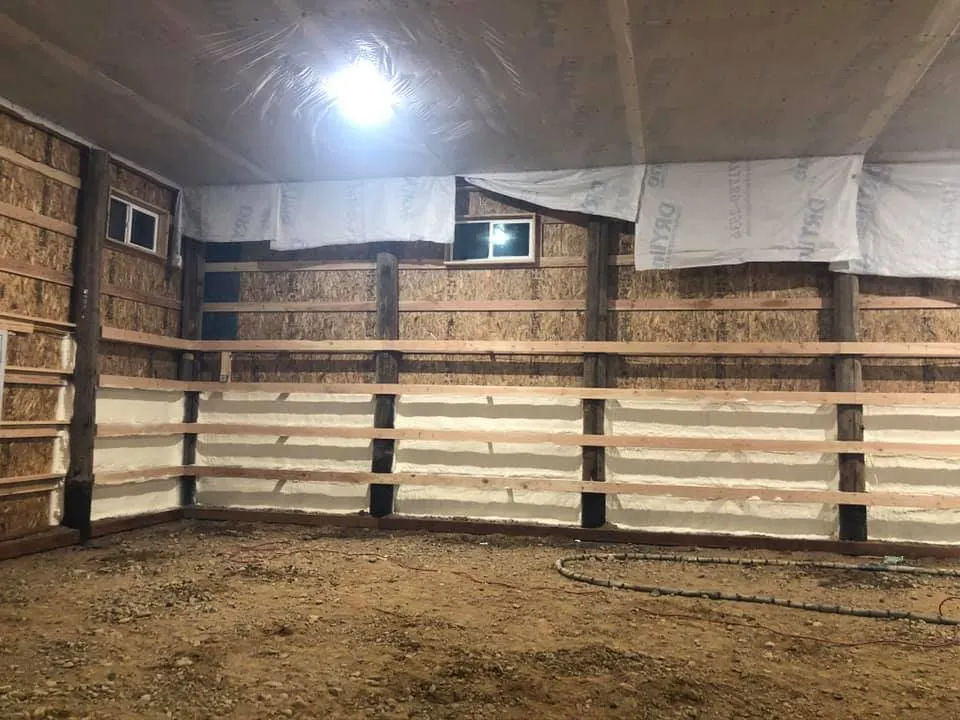
Closed-cell spray foam delivers high R-value and air sealing in one application. Its ability to resist moisture makes it well suited for barns and grain storage areas. In addition, it reinforces structures by adding rigidity to walls and ceilings.
Fiberglass and mineral wool insulation
Fiberglass and mineral wool are common for less moisture-prone areas. They provide solid thermal resistance and acoustic control but require vapor barriers to prevent condensation. In agricultural facilities where humidity is frequent, additional protective measures are needed.
Reflective and radiant barrier insulation
In hot climates, reflective insulation helps reduce solar heat gain in greenhouses and metal-clad barns. It is often installed beneath roofing systems to keep interior temperatures lower during peak summer.

Comparison of Insulation Options
|
Insulation Type |
Best Use Case |
Advantages |
Limitations |
|---|---|---|---|
|
Spray Foam |
Livestock barns, grain storage, cold climates |
High R-value, moisture barrier, structural reinforcement |
Higher upfront cost |
|
Fiberglass |
Storage sheds, low-humidity barns |
Cost-effective, widely available |
Loses performance if wet |
|
Mineral Wool |
Equipment housing, fire-sensitive areas |
Fire-resistant, sound absorption |
Requires vapor barrier |
|
Reflective Barriers |
Greenhouses, metal roofs |
Heat reflection, lightweight |
Limited cold-weather use |
Moisture Control and Condensation Prevention
Moisture presents one of the greatest risks to agricultural buildings. Condensation damages structural materials, degrades stored goods, and encourages bacterial growth in animal environments. Insulation plays a central role in preventing moisture buildup.
Air sealing as the first defense
Gaps and leaks in barns or storage facilities allow warm, moist air to collide with cold surfaces, leading to condensation. Spray foam insulation effectively seals these pathways, preventing uncontrolled airflow.
Vapor barriers and protective layers
Mineral wool or fiberglass systems require vapor barriers to block moisture transfer. Proper installation ensures these barriers remain intact during daily use, reducing maintenance costs and extending insulation lifespan.
Long-Term Economic and Operational Benefits
The financial case for agricultural insulation rests on reduced energy bills, lower equipment wear, and better productivity. For both small farms and large-scale commercial facilities, specialized insulation pays for itself through operational savings.
Lower heating and cooling expenses
Insulated barns and greenhouses maintain stable conditions with less mechanical energy. Heating systems cycle less often, and cooling fans operate more efficiently, leading to measurable savings.
Extended building lifespan
Agricultural structures face constant exposure to weather extremes. Insulation reduces thermal stress on walls, roofs, and framing materials. This slows deterioration and cuts down on repair frequency.
Improved worker and livestock conditions
Stable indoor environments improve worker comfort and livestock performance. Dairy cows, for example, yield more milk when not exposed to heat stress, while poultry flocks benefit from fewer losses during extreme temperature events.
Sustainability in Agricultural Insulation Choices
Environmental responsibility is growing within agriculture, and insulation directly ties into sustainable practices. Choosing materials and systems that balance performance with ecological impact supports long-term resource management.
Energy efficiency as a sustainability metric
Energy savings from well-insulated buildings reduce fuel and electricity consumption, lowering greenhouse gas emissions associated with agricultural operations.
Recyclable and durable materials
Mineral wool and certain fiberglass products are manufactured with recycled content. Spray foam, though synthetic, provides decades of performance, minimizing replacement needs and waste.
Common Question: How Should Agricultural Building Owners Choose the Right Insulation?
The right insulation depends on building function, climate conditions, and long-term maintenance goals. Barns housing animals require both thermal stability and moisture protection, making spray foam or mineral wool strong candidates. Storage buildings may prioritize cost-efficiency, where fiberglass works well if combined with vapor barriers. Greenhouses, meanwhile, often benefit from reflective insulation to control solar gain.
Evaluating these needs before installation ensures insulation systems provide consistent performance without unnecessary expense.
Conclusion
Agricultural buildings face unique challenges where temperature swings, moisture, and durability requirements all intersect. Specialized insulation solutions address these issues more effectively than conventional residential options. From spray foam for barns to reflective barriers in greenhouses, the right system stabilizes conditions, protects stored goods, and reduces operational costs.
Over time, insulation investments translate into higher productivity, extended equipment life, and healthier environments for both animals and workers. Property owners who prioritize insulation planning secure long-term savings and resilience against climate extremes.
FAQs
How does spray foam insulation perform in barns with high humidity?
Closed-cell spray foam resists moisture penetration and provides air sealing, making it effective in humid barn environments. It reduces condensation and supports healthier indoor conditions.
Can reflective insulation work in colder climates?
Reflective insulation is most effective in hot regions where solar gain is a concern. In colder climates, it offers limited thermal resistance and is better paired with other insulation systems.
What role does insulation play in grain storage facilities?
Insulation helps regulate temperature and humidity, reducing spoilage and mold growth in grain storage. Spray foam is often preferred for its sealing properties and moisture resistance.
Is mineral wool suitable for agricultural buildings?
Yes. Mineral wool is fire-resistant, durable, and offers sound absorption, making it a strong choice for equipment housing and animal facilities. It requires proper vapor barriers for long-term performance.
How long does agricultural insulation last?
With proper installation, most agricultural insulation systems last decades. Spray foam typically offers the longest performance life, while fiberglass and mineral wool may need maintenance if exposed to moisture.
Author
Skeeter Aimone, co-founder of High Country Solutions, develops eco-friendly products to improve sustainability in outdoor gear. Brad Morrison leads the company’s technology strategy, creating systems that enhance outdoor experiences with a focus on environmental responsibility. Established in 2018, they bring years of experience to advancing sustainable outdoor living through high-performance, responsible insulation materials.
Reviewer
Samuel Harris has worked across various roles in spray foam insulation over 11 years. His review focused on how businesses can better present their services to both new and returning clients.





