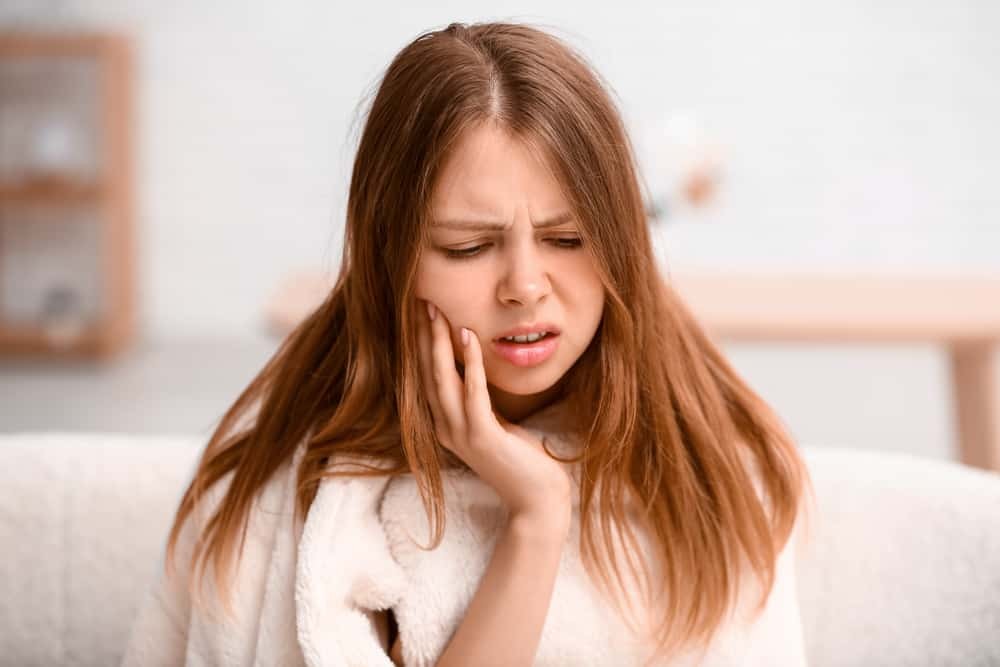
Root canal treatment is often the solution to save a severely infected or damaged tooth. While most patients experience relief after the procedure, some report lingering discomfort, particularly throbbing pain after a root canal. This raises concerns and questions: Is it normal? What causes it? And when should you seek help?
At Dental Advice Today, we aim to provide clear answers, expert guidance, and practical tips to help you understand and manage post-treatment pain effectively.
Why Do You Feel Pain After a Root Canal?
Many people expect instant relief after a root canal. However, it’s not uncommon to feel mild to moderate discomfort in the days following the procedure.

Here are some common reasons behind pain after root canal:
1. Inflammation of Surrounding Tissue
Even though the infected pulp is removed, nearby tissues may remain inflamed for a few days. This can result in throbbing pain after a root canal as your body heals.
2. Sensitivity from Dental Instruments
During treatment, dentists use tools to clean and shape the canals. This sometimes irritates surrounding tissue, causing temporary discomfort.
3. Bite Adjustment Issues
If the filling or crown is slightly higher than your bite, extra pressure on the treated tooth may cause throbbing pain.
4. Infection That Wasn’t Fully Cleared
In rare cases, bacteria may remain inside the tooth or re-enter after treatment, leading to persistent pain after root canal.
Normal vs. Concerning Pain
At Dental Advice Today, we emphasize understanding the difference between normal post-treatment discomfort and pain that requires dental attention.
-
Normal Pain
-
Mild soreness when chewing
-
Throbbing pain lasting 2–4 days
-
Sensitivity to pressure or temperature
-
-
Concerning Pain
-
Severe or worsening throbbing pain after one week
-
Swelling of the gums or face
-
Fever or signs of infection
-
Persistent pain when biting down
-
Relief for Throbbing Pain After a Root Canal
If you’re experiencing discomfort, there are safe and effective ways to manage it at home:
1. Over-the-Counter Pain Relief
Non-prescription painkillers such as ibuprofen or acetaminophen can help ease inflammation and discomfort.
2. Cold Compress
Applying an ice pack on the cheek for 10–15 minutes reduces swelling and numbs pain.
3. Soft Diet
Stick to soft foods and avoid chewing on the treated tooth until it fully heals.
4. Saltwater Rinse
A warm saltwater rinse helps reduce inflammation and prevent infection.
5. Follow Dentist’s Instructions
Always follow post-procedure care instructions provided by your dentist for best results.
When to See a Dentist
Not all pain is normal. According to Dental Advice Today, you should seek professional care if you notice:
-
Pain that intensifies after 4–5 days
-
Large swelling in your gums or jaw
-
Pus or discharge around the treated tooth
-
Pain spreading to the ear, jaw, or neck
-
A loose or broken crown/filling
These symptoms may indicate infection or complications that require immediate dental intervention
Preventing Pain After Root Canal
While some discomfort is unavoidable, certain steps can reduce the risk of complications:
-
Visit an experienced endodontist or dentist
-
Complete all recommended treatment sessions
-
Get a proper crown placed promptly after the root canal
-
Maintain excellent oral hygiene
-
Attend regular dental checkups
Expert Insights from Dental Advice Today
At Dental Advice Today, we often get questions like:
-
“Why do I have throbbing pain after a root canal?”
-
“How long does pain after root canal last?”
-
“When should I worry about my recovery?”
The answer: Most patients recover within a few days, but persistent or severe pain signals a complication. Timely consultation with your dentist ensures successful healing and prevents further damage.
Key Points to Remember
-
Throbbing pain after a root canal is often normal for a few days but should gradually improve.
-
Causes include inflammation, irritation from dental tools, bite issues, or infection.
-
Home remedies such as cold compresses, pain relievers, and soft diets help ease pain.
-
Severe or prolonged pain after root canal requires immediate dental attention.
-
Always follow dentist’s aftercare instructions for a smooth recovery.
Final Thoughts from Dental Advice Today
Experiencing throbbing pain after a root canal can be concerning, but in most cases, it’s part of the normal healing process. However, if the pain persists or worsens, it may indicate an underlying problem that requires professional care.
At Dental Advice Today, we recommend monitoring your symptoms closely, practicing good oral hygiene, and visiting your dentist promptly if you experience ongoing pain. With the right care, a root canal can save your tooth and restore your smile to full health.