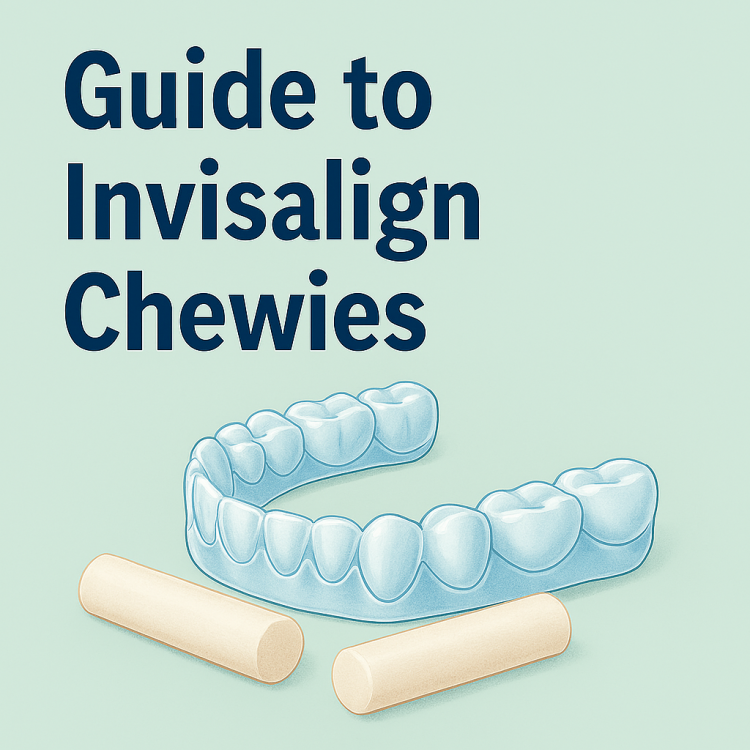
If you're new to the world of Invisalign, you've probably encountered some accessories that seem a bit odd at first glance. Among these are Invisalign chewies – small, cylindrical pieces of soft material that look like they belong in a pet store rather than your orthodontic care kit. Don't worry, they're not dog toys that accidentally ended up in your treatment package. These simple tools play an important role in helping your aligners work effectively and ensuring you get the best possible results from your treatment. Understanding how to use them properly can make a significant difference in your Invisalign journey.
What Are Invisalign Chewies and Why Do You Need Them?
Chewies might look simple, but they serve a crucial function in helping your aligners fit properly and work as intended throughout your treatment process.
The Science Behind Proper Aligner Fit
When you first put in a new set of aligners, they might not immediately settle into the perfect position against your teeth. Small air gaps can form between the aligner and your teeth, which reduces the effectiveness of the treatment. Chewies help eliminate these gaps by encouraging the aligner material to conform closely to the contours of your teeth. Think of it like smoothing out air bubbles under a screen protector – you need that perfect contact for everything to work correctly.
Accelerating Tooth Movement
Proper aligner fit isn't just about comfort; it's essential for the controlled tooth movement that makes Invisalign effective. When aligners fit snugly against your teeth, they can apply the precise pressure needed to guide your teeth into their new positions. Chewies help create this optimal fit, ensuring that the forces designed into each aligner are transmitted effectively to your teeth rather than being absorbed by gaps or loose areas.
When Chewies Become Essential
New aligners often feel tight and may not immediately seat properly, especially if you're moving to a set that represents a significant change from the previous one. Chewies are particularly helpful during the first few days with each new set of aligners, when your teeth are adjusting to their new positions and the aligner material is settling into place.
How to Use Invisalign Chewies Correctly
Using chewies effectively is straightforward, but there are some techniques that can maximize their benefits and ensure you're getting the most from your treatment.
Step-by-Step Usage Instructions
Start by inserting your aligners as you normally would, then place a chewie between your upper and lower teeth in the area where you feel the aligner isn't quite seated properly. Bite down gently and chew for about 5-10 minutes, focusing on different areas of your mouth. The soft material will help push the aligner material against your teeth, eliminating air gaps and ensuring a proper fit. Move the chewie around your mouth systematically, spending extra time in areas where the aligner feels loose or uncomfortable.
Frequency and Duration Guidelines
Most orthodontists recommend using chewies for 10-15 minutes several times throughout the first few days with each new set of aligners. You don't need to chew constantly – think of it more like a focused exercise session for your aligners. Some patients find it helpful to use chewies while watching TV or during other relaxing activities, making the process feel less like a chore and more like part of their routine.

Signs You're Using Them Effectively
You'll know chewies are working when you feel your aligners settling more snugly against your teeth. The initial tightness or pressure from new aligners should feel more evenly distributed rather than concentrated in specific spots. Your aligners should also feel more secure and less likely to pop off when you speak or swallow.
Important Precautions and Best Practices
While chewies are generally safe and beneficial, there are some important guidelines to follow to ensure you're using them safely and effectively.
Cleanliness and Hygiene Considerations
Chewies need to be kept clean just like your aligners. Rinse them with cool water before and after each use, and store them in a clean, dry place. Some patients keep their chewies in the same case as their previous set of aligners, while others prefer a separate small container. Replace chewies regularly – they're not meant to last forever and can harbor bacteria if used for too long without replacement.
Avoiding Overuse and Jaw Strain
While chewies are helpful, it's possible to overdo it. Excessive chewing can lead to jaw soreness or fatigue, especially if you're already adjusting to new aligners. If you experience jaw pain or muscle soreness, reduce the frequency or duration of chewie use. Remember, they're a tool to help your aligners fit properly, not a substitute for proper aligner compliance or wearing time.
When to Contact Your Orthodontist
If you're consistently having trouble getting your aligners to fit properly even with regular chewie use, it's worth discussing with your orthodontic team. Persistent fit issues might indicate that your teeth aren't tracking as expected, or you might need additional guidance on proper usage techniques. Don't struggle in silence – your orthodontist wants your treatment to succeed and can provide personalized advice.
Conclusion
Invisalign chewies might seem like a small detail in your treatment plan, but they can play a significant role in ensuring your aligners work effectively. By helping your aligners achieve optimal fit and contact with your teeth, chewies contribute to more predictable and efficient tooth movement throughout your treatment. If you're starting your clear aligner journey and want to ensure the best possible results, discussing proper chewie technique with your provider of invisalign in Surrey can help you make the most of these simple but effective tools.