

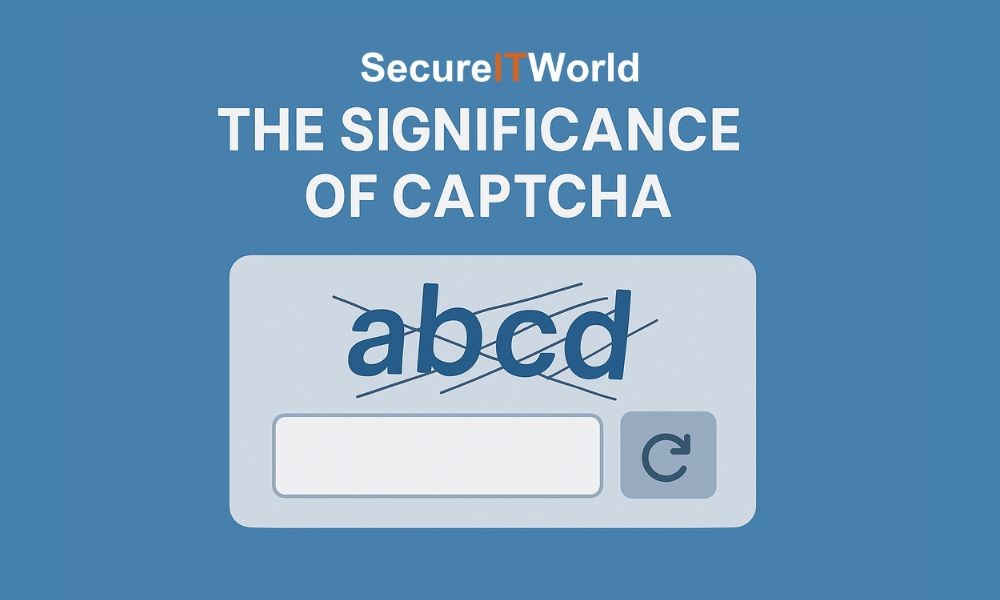
Every day, millions of people browse the internet, log into accounts, shop online, or fill out forms. Behind the scenes, websites face a constant battle against automated bots that attempt to steal data, spam platforms, or even launch cyberattacks. This is where CAPTCHA (Completely Automated Public Turing test to tell Computers and Humans Apart) becomes a crucial line of defense.
The significance of CAPTCHA lies in its ability to separate genuine human users from malicious automated scripts. By asking users to complete simple tasks like identifying objects in images, typing distorted text, or checking a box, websites ensure that only real people gain access. Without CAPTCHA, attackers could flood online forms, brute-force login pages, or scrape valuable data at massive scale, leading to breaches and system overloads.
CAPTCHA has evolved over the years. Early versions relied on text-based challenges, while modern solutions like reCAPTCHA use more advanced methods such as behavior analysis, risk scoring, and image selection tasks. This evolution ensures that CAPTCHAs remain effective, even as bots grow smarter and more capable.

For businesses, CAPTCHAs play a vital role in safeguarding their digital presence. They help reduce fraudulent signups, protect sensitive user accounts, and maintain trust in online platforms. For users, they provide peace of mind, ensuring that the services they interact with are shielded from automated abuse.
However, not every CAPTCHA is what it seems. Cybercriminals are now creating deceptive Fake Captcha Scams, tricking users into thinking they are completing a legitimate verification step. Instead, these fake prompts can redirect victims to phishing websites or trigger malicious downloads. Being able to identify and avoid such scams is just as important as understanding CAPTCHA’s protective role.
At its core, CAPTCHA is not just a nuisance before you access a website — it’s a guardian of online security. As threats continue to evolve, so will CAPTCHAs, ensuring that humans, not bots, remain in control of the internet.





