

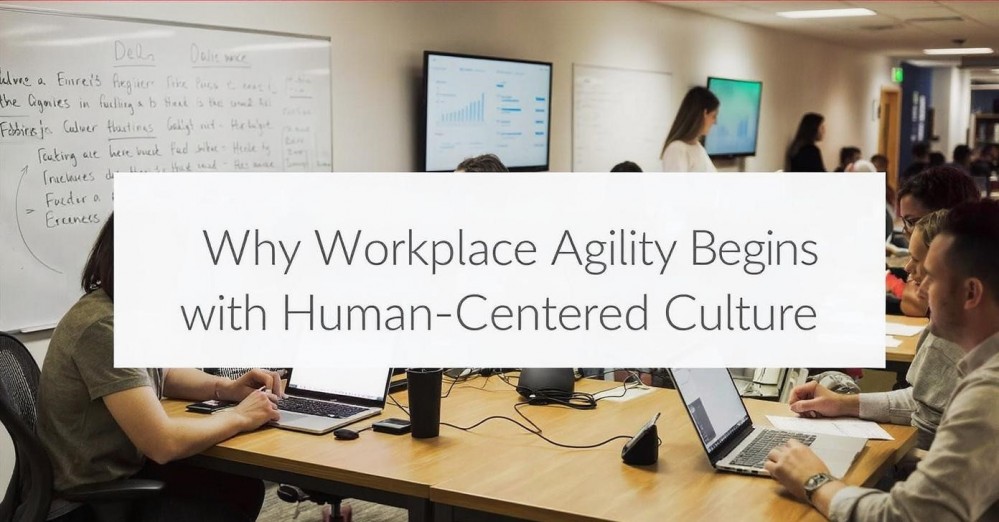
In the modern business world, rapid technological evolution, shifting market demands, and evolving workforce expectations require organizations to respond quickly and effectively. Static processes and hierarchical structures are no longer sufficient. This is where workplace agility becomes essential. Agility allows organizations to adapt to change, innovate, and maintain productivity. Yet, agility is not just about tools, frameworks, or methodologies—it starts with people. Workplace agility begins with Human-Centered Culture, emphasizing employee well-being, engagement, and empowerment as the foundation of organizational resilience and growth.
What is Workplace Agility?
Workplace agility refers to the ability of an organization to respond promptly to changing circumstances, whether internal or external, while maintaining performance and achieving strategic objectives. Agile workplaces foster collaboration, flexibility, and continuous learning. Teams are empowered to make decisions, adapt strategies, and innovate in real-time. While processes, project management frameworks, and digital tools can facilitate agility, the true enabler is an engaged and empowered workforce. Without a human-centered culture, even the best agile practices may fail to deliver results.

Understanding Human-Centered Culture
A human-centered culture prioritizes employees’ experiences, growth, and overall well-being. It is built on trust, inclusivity, recognition, and support. Organizations that adopt this approach understand that their people are the primary drivers of innovation and adaptability. Employees who feel valued and psychologically safe are more likely to contribute ideas, embrace change, and collaborate effectively. This culture is the backbone of sustainable workplace agility, enabling teams to respond effectively to disruptions while maintaining morale and performance.
Culture as the Foundation of Agility
The link between human-centered culture and workplace agility is inseparable. Agile methodologies or sophisticated digital tools alone cannot foster true adaptability. Employees need to feel empowered to take ownership, experiment, and make decisions without fear of punitive consequences. A culture built on trust, recognition, and open communication reduces resistance to change and encourages proactive problem-solving. Organizations that focus on people cultivate the mindset and behaviors necessary for agility.
The Role of Leadership in Human-Centered Agility

Practical Steps to Build a Human-Centered Culture
Prioritize Employee Well-Being: Implement wellness programs, mental health initiatives, and flexible work arrangements to support employees’ physical and emotional health.
Encourage Open Communication: Create transparent channels for employees to share ideas, feedback, and concerns. Open dialogue fosters trust and collaboration.
Invest in Continuous Learning: Offer training, mentorship, and professional development programs to equip employees with skills needed to navigate change effectively.
Recognize and Reward Contributions: Appreciation programs boost morale, reinforce positive behaviors, and motivate employees to embrace innovation and change.
Foster Inclusivity and Collaboration: Diverse, inclusive teams enhance problem-solving, creativity, and decision-making, supporting an agile workforce.
Technology as an Enabler
While technology facilitates communication, collaboration, and operational efficiency, it cannot replace the human-centered approach. Tools and digital platforms should complement culture, empowering employees and supporting agile processes. When implemented thoughtfully, technology enhances decision-making, streamlines workflows, and allows employees to respond rapidly to challenges, reinforcing organizational agility.
Measuring the Impact of Human-Centered Culture
Organizations can assess the effectiveness of human-centered culture through metrics such as employee engagement, retention, innovation output, and adaptability to change. High engagement and low turnover rates indicate that employees feel valued, motivated, and committed. Feedback surveys, performance evaluations, and cultural assessments provide actionable insights that help leaders refine strategies and strengthen both culture and agility.
Examples of Human-Centered Agility in Practice
Several organizations exemplify how workplace agility begins with human-centered culture. Companies that prioritize employee empowerment, recognition, and inclusivity outperform competitors in responsiveness and innovation. Flexible work policies, cross-functional collaboration, and participatory decision-making enable teams to adapt quickly while maintaining high levels of engagement. These examples demonstrate that embedding human-centered culture directly contributes to effective workplace agility.
Aligning Organizational Strategy with Employee Needs
Sustainable agility requires alignment between organizational goals and employee expectations. Human-centered culture ensures workforce strategies address professional growth, engagement, and satisfaction. Organizations that invest in employee development, recognize achievements, and cultivate a supportive environment nurture adaptability and commitment, strengthening their overall agility.
Benefits of Human-Centered Agility
Increased Innovation: Employees feel safe to share ideas, experiment, and develop creative solutions.
Higher Retention: Valued employees are more likely to stay, reducing turnover and retaining knowledge.
Faster Decision-Making: Empowered teams can make decisions quickly without unnecessary bureaucracy.
Enhanced Collaboration: Open communication and trust improve teamwork across functions.
Sustainable Growth: Companies that integrate human-centered culture with agile practices achieve long-term competitiveness and resilience.
Preparing for the Future
As business landscapes continue to evolve, organizations must anticipate new challenges and opportunities. Embedding human-centered culture ensures employees are equipped to adapt, innovate, and remain engaged. Companies that overlook employee experience risk stagnation, decreased morale, and reduced responsiveness. Organizations that prioritize people alongside processes and technology foster resilient, adaptive, and innovative teams capable of sustaining long-term success.
Key Takeaways
Achieving true workplace agility requires more than processes, frameworks, or digital tools. Workplace agility begins with human-centered culture, emphasizing trust, recognition, empowerment, and continuous learning. Organizations that invest in their employees create resilient, innovative, and adaptable teams capable of responding effectively to change. By integrating human-centered principles into organizational strategy and operations, businesses achieve sustainable agility and competitive advantage.
Read Full Article : https://bizinfopro.com/blogs/hr-blogs/why-workplace-agility-begins-with-human-centered-culture/
About Us : BizInfoPro is a modern business publication designed to inform, inspire, and empower decision-makers, entrepreneurs, and forward-thinking professionals. With a focus on practical insights and in‑depth analysis, it explores the evolving landscape of global business—covering emerging markets, industry innovations, strategic growth opportunities, and actionable content that supports smarter decision‑making.





