

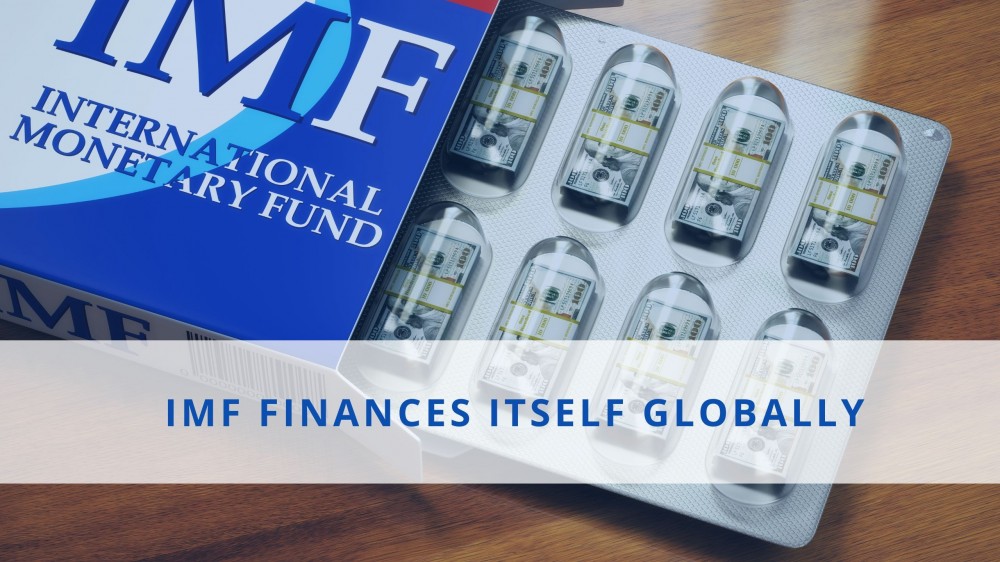
The International Monetary Fund (IMF) remains one of the most influential global institutions in financial stability, economic recovery, and crisis management. At the core of its ability to function effectively lies IMF Global Finances—a carefully structured system of funding, lending, and investment mechanisms. Understanding how the IMF secures its global capital provides clarity on how it mobilizes resources, sustains operations, and supports nations in times of economic difficulty.
Quotas as the Core of IMF Global Finances
The most significant portion of IMF Global Finances comes from membership quotas. Each member nation contributes financially based on its economic strength and role in global trade. These quotas not only provide the IMF with usable resources but also determine a country’s voting power and borrowing access. Larger economies like the United States, Japan, and China provide the highest quotas, ensuring the Fund has substantial capital to manage large-scale crises. Regular quota reviews make certain that these contributions remain equitable and aligned with current economic realities.
Borrowing as a Supplementary Resource
When quotas alone are not sufficient, the IMF turns to borrowing arrangements to expand its pool of resources. Mechanisms such as the New Arrangements to Borrow (NAB) and bilateral lending agreements enable the Fund to draw additional financial capital from member countries. These arrangements give the IMF flexibility, allowing it to respond to sudden and large-scale global crises without exhausting its core resources. The reliance on borrowing underscores the resilience of IMF Global Finances in the face of unpredictable economic challenges.

Special Drawing Rights and International Liquidity
A unique feature of IMF Global Finances is the Special Drawing Rights (SDRs), which serve as a global reserve asset. SDRs are allocated to member countries and can be exchanged for freely usable currencies, such as the U.S. dollar or the euro. This mechanism increases global liquidity, giving countries the ability to stabilize their economies without increasing debt. For example, during the COVID-19 pandemic, the IMF issued significant SDR allocations to help member nations safeguard reserves and maintain financial stability. SDRs highlight how the IMF secures capital in innovative ways beyond traditional funding.
Lending Mechanisms That Shape Global Finance
The IMF provides loans to member countries experiencing balance-of-payment problems. These loans are supported by IMF Global Finances and are often tied to policy reforms aimed at restoring stability. Conditional lending ensures that financial support comes with a roadmap for economic recovery. While some view conditionality as demanding, it ultimately strengthens both the borrowing nation and the IMF’s global financial structure. Lending is one of the most powerful ways in which the IMF secures its relevance and capital sustainability.
Crisis Financing as a Key Capital Function
Another vital aspect of IMF Global Finances is the ability to provide emergency assistance. Tools such as the Rapid Financing Instrument and Rapid Credit Facility allow quick disbursement of funds during natural disasters, pandemics, or sudden financial shocks. This rapid access to capital ensures that vulnerable countries can act decisively during emergencies. The IMF’s credibility and reputation for stability stem directly from its ability to mobilize capital quickly when it is most needed.
Surveillance and Preventive Oversight
Securing capital is not only about funding but also about ensuring efficient use of resources. Through surveillance programs, the IMF monitors economies worldwide and provides policy advice to avoid crises. This preventive role reduces the strain on IMF Global Finances by limiting the need for large-scale emergency interventions. Surveillance also helps member nations align with global financial standards, making the global financial system more predictable and stable.
Partnerships That Reinforce IMF Global Finances
The IMF often partners with other international organizations such as the World Bank, G20, and regional development banks. These partnerships expand the capital pool available for global crisis management while ensuring coordinated efforts. Joint programs allow the IMF to leverage external expertise and resources, reinforcing its global financial strength. By aligning with strategic partners, the IMF secures capital not only in monetary terms but also in influence and credibility.

Operational Revenue and Self-Sustainability
In addition to quotas and borrowing, the IMF secures its global capital through revenue generated from lending operations and investments. Borrowing nations pay charges on loans, which contribute to maintaining IMF resources. Furthermore, the Fund manages an investment portfolio, with returns used to cover operational expenses. This self-sustaining model ensures that the IMF remains financially independent and capable of supporting member nations consistently.
Governance and Accountability of Capital
The governance of IMF Global Finances ensures that resources are managed responsibly. The Executive Board, composed of representatives from member countries, makes decisions on lending and financial allocations. Transparency reports and external audits build trust among member nations, reinforcing the accountability of IMF capital management. This governance structure ensures that the IMF maintains credibility while effectively utilizing its capital for global stability.
Future Directions of IMF Global Finances
As the world economy evolves, IMF Global Finances must adapt to emerging challenges. Rising debt in developing economies, climate change financing, and the rise of digital currencies are reshaping global capital flows. The IMF is increasingly exploring sustainable financing options, such as climate-related lending, to remain relevant. Ensuring sufficient capital to address these challenges will define the next chapter of IMF Global Finances, reinforcing its critical role in securing stability in an interconnected world.
IMF Global Finances as a Foundation for Equity
At its core, IMF Global Finances are not merely about sustaining the institution but also about ensuring fairness and equity among nations. By securing capital through diverse mechanisms, the IMF ensures that even the most vulnerable economies have access to financial support. This global solidarity strengthens the foundation of international cooperation, making IMF Global Finances central to building resilience and inclusive growth worldwide.
About Us:
BusinessInfoPro is your essential gateway to cutting-edge business insights and strategic innovation, delivering expertly curated analysis on digital transformation, AI-powered planning, ERP optimization, sustainability, and marketing trends. We bridge the gap between emerging technologies and practical business applications whether it’s exploring AI’s impact on enterprise planning, optimizing supply-chain processes, or decoding the future of digital platforms and advertising. Our content empowers leaders to make informed decisions, stay ahead in competitive landscapes, and confidently navigate disruptions. Backed by forward-thinking perspectives and rigorous analysis, Businessinfopro is committed to equipping professionals with the tools and knowledge they need to transform challenges into opportunities and drive growth in a rapidly evolving business ecosystem.





