
Childhood is a time of development, exploration, and education. As a parent, it is one of the most important tasks to decide on the right path in education to lay the basis of success in the future.Two essential stages in early education are Preschool Programs and Kindergarten Programs.
The two programs are instrumental in equipping children in school and beyond in academic, social and emotional levels. Yet, how do parents know what program is correct and what to expect of these early learning processes? This guide will help address those questions and give information about making the best decision on behalf of your child.
Why Early Education Matters
It is not all about learning letters and numbers in early childhood education. It relates to fostering curiosity, developing trust and forming a solid base in life-long learning. Research has demonstrated that when such children go through systematic early learning programs, they tend to perform better in school, they exhibit increased social abilities and they do not struggle to adjust with new challenges.

Two significant milestones of this journey are preschool and kindergarten, and each has its own advantages and objectives.
Understanding Preschool Programs
Preschool is normally used with children aged 3-5. It can be the initial systematized education setting beyond the house.
Benefits of Preschool
- Social Development: Children get to know about sharing, turning taking and befriending.
- Early Learning Skills: Teacher presents simple concepts such as shapes, colors, numbers and letters.
- Emotional Development: Children develop self-reliance and how to handle emotions in groups.
- Routine and Structure:-Daily routines get children ready to go to school.
- Creativity and Play: Play-based activities stimulate imagination and solving problems.
What to Expect in Preschool
- Story time, song time and discussion time.
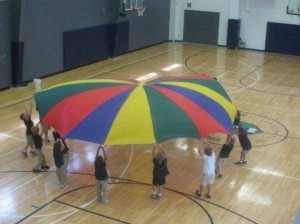
- Practical tasks of painting, building, and role playing.
- Independent and group learning.
- A secure and nurturing atmosphere in which children feel free to explore.
Exploring Kindergarten Programs
Kindergarten is usually an early childhood learning program launched at the age of 5 or 6 and is a transition program between preschool and elementary school.

Benefits of Kindergarten
- Academic Preparation: Children acquire literacy, math, and critical thinking skills.
- Heightened Social Skills: Kids are taught to work in groups, co-operate and respect others.
- Problem-Solving Abilities: Activities stimulate logical thinking and decision-making.
- Confidence building: Guided practice enables the children to feel prepared to first grade.
- Physical Development: Programs usually entail outdoor activities and fine motor activities.
Kindergarten Expectations.
- Phonics and storytelling reading preparation.
- Counting, patterns and shapes.
- Teamwork.
- Balance of fun with academics.
- Encouragement of emotional development, assisting the children with the prolonged school time.
Key Differences Between Preschool and Kindergarten
While preschool and kindergarten programs are closely connected, they differ in structure and goals.
Age Range: Preschool serves ages 3–5, while kindergarten usually starts at 5 or 6.
Focus: Preschool emphasizes play-based learning, while kindergarten leans more toward academic readiness.
Structure: Preschool has flexible routines, while kindergarten introduces more structured schedules.
Goals: Preschool focuses on social and emotional growth, while kindergarten prepares children for grade school.
How to Choose the Right Program
The choice of the appropriate program is determined by the needs of your child, personality and level of development stage. Here are some tips:
Note Your Child - See whether your child is prepared to go into group situations or whether he/she requires additional time to adapt.
Visit Centers – Visit the facility to observe the setting, personnel and teaching style.
Ask About Curriculum - Find out whether the program is more play based, academically based, or both.
Take into account Class Size- Less people may translate to more one-on-one attention.
Check Licensing and Accreditation- ensure the program is safe and of quality.
Discuss with other Parents -Take the advice of families who have already registered their children.
Final Thoughts
Preschool and kindergarten are not only initial steps of the learning process. They are experiences that determine future learning and development of a child. Through admission in the appropriate program, children develop social, emotional and academic competence to succeed in school and life.
The most important thing parents should do is think the options, take the readiness of the child into account, and find a program that seems to suit them. When the children are given enough support, they will be able to succeed in these early years and walk into the grade school comfortably.