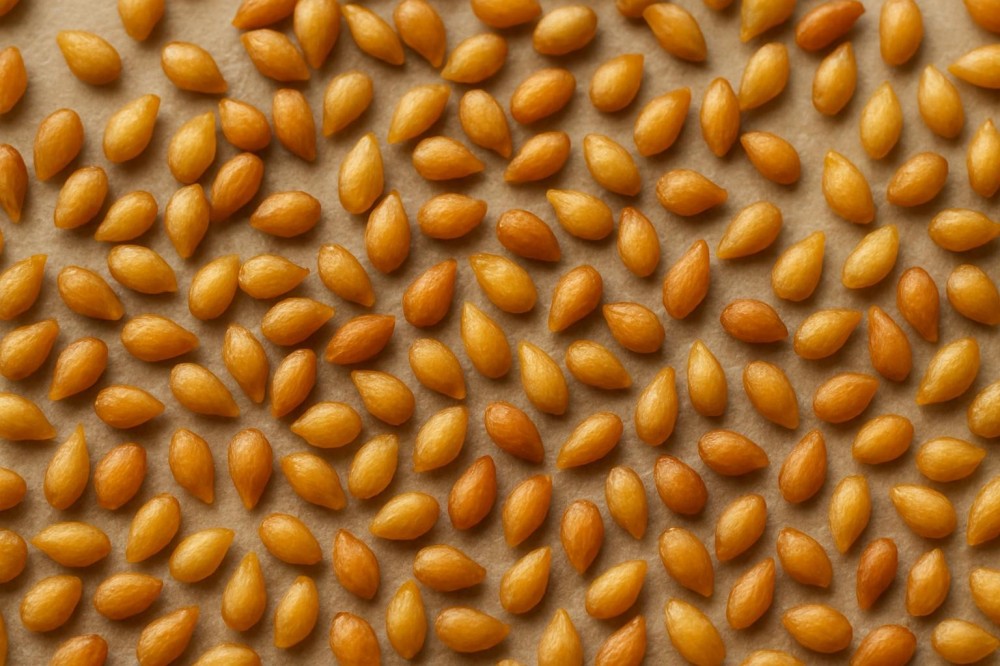
Fig trees, with their ancient lineage and luscious fruit, have long captivated gardeners. But what many don’t realize is that the journey of a fig begins long before the fruit – it starts with the fig seed, a tiny powerhouse packed with botanical wonder. Whether you're a backyard gardener or a homestead enthusiast, understanding fig seeds opens up a world of possibilities, challenges, and ecological surprises.
It is by no means simple to grow fig trees from seed. Although figs are frequently propagated from cuttings, growing them from seed requires knowledge of both germination and the intricate interaction between figs and the natural world, particularly their pollinators. Everything a gardener needs to know about fig seeds is covered in this article, including how they grow, the function of fig wasps, germination difficulties, and success suggestions. It also highlights some lesser-known facts that make fig seeds an intriguing topic in botanical circles.
The Basics: What Are Fig Seeds?
Fig seeds are remarkably varied for their small size. Viable seeds are not present in every fig you eat, particularly those sold in commercial supermarket stores. This is due to the fact that many of those figs are parthenocarpic, which means they frequently do not produce fertile seeds and mature without pollination.

Hundreds of seeds may be found in a single fruit of figs that do pollinate, typically through a symbiotic relationship with a particular kind of fig wasp. Though the outcomes can be uncertain because seed-grown figs don't necessarily acquire the parent's qualities, the seeds, which are each contained within the little "crunchy" parts in the fig's flesh, can theoretically be grown into new fig trees.
Fig seeds are not just biological units; they are complex capsules of genetic variability. Many gardeners who choose to grow from seed do so to create new fig cultivars, combining traits like hardiness, flavor, and pest resistance.
Why Figs Are Not Like Other Fruits
Figs aren't considered fruits in the conventional sense, unlike apples or peaches. A fig is actually a syconium, which is a hollow, fleshy structure with hundreds of small blooms within. Fig wasps enter through a tiny aperture and transport pollen from another fig tree to pollinate these interior blossoms.
Seed development depends on this complex pollination process. Most seeds will be infertile without it. To produce edible fruit with viable seeds, only specific fig varieties—most notably the Smyrna and San Pedro varieties—need this pollination process.
Because of this, when trying to grow fig trees from seed, it’s crucial to understand the variety of fig you are working with. Not all will yield seeds that germinate, and even fewer will produce trees that mirror the original fruit's flavor or hardiness.

How to Collect and Prepare Fig Seeds
If you want to grow figs from seed, the first step is selecting a variety known to produce viable seeds. Once you have a ripe fig:
- Scoop out the inner pulp.
- Soak it in water for 1–2 days, stirring occasionally to separate seeds from the pulp.
Usually, the viable seeds settle to the bottom. Rinse them well and let them dry for a few days on a paper towel. When they're dry, keep them somewhere cold and dry until you're ready to plant.
Patience is necessary for germination. Plant fig seeds in a well-draining soil and keep them warm (75 to 85°F) with steady hydration. While some seeds can take up to three months to sprout, others might do so in a matter of weeks.
Unique tip: Use a humidity dome to retain moisture and boost early growth. It simulates the conditions found inside a fig’s natural environment.
Genetic Surprises and Growing Challenges
Seed-grown fig trees exhibit immense genetic variation. If you plant ten seeds from one fruit, you may get ten completely different fig trees. This is both the excitement and the challenge.
Some might develop into sturdy trees with delicious fruit. Others would never produce edible fruit, or worse, might not produce any fruit at all, unless fig wasps, which are not found in many regions, pollinate them.
Most gardeners who desire consistent fruit cultivate fig trees from cuttings of well-known types because of these uncertainties. But those who start from seed can eventually find a legacy fig that is exclusive to their garden—a whole new variety.
Fig seeds also teach patience and unpredictability in the context of more general horticulture. While growing their fig experiment over time, a novice wishing to expand their plant collection would also choose to purchase Vinca Seeds to try with low-maintenance flowering plants as a quicker payoff.
Fig Pollination and the Fig Wasp Mythos
The fig seed's reliance on fig wasps is among its most fascinating features. This information is essential to comprehending why certain seeds fail, and it goes beyond simple botanical knowledge.
Millions of years passed during which figs and fig wasps coevolved. There is a certain wasp that can pollinate each type of fig. After entering the syconium, the female wasp lays her eggs and pollinates the interior flowers. The fig then produces healthy seeds.
Fig seeds from those species cannot develop without this interaction. Because the right wasp is frequently absent from their surroundings, many North American gardeners struggle to establish real fig trees from seed.
Statistically, only 1 in every 30 fig seeds grown in temperate climates results in a healthy, fruit-bearing tree without proper pollination. This is why propagation from cuttings is often favored.
"In the heart of nature's complexity, a fig seed waits — quietly defying expectations with every germination."
Common Fig Seed Myths
There’s a surprising amount of misinformation floating around about fig seeds. Here are some common misunderstandings:
- Myth: All figs have seeds. Many figs are sterile and grown without pollination, especially commercial varieties.
- Myth: You can grow identical trees from seeds. Fig seeds rarely grow into clones of the parent tree; cuttings are needed for genetic replication.
- Myth: All fig trees need a wasp. Some varieties like Common Figs don’t require wasps and can grow and fruit without pollination — but their seeds will likely be infertile.
Tips for Increasing Your Success with Fig Seeds
Growing fig trees from seed is a long-term project, but several techniques can boost your success rate:
- Stratify your seeds by refrigerating them for a couple of weeks before planting. This mimics winter dormancy and can wake up dormant seeds.
- Use seedling heat mats to maintain consistent warmth during germination.
- Thin seedlings early. Only the strongest should be kept for planting outdoors.
Planting many fig seeds in a tray and watching to determine which seedlings exhibit the most vertical growth, leaf development, and insect resistance is one gardener's trick. These characteristics could be signs of a fruitful fig tree in the future.
Regional Climate and Seed Suitability
The seeds of figs are naturally suited to warm Mediterranean climes, which is where they are native. There are additional obstacles when attempting to grow fig trees in colder climates. Fungal diseases and frost are more likely to affect seedlings.
Growing figs from seed requires greenhouse protection or overwintering techniques in USDA Zones lower than 7. Before being moved outdoors in the early summer, seedlings should be gradually toughened.
Just around 14% of fig trees produced from seed in northern areas make it throughout their first winter without protection, according to the USDA. This risk can be reduced using raised beds, frost blankets, and the right soil amendments.
A useful breakdown of climate-appropriate gardening for figs and other warm-weather crops is available on The National Gardening Association.
FAQs
- Do all fig seeds germinate?
No, many fig seeds are infertile, especially those from commercially grown figs that haven’t been pollinated by fig wasps. - How long does it take a fig seed to grow into a fruiting tree?
On average, 3 to 5 years — though some trees may never fruit, or may require specific environmental conditions to do so. - Is it worth growing figs from seed?
It depends on your goal. If you’re experimenting, breeding, or seeking novelty, it can be very rewarding. If you want predictable fruit, use cuttings. - Can I plant fig seeds from store-bought figs?
You can try, but the chances are low. Most store-bought figs are parthenocarpic and don’t contain viable seeds. - What soil is best for fig seed germination?
A light, well-draining mix with vermiculite or perlite works well. Keep it moist but not soggy.
Still Curious? Here's What's Next
Fig seeds are mysterious. They can appear to be just another attempt to cultivate something different to the typical gardener. To the inquisitive, however, they symbolise a more profound experiment that touches on patience, ecology, genetics, and even a little mystery.
Think about this the next time you cut open a fig: the design for a tree that no one has ever grown before might be inside that tender flesh.
This goes beyond simple gardening. Your own backyard is the site of a botanical discovery.