2D vs 3D Animation: Creating Characters in 2D vs 3D Animation
Characters are the heart of every animation. Whether it’s a mascot in an advertisement, a beloved cartoon hero, or a realistic character in a video game, characters bring stories to life. In the world of animation, two dominant styles stand out—2D animation and 3D animation. Both have unique approaches to character creation, and each influences how audiences connect with the story.
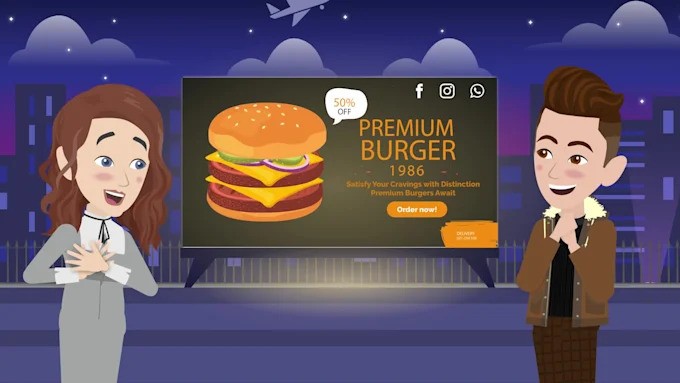
For businesses and marketers, characters also play a key role in Explainer video campaigns, where visuals are designed not just to entertain but also to explain ideas clearly. Similarly, a 2D animated explainer video often relies on charming, simple characters that make complex concepts easy to understand.
So, how exactly are characters created differently in 2D and 3D animation? Let’s dive into the process and compare the art, technology, and storytelling impact of both.

The Art of 2D Character Creation
In 2D animation, characters are designed on a flat plane. They are drawn frame by frame or rigged using digital software to move in two dimensions (height and width).
Steps in 2D Character Creation:
-
Concept Art and Sketching
-
Artists begin by sketching characters on paper or digitally. These sketches establish personality, style, and proportions.
-
For example, a mascot for an educational Explainer video might be designed with friendly eyes and soft curves to feel approachable.
-
-
Character Turnarounds
-
Animators create "turnarounds," showing the character from different angles (front, side, back). This ensures consistency during animation.
-
-
Keyframes and Expressions
-
The animator builds a library of key poses, facial expressions, and movements to capture personality.
-
-
Digital Animation
-
Using software like Toon Boom Harmony or Adobe Animate, characters are animated using frame-by-frame or cut-out techniques.
-
Strengths of 2D Characters:
-
Highly stylized and artistic.
-
Great for exaggerated expressions and humor.
-
Cost-effective and quicker to produce for short videos.
This is why 2D characters work so well in 2D animated explainer video projects—they don’t need to look realistic but must connect emotionally and deliver a clear message.
The Art of 3D Character Creation
In 3D animation, characters exist in three-dimensional space with depth, making them more lifelike and realistic. The creation process is highly technical and involves several specialized stages.
Steps in 3D Character Creation:
-
Concept Art
-
Similar to 2D, the process begins with sketches. But here, the designs must consider how they will translate into 3D form.
-
-
Modeling
-
Artists use software like Blender, Maya, or ZBrush to sculpt a 3D character. This process is like creating a digital clay model.
-
-
Texturing and Shading
-
The character is "painted" with textures (skin, clothing, hair) and lighting properties to look realistic.
-
-
Rigging
-
A digital skeleton is added so the character can move. Rigging is one of the most technical steps in 3D animation.
-
-
Animation and Rendering
-
Animators move the rigged model using keyframes or motion capture. Rendering then produces the final polished visuals.
-
Strengths of 3D Characters:
-
Realistic movements and lifelike detail.
-
Suitable for immersive storytelling, games, and films.
-
Can be reused and manipulated from multiple camera angles.
3D characters are ideal for industries where realism matters, such as product demos, simulations, or cinematic advertising.
Style Differences Between 2D and 3D Characters
-
2D Characters: Usually flat, stylized, and symbolic. They often appeal to emotions more directly and can be simplified for quick recognition.
-
3D Characters: Often detailed and immersive. They create a sense of realism, making the audience feel like the characters exist in the real world.
For example, a company might use a fun 2D mascot in an Explainer video, while a luxury brand might choose a sleek 3D animation to showcase their product in high detail.
Storytelling Impact
The choice of 2D or 3D character creation impacts how stories are told:
-
2D Animation: Works best when the focus is on simplicity, humor, or educational content. Characters can be exaggerated for comedic effect or abstract storytelling.
-
3D Animation: Excels in stories that need depth, immersion, or realism. Action-packed films and high-end ads benefit from the lifelike quality of 3D characters.
Cost and Time in Character Creation
-
2D Characters: Generally quicker and cheaper to design. Perfect for projects that need frequent updates, like marketing campaigns or social media content.
-
3D Characters: More expensive due to the technical steps involved, but once created, they can be reused endlessly with different animations.
This makes 2D a favorite for businesses producing regular 2D animated explainer video content, while 3D is often reserved for long-term, high-budget projects.
When to Choose 2D vs 3D Characters
Choose 2D Characters If:
-
You’re making an Explainer video to simplify complex ideas.
-
You need a fun, approachable, and budget-friendly animation style.
-
You want content that appeals broadly, such as educational videos.
Choose 3D Characters If:
-
Your project requires realism and high visual impact.
-
You’re working on films, games, or product showcases.
-
You want characters that can exist in multiple environments and perspectives.
Blending 2D and 3D Character Design
A growing trend in animation is blending 2D and 3D. For example:
-
Characters might be 2D while environments are 3D.
-
3D models can be rendered with a 2D, hand-drawn look.
This hybrid approach combines the emotional charm of 2D with the realism of 3D, offering the best of both worlds.
Conclusion
Character creation is where animation truly shines—whether it’s the flat, stylized charm of 2D or the lifelike presence of 3D. Each has unique strengths that cater to different industries and storytelling goals.
For businesses, especially, characters aren’t just about entertainment; they’re about communication. A 2D animated explainer video can transform a complicated service into a friendly, easy-to-understand story. Meanwhile, 3D characters can wow audiences with realism and immersive visuals.
Ultimately, the choice between 2D and 3D comes down to your message, budget, and audience. Both styles are powerful in their own right, and when used effectively, they can bring your vision to life in ways words alone cannot.
If you’re ready to create characters that connect with your audience, starting with a professional Explainer video is one of the smartest moves you can make. And the best part—you don’t need to do it alone. You can team up with expert animators here to craft animations that tell your story and build your brand.