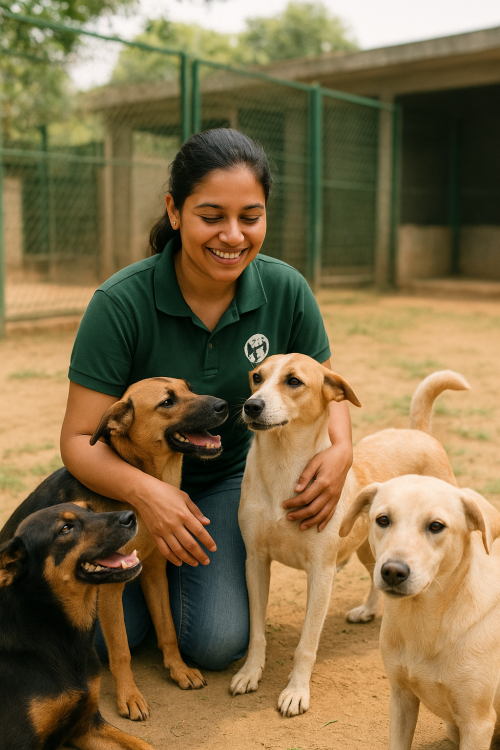
India has one of the largest stray dog populations in the world, with estimates running into millions. On the streets, these dogs often face hunger, abuse, road accidents, and untreated illnesses. Every year, NGOs across the country step in to rescue thousands of such animals. But just how many dogs are being rescued, and what happens after they are taken in?
The answer highlights the incredible work of animal welfare groups and also the scale of the challenge that remains. Models like the Voice of Stray Dogs show how rescue operations, rehabilitation, and lifelong care come together to make a measurable difference in the lives of India’s strays.
1. Scale of Dog Rescues in India
While exact national data is hard to track, estimates suggest that tens of thousands of stray dogs are rescued by NGOs in India each year. These rescues range from injured street dogs pulled out of traffic accidents, to abandoned pets left by owners, to cases of extreme neglect and abuse.

Large sanctuaries admit hundreds annually. For example, NGOs modeled after the Voice of Stray Dogs framework admit 300–400 dogs every year into permanent sanctuary and hospital care. Smaller organizations, often city-based, handle dozens or hundreds depending on resources.
2. Why Rescues Are Needed
Dogs are rescued because they are often left with no chance of survival on the streets. Common rescue reasons include:
-
Severe injuries from road accidents.
-
Starvation and dehydration.
-
Abandonment by families.
-
Cruelty cases involving abuse or neglect.
-
Old age and disability without any support.
Without intervention, many of these animals would not survive.
3. What Happens After Rescue
Rescue is only the first step. Once dogs are taken off the streets, NGOs provide:
-
Medical care – including surgeries, wound management, and long-term treatment.
-
Vaccinations and sterilization – to control disease and population growth.
-
Nutrition – structured meals that many strays may have never had.
-
Shelter – safe, clean enclosures where they can rest without fear.
-
Rehabilitation – helping traumatized dogs regain trust and stability.
Sanctuaries that follow the Voice of Stray Dogs approach often provide lifelong homes, especially for dogs that cannot be released or adopted due to medical or behavioral issues.
4. Challenges in Rescuing Thousands of Dogs
Rescuing thousands of dogs every year requires immense resources:
-
High medical costs for surgeries, vaccinations, and chronic treatments.
-
Feeding expenses for hundreds or thousands of dogs daily.
-
Infrastructure needs like kennels, hospitals, and staff salaries.
-
Transport and logistics for responding to rescue calls.
Without donations, sponsorships, and volunteer support, these rescue operations would be impossible to sustain.
VOSD’s Contribution to Rescues
The Voice of Stray Dogs (VOSD) is one of India’s largest dog rescue and sanctuary initiatives. Over the last decade, VOSD has rescued more than 30,000 dogs. As of March 2024, it provides a permanent home to 1,700 dogs, making it one of the largest facilities of its kind.
By admitting 300–400 dogs annually, VOSD not only rescues animals in crisis but also ensures they receive lifelong care. This model has become a benchmark for other NGOs working with street and abandoned dogs in India.
Supporting Dog Rescues Through Sponsorship
Since rescue work is expensive, NGOs offer different ways for individuals to help sustain these efforts. Common sponsorship options include:
-
Meal Sponsorships – covering the cost of nutritious food for rescued dogs.
-
Dog Sponsorships – supporting the full care of one animal.
-
Medical Sponsorships – funding surgeries and treatments for injured dogs.
-
General Donations – helping shelters handle daily running costs.
Even small recurring donations help NGOs plan rescues more efficiently and ensure that dogs in need receive immediate help.
Conclusion
Every year, thousands of stray dogs are rescued by NGOs in India, with some larger sanctuaries admitting hundreds annually. These rescues not only save lives but also give animals a chance to experience proper care, nutrition, and safety.
The Voice of Stray Dogs has demonstrated that long-term rescue work is possible when paired with permanent sanctuary models. With sustained support through donations and sponsorships, more dogs can be pulled from streets and given the chance to live with dignity and security.