

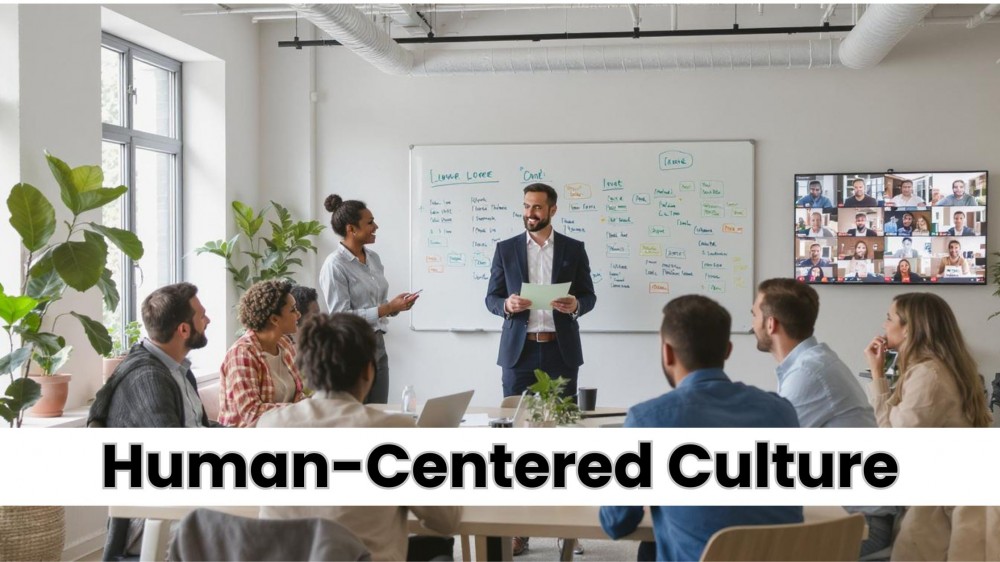
Organizations today operate in a business environment defined by constant change, rapid technological advances, and evolving customer expectations. In such conditions, the ability to adapt quickly is essential for survival and growth. The secret to achieving sustainable agility is often overlooked: a Human-Centered Culture. By placing people at the center of strategy, companies unlock the flexibility, creativity, and resilience needed to navigate uncertainty. Businessinfopro Company emphasizes that human-centered approaches are the foundation upon which workplace agility is built.
Understanding the Concept of Workplace Agility
Workplace agility is the capability of an organization to respond effectively and efficiently to changes, challenges, and opportunities. It is more than flexible policies or quick decision-making; it involves cultivating a culture of adaptability, innovation, and continuous improvement. Employees in agile organizations are empowered to make decisions, experiment, and collaborate, making the workforce the primary driver of organizational success. Human-Centered Culture ensures that these elements are deeply embedded in the workplace.
Why Human-Centered Culture is Essential
A Human-Centered Culture prioritizes employee well-being, inclusivity, and engagement. When employees feel supported and valued, they are more likely to embrace change, take risks, and contribute innovative solutions. This culture reduces resistance to transformation and fosters collaboration across teams. Organizations that invest in human-centered practices benefit from stronger engagement, higher productivity, and a workforce capable of adapting to new challenges with confidence.

Shifting from Traditional Hierarchies to Empowered Teams
Historically, organizations relied on rigid hierarchies and top-down decision-making, which often slowed responsiveness. Human-centered organizations distribute authority and empower employees to take initiative. Empowered teams can pivot quickly, experiment with new solutions, and respond to market dynamics without waiting for managerial approval. This approach not only enhances agility but also strengthens employee morale and accountability, making adaptability a shared responsibility.
Employee Engagement as the Core of Agility
Engagement is a critical factor in driving workplace agility. Employees who are motivated and feel that their contributions matter are more likely to embrace change and seek innovative solutions. Human-Centered Culture enhances engagement by fostering transparent communication, recognition, and alignment between personal and organizational goals. Engaged employees act as catalysts for agility, ensuring that strategic shifts are executed efficiently and effectively.
Leadership’s Role in Human-Centered Agility
Leaders are the architects of culture. Human-centered leaders prioritize empathy, collaboration, and empowerment over directive management. They create environments where employees feel safe to experiment, provide feedback, and learn from mistakes. By modeling adaptability and supporting teams through change, leaders embed agility into the organization’s DNA. Businessinfopro Company emphasizes that leadership commitment to human-centered principles is a prerequisite for sustained agility.
Psychological Safety: A Foundation for Agile Teams
Agility requires employees to take calculated risks and share unconventional ideas. Psychological safety—where employees feel comfortable expressing opinions without fear of negative consequences—is essential to fostering such behaviors. Human-Centered Culture nurtures psychological safety by encouraging open communication, inclusive practices, and trust. Organizations that prioritize psychological safety see higher innovation, better problem-solving, and stronger collaboration, which directly enhances workplace agility.
Leveraging Technology Through a Human-Centered Lens
Technology is often viewed as the driver of agility, but its effectiveness depends on how well it aligns with human needs. Tools like collaboration software, automation platforms, and analytics solutions enhance productivity but can also lead to stress or disengagement if implemented without considering employee well-being. Human-Centered Culture ensures that technology serves employees, streamlines workflows, and supports flexibility while avoiding overload, creating a balance that maximizes agility.

Continuous Learning for a Future-Ready Workforce
In a constantly evolving environment, continuous learning is a key enabler of agility. Human-Centered Culture promotes reskilling and upskilling initiatives that align with both organizational needs and individual career goals. Employees equipped with updated skills can adapt to changing responsibilities, embrace new technologies, and respond to market demands effectively. This culture of learning ensures that agility is not temporary but a long-term capability embedded within the workforce.
Human-Centered Agility in Hybrid and Remote Work
The growth of remote and hybrid work has emphasized the need for human-centered approaches in maintaining agility. Distributed teams require trust, clear communication, and inclusive collaboration to remain effective. A Human-Centered Culture empowers remote employees by offering flexibility, equitable access to resources, and opportunities to contribute meaningfully. Organizations that embed these practices in hybrid models enhance employee engagement, productivity, and overall agility.
Diversity, Equity, and Inclusion as Agility Accelerators
Diversity, equity, and inclusion (DEI) amplify organizational agility by bringing varied perspectives, encouraging innovation, and improving decision-making. A Human-Centered Culture naturally incorporates DEI principles, ensuring that employees from all backgrounds can contribute effectively. Inclusive workplaces are more adaptable, capable of responding to diverse customer needs, and resilient in the face of disruption. This integration of DEI and human-centered practices strengthens both culture and agility.
Real-World Applications of Human-Centered Agility
Numerous organizations demonstrate the impact of human-centered approaches on workplace agility. Technology firms fostering cross-functional collaboration innovate faster and adapt quickly to market changes. Healthcare providers focusing on staff well-being implemented flexible care models during crises, ensuring continuity. Retail organizations empowering employees achieved rapid supply chain adjustments during disruptions. These examples highlight that agility is rooted in culture and human-centered practices rather than solely in technology or process.
Measuring the Impact of Human-Centered Agility
Sustainable agility requires consistent measurement. Key performance indicators include employee engagement, responsiveness to change, innovation output, and customer satisfaction. Human-Centered Culture influences these metrics by aligning workforce motivation with organizational objectives. Businessinfopro Company advocates using surveys, performance analytics, and feedback loops to ensure that human-centered initiatives are effectively driving agility. Measurement not only tracks progress but also informs continuous improvement strategies.
Businessinfopro Company Insights
Businessinfopro Company emphasizes that Human-Centered Culture is the hidden foundation of workplace agility. Organizations that prioritize empathy, trust, inclusivity, and employee development enable a workforce capable of responding proactively to change. By embedding these principles into everyday operations, companies create sustainable agility that ensures resilience, innovation, and competitiveness in a dynamic business environment.
Read Full Article : https://bizinfopro.com/blogs/hr-blogs/why-workplace-agility-begins-with-human-centered-culture/
About Us : BizInfoPro is a modern business publication designed to inform, inspire, and empower decision-makers, entrepreneurs, and forward-thinking professionals. With a focus on practical insights and in‑depth analysis, it explores the evolving landscape of global business—covering emerging markets, industry innovations, strategic growth opportunities, and actionable content that supports smarter decision‑making.





