
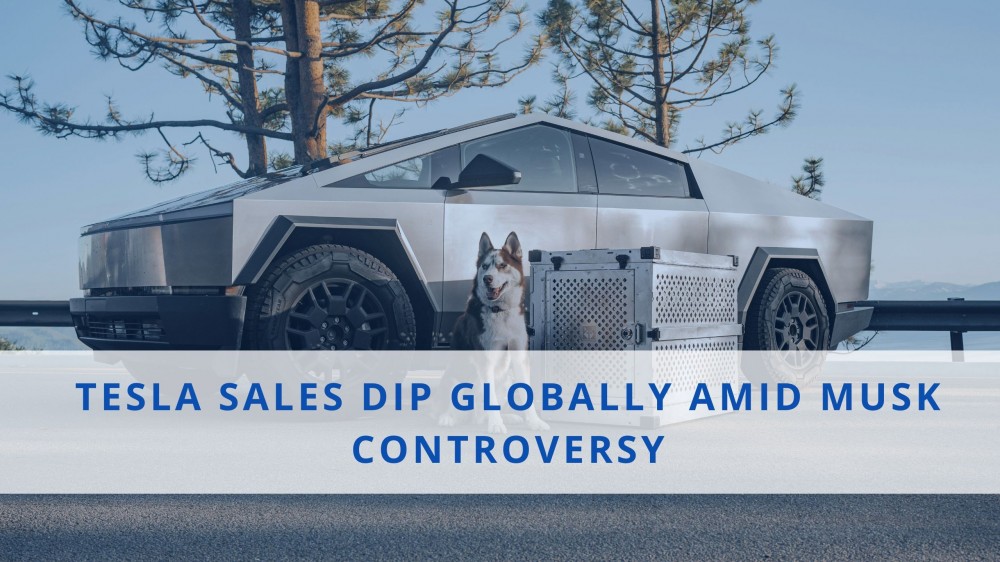
The global electric vehicle (EV) market is witnessing a period of intense pressure as Tesla Sales show a noticeable slowdown across multiple key regions. Tesla, once the uncontested leader in EV innovation and market share, is now facing challenges from rising competition, evolving consumer preferences, and controversies surrounding CEO Elon Musk. These factors are contributing to increased strain on Tesla’s global sales performance.
Tesla Sales Trends Across International Markets
Tesla Sales data indicates a decline in North America, Europe, and Asia. In China, domestic EV manufacturers like BYD, NIO, and XPeng are gaining market share by offering affordable, high-quality vehicles with advanced features. European markets are seeing intensified competition from Volkswagen, Hyundai, and Renault, making it increasingly challenging for Tesla to sustain its previous sales momentum. The slowdown illustrates the evolving dynamics of the global EV market.
Elon Musk Controversy and Brand Challenges
Tesla’s brand is closely linked to Elon Musk’s public persona. While his leadership has driven technological innovation and global recognition, Musk’s controversial statements, political activities, and social media presence have affected consumer sentiment. Potential buyers in certain regions are exercising caution, impacting Tesla Sales. The CEO’s visibility, once a marketing advantage, now presents a reputational risk influencing consumer confidence and global sales trends.

Increasing Competition in the EV Industry
The competitive landscape of the EV market has expanded significantly. Established automakers such as Ford, Kia, Hyundai, and Volkswagen are introducing EVs with competitive pricing, advanced features, and robust after-sales support. Emerging startups in Asia and Europe are also offering innovative solutions. The growing number of alternatives has intensified market pressure, contributing to the decline in Tesla Sales worldwide.
Price Reductions and Profitability Implications
Tesla has responded to declining sales by implementing global price cuts across multiple models. While this approach temporarily boosts demand, it raises concerns about long-term profitability and the brand’s premium image. Consumers increasingly expect price reductions, which can undermine Tesla’s perceived value. Competitors with efficient production capabilities can sustain lower prices without sacrificing margins, adding further pressure on Tesla Sales.
Regulatory and Policy Influences
Government regulations have a significant impact on Tesla Sales. In Europe, evolving emission standards and changing EV subsidies affect purchasing behavior. China prioritizes domestic EV production through subsidies and policy support, creating challenges for Tesla. In the United States, shifts in trade policies, renewable energy incentives, and political developments add complexity to Tesla’s operational strategy. Adapting to these regulatory environments is crucial for maintaining global sales momentum.
Supply Chain Disruptions
Global supply chain challenges have affected Tesla Sales by slowing production and vehicle deliveries. Shortages of semiconductors and essential raw materials such as lithium and nickel have disrupted manufacturing timelines. Despite investments in Gigafactories worldwide, operational and logistical constraints continue to impact vehicle availability. Delays in order fulfillment directly influence Tesla Sales, especially in high-demand markets.
Shifting Consumer Preferences
Consumer expectations in the EV sector are evolving rapidly. Early adopters, who once fueled Tesla’s growth, are now exploring alternative brands. Modern buyers prioritize affordability, extended driving range, and cutting-edge technology. Competitors are addressing these expectations effectively, making alternatives more attractive and contributing to declining Tesla Sales.

Technology Leadership and Market Gaps
Tesla has historically been seen as a technological pioneer, from autopilot systems to battery efficiency. However, competitors are narrowing this gap. Advancements in solid-state batteries, AI-assisted driving, and vehicle-to-grid systems are being developed by rivals. Delays in delivering anticipated models like the Cybertruck and next-generation battery solutions have created gaps in consumer expectations, impacting Tesla Sales negatively.
Investor Confidence and Market Volatility
Investors are closely monitoring Musk’s involvement in ventures outside Tesla, such as SpaceX and X (formerly Twitter). Questions regarding leadership focus and strategic priorities contribute to market volatility. Sustaining investor confidence while navigating global EV market pressures is critical for supporting Tesla Sales and long-term growth.
Strategies to Regain Tesla Sales Momentum
Despite current challenges, Tesla retains strong brand recognition and technological credibility. Reversing the decline in Tesla Sales requires expanding affordable vehicle options, stabilizing supply chain and production processes, fostering consumer trust independent of Musk’s persona, and accelerating innovation to stay ahead of competitors. Executing these strategies effectively is crucial to regain momentum in the global EV market.
About Us:
BusinessInfoPro is your essential gateway to cutting-edge business insights and strategic innovation, delivering expertly curated analysis on digital transformation, AI-powered planning, ERP optimization, sustainability, and marketing trends. We bridge the gap between emerging technologies and practical business applications whether it’s exploring AI’s impact on enterprise planning, optimizing supply-chain processes, or decoding the future of digital platforms and advertising. Our content empowers leaders to make informed decisions, stay ahead in competitive landscapes, and confidently navigate disruptions. Backed by forward-thinking perspectives and rigorous analysis, Businessinfopro is committed to equipping professionals with the tools and knowledge they need to transform challenges into opportunities and drive growth in a rapidly evolving business ecosystem.





