

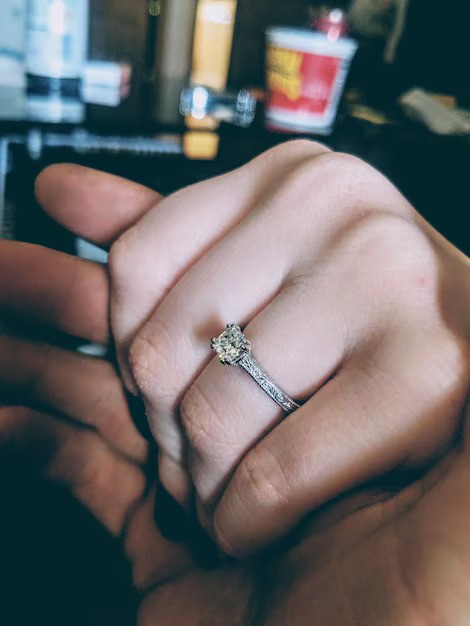
So, you’re shopping for engagement rings for women—or maybe just “researching” (adding 27 tabs and spiraling because every diamond suddenly looks the same). Been there. The problem? Diamonds are sparkly and distracting, but the details matter if you want one that’s actually worth the hype.
That’s where the famous 4Cs come in: cut, color, clarity, and carat. Basically, the cheat sheet jewelers use to decide if a diamond is “meh” or “magic.” And the truth? Once you understand these four, ring shopping feels way less like a blind guess.
Let’s break it down. No jargon. No pressure. Just real talk.

Cut: The Secret Sauce
First things first—cut isn’t the same as shape. I know, confusing. Shape is whether it’s round, oval, princess, etc. Cut is about how well the diamond was… well, cut.
Story time: I once compared two diamond Engagement Rings for Women—same size, same color. One sparkled like a disco ball in broad daylight. The other? Kind of sad. Why? The cut.
A good cut reflects light like crazy. A bad cut just… sits there. That’s why even smaller diamonds with an excellent cut can outshine bigger ones with poor cuts.
👉If you’re leaning toward oval-cut engagement rings, or any fancy shape, pay extra attention here. The sparkle factor is what makes people stop and say, “Whoa.”
Color: Not All Diamonds Are White
Here’s the thing—most diamonds aren’t perfectly clear. They have hints of yellow or even brown. The grading scale goes from D (colorless) down the line to Z.
Now, do you need a D-grade diamond? Probably not—unless you’re planning on bragging about it at every family gathering. Honestly, the G to H range is usually the sweet spot: it looks colorless to the eye but is way easier on the wallet
Side note: I kind of love a warm tint in the right setting. Pair a near-colorless diamond with platinum engagement rings, and it looks icy cool. But put a slightly warmer diamond in yellow gold? Chef’s kiss. It blends in, looks intentional, and no one knows you saved money.
Clarity: Imperfections Happen
Here’s the truth nobody tells you—almost every diamond has flaws. Jewelers call them “inclusions” or “blemishes,” but really, it’s just nature being imperfect.
The clarity scale goes from Flawless down to Included. But here’s the kicker: most inclusions are microscopic. You won’t see them unless you’re squinting under a loupe like a professional.
Pro tip? Look for “eye-clean” diamonds. That means no visible flaws when you just… look at it normally. Trust me, you’ll forget about technical grades the second it’s sparkling on your finger.
Would I shell out for flawless clarity? Nah. I’d rather put that cash toward a bigger stone or a better cut.
Carat: Size vs. Presence
Ah yes, carat weight—the stat everyone brags about. “It’s two carats!” Sounds impressive, right? But here’s the truth: carat doesn’t tell the whole story.
A well-cut 1-carat diamond can look bigger than a poorly cut 1.5. And the setting makes a massive difference. Thin bands, halos, and clever prong work? They make the stone pop.
This is where style matters. If you love bold, statement pieces, sure, go bigger. But if you lean toward Classic Engagement Rings—simple, elegant, wearable every day—something smaller but perfectly cut might feel more “you.”
And honestly, you’ll be staring at it way more than anyone else. If it makes you happy, that’s the win.
How the 4Cs Work Together
Here’s the tricky part: you can’t just max out all four Cs unless your budget is unlimited.
Most people have to prioritize. For me? Cut always comes first. Then color, then carat, then clarity. But it depends on your vibe. If you care about size, maybe the carat jumps higher. If you’re a perfectionist, maybe clarity matters more.
The trick is balance. A G-color, VS2 clarity, excellent cut 1-carat diamond will usually look stunning. But swap any one of those for “top tier,” and your budget might double without looking twice as good.
Matching the 4Cs to Your Style
Okay, so how do the 4Cs connect to actual diamond engagement rings you’ll wear every day? Glad you asked:
- Classic Personalities → Go for round cuts, simple solitaire, or pavé bands. Prioritize cutting and balancing the rest. These classic engagement rings will literally never feel dated.
- Trendy Personalities → Oval, pear, or cushion cuts are your best friends. A bit larger carat weight feels right since these shapes elongate your finger. Oval-cut engagement rings especially are having a big moment.
- Minimalists → A smaller, high-quality diamond in platinum or white gold. Focus on cut and color for maximum sparkle in a low-key design. Platinum Engagement Rings work beautifully here.
- Romantics → Halos, vintage-inspired details, softer cuts. Clarity is less important here since all the extra sparkle hides tiny flaws.
- Bold & Glamorous → Bigger carat weights, halos, or three-stone rings. Cut is still crucial, but size and presence are what make your ring the star.
A Tangent on Settings
Technically not part of the 4Cs, but let’s be real—the setting changes everything. A thin band makes the diamond look bigger. A bezel makes it look modern and sleek. Halos? They’re like the Instagram filter of jewelry—everything looks brighter.
So yeah, don’t obsess over carat size alone. Sometimes the right setting does more heavy lifting than another half-carat would.
Quick Recap Because You’ll Forget Otherwise
- Cut = sparkle king.
- Color = don’t overpay for perfection.
- Clarity = aim for eye-clean, not flawless.
- Carat: size matters… but not as much as you think.
Get those balanced, and suddenly shopping for engagement rings for women doesn’t feel so intimidating.
Conclusion
At the end of the day, the 4Cs aren’t there to stress you out. They’re just tools to help you figure out what makes sense for your budget and style. Whether you end up with one of the sleek platinum engagement rings, go bold with oval-cut engagement rings, or stick to classic engagement rings that’ll never go out of style—the 4Cs will guide you to the right diamond.





