

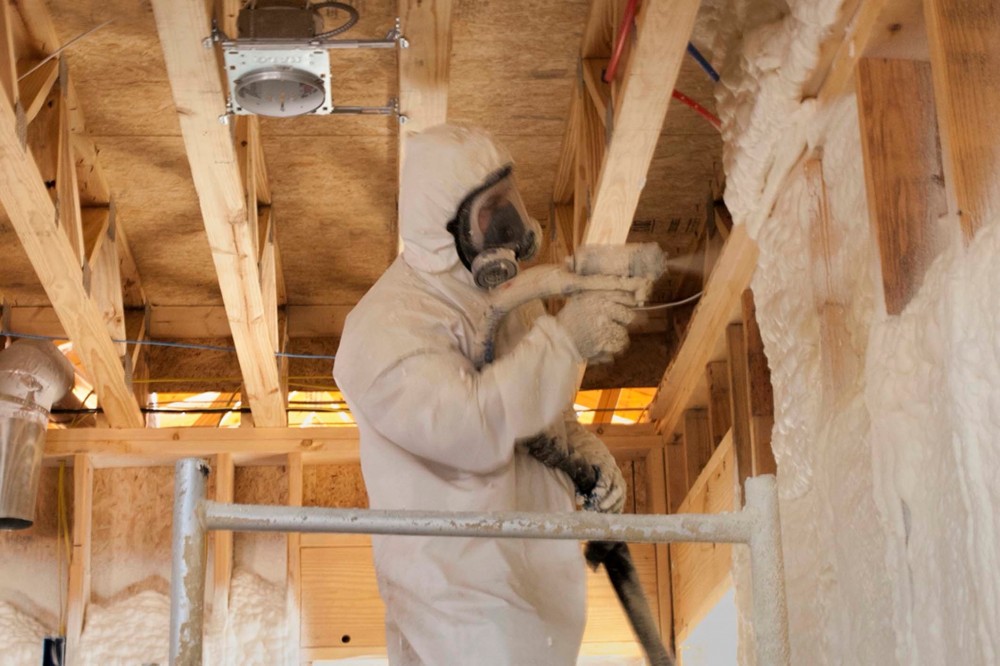
Yes, it is possible to install new insulation on top of old insulation, but it’s not always a good idea. The decision depends entirely on the condition of the existing material. If the old insulation is dry, free of contaminants like mold or pest droppings, and has not been compressed, you can typically add a new layer over it. This is a common practice for attic "top-ups," especially with blown-in fiberglass or cellulose.
However, if the existing insulation shows any signs of moisture damage, mold growth, pest infestation, or is heavily compacted, it must be removed. Covering up these problems will only make them worse, leading to potential wood rot, poor indoor air quality, and wasted energy. To help you make an informed decision for your home's health and efficiency, this guide breaks down when to layer and when to start fresh, based on input from a professional insulation contractor.
When Layering Insulation Is a Good Idea
Adding new insulation over old is most effective in a dry, clean, and properly ventilated attic. For many homes, the existing insulation simply isn't thick enough to meet modern energy standards. The U.S. Department of Energy reports that a properly insulated attic can save homeowners up to 15% on heating and cooling costs, so bringing it up to code is a smart investment.

Layering works well in these scenarios:
- Topping Up Loose-Fill: If you have existing blown-in cellulose or fiberglass that is clean and fluffy, adding another layer is a straightforward way to increase your home's R-value. The new material fills in any gaps and creates a thicker thermal blanket.
- Adding Batts Over Batts: You can lay new unfaced fiberglass batts over existing ones. The key is that the new batts should be installed perpendicular to the old ones to cover the joists and minimize thermal bridging.
Bonus Tip: Before adding any new insulation, it's a great time to perform air sealing. Use caulk or spray foam to seal any gaps around plumbing vents, electrical wiring, and top plates of interior walls. This simple step stops conditioned air from leaking into the attic, making your new insulation far more effective.
Critical Situations Requiring Full Removal
Ignoring red flags in your old insulation is like putting a bandage on a serious wound; it hides the problem but doesn't fix it. That's why a full removal is non-negotiable in the following situations.
Moisture and Mold
If you see any water stains, damp spots, or visible mold on your existing insulation, it has to go. Wet insulation doesn't insulate. In fact, it can conduct heat, making your home less efficient. Worse, it creates a breeding ground for mold and mildew, which can release spores into your home's air supply and cause respiratory issues. Trapping that moisture with a new layer will only accelerate rot in your home's structural framing.
Pest Infestations
Attics can be a haven for rodents, birds, and insects. These pests leave behind droppings, urine, and nesting materials that contaminate insulation and create unpleasant odors. This waste is a biohazard and significantly reduces the insulation's thermal performance by compressing it. The only way is to have a professional insulation removal service remove the contaminated material, clean the area, and then install new insulation.

Heavy Compression or Matting
Insulation works by trapping air in tiny pockets. When insulation, especially fiberglass or cellulose, becomes heavily compressed or matted down, it loses those air pockets and, with them, most of its R-value. Simply adding more on top won't restore the effectiveness of the crushed bottom layer. You'll get better results by removing the old, ineffective material and starting with a fresh, full-depth layer.
A Look at Different Insulation Types
The type of insulation in your attic also affects whether you can layer over it, as some materials are more compatible than others. For instance, blown-in insulation accounts for over 40% of the residential retrofit market, largely because it's so easy to add more on top of an existing layer.
Layering vs. Removal for Common Insulation Materials
|
Insulation Type |
Layering Feasibility |
Key Considerations for Removal |
|---|---|---|
|
Fiberglass Batts |
Possible if dry and fluffy |
Necessary if wet, moldy, or compressed |
|
Blown-In Cellulose |
Often done for attic top-ups |
Required if contaminated or moisture-damaged |
|
Spray Foam |
Not recommended; requires clean surface |
Old insulation must be fully removed first |
|
Vermiculite |
Never layer; high risk of asbestos |
Requires professional asbestos abatement |
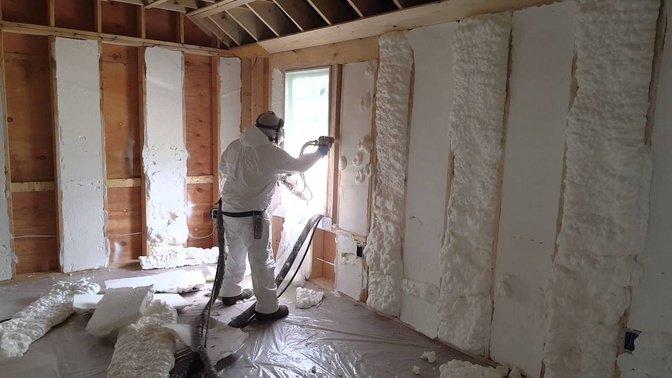
Spray foam, for example, needs to adhere directly to the substrate (like the attic floor or roof deck) to create an air seal. It cannot be applied over old fiberglass or cellulose. Similarly, if your home has old vermiculite insulation, you should never disturb it. Much of the vermiculite sold in the U.S. for decades was contaminated with asbestos, a known carcinogen. It requires professional testing and abatement, not layering.
Things to Consider Before Making a Decision
Before you buy new insulation, take a step back and evaluate the entire situation. A few key factors will guide you toward the right choice.
Complete an Attic Inspection
A thorough visual inspection is your first step. Grab a good flashlight and look for the red flags mentioned earlier: water stains on the roof decking, dark spots on the insulation, pest droppings, or areas that look packed down. Check the depth of the insulation. If it's below the top of your ceiling joists, you almost certainly need more.
Understand Vapor Barriers
A common mistake is creating a "double vapor barrier." Most fiberglass batts come with a paper or foil facing that acts as a vapor retarder. Its job is to stop moisture from your home's interior from getting into the insulation. If you lay new faced batts on top of old faced batts, you can trap moisture between the two layers. The rule is simple: only the bottom layer, closest to the heated living space, should have a vapor barrier. If you're adding more batts, use unfaced ones.
Bonus Tip: In colder climates, the vapor barrier always goes on the warm-in-winter side of the wall or ceiling. In hot, humid climates like the Gulf Coast, practices may differ, and it's best to check local building codes or consult an expert.
Long-Term Value vs. Short-Term Cost
Removing old insulation adds cost to the project. There are labor and disposal fees to consider. However, it's often a better long-term investment. Starting fresh ensures there are no underlying moisture or pest issues, allows for comprehensive air sealing, and guarantees you get the full R-value from your new insulation. The energy savings from a proper installation can often outweigh the initial cost of removal. To further clarify the decision-making process, here are answers to some common questions.
Questions People Ask About Insulation Layering
Can I mix different types of insulation?
Yes, mixing types is common. For example, it's perfectly fine to install blown-in fiberglass or cellulose over existing fiberglass batts. The blown-in material does a great job of filling gaps and creating a uniform layer over the joists and old batts.
How do I know if my old insulation has asbestos?
The primary suspect is vermiculite insulation, which looks like small, pebbly, grayish-brown or silvery-gold material. If your home was built before 1990 and has this type of insulation, you should assume it contains asbestos and not disturb it. The only way to know for sure is to have a sample tested by a certified lab.
Does old insulation lose its R-value over time?
Insulation material itself doesn't degrade or "expire." However, its effectiveness, or R-value, can be greatly reduced if it gets wet, dirty, or compressed. Once fiberglass is compacted, it never fully recovers its original loft or thermal resistance.
Is removing old insulation a DIY job?
While it's possible for a homeowner to do it, removing old insulation is an extremely messy and potentially hazardous job. Professionals have specialized vacuums and safety equipment to contain the dust and debris. If there's any suspicion of mold or asbestos, you should always hire a certified professional.
What is the cost difference between layering and full replacement?
Layering is cheaper upfront because you avoid the costs of removal and disposal, which can be several dollars per square foot. A full replacement is more expensive initially but can deliver better energy performance and peace of mind, leading to greater savings on utility bills over the life of the home.
The Right Choice Depends on Your Situation
Ultimately, deciding whether to layer new insulation or remove the old comes down to a careful assessment of what’s already there. If your attic insulation is in good shape and you just need more of it, layering is an efficient and cost-effective solution. But if there's any sign of water damage, pests, or compaction, a full replacement is the only responsible choice. This decision affects not just your energy bills but also your home's structural integrity and the health of everyone inside.
Get a Professional Insulation Assessment
For a reliable evaluation of your existing insulation, it’s best to consult with experienced technicians. An expert can spot subtle signs of trouble that a homeowner might miss and provide clear guidance based on years of fieldwork. Companies like Spray Foam Tech specialize in assessing attic conditions and can determine the most effective course of action. They can help you understand whether a simple top-up will suffice or if a full removal and replacement is needed to protect your home.
For more information or to schedule an inspection, readers can contact their team by calling (737) 777-9590 or sending an email to oldworldtx@hotmail.com.
Reviewer: Maria Lopez reviewed the article and brought 12 years of insulation industry experience to improve the guidance. Practical tips were added, and the content was made clearer and more useful for contractors working in the field every day.





