

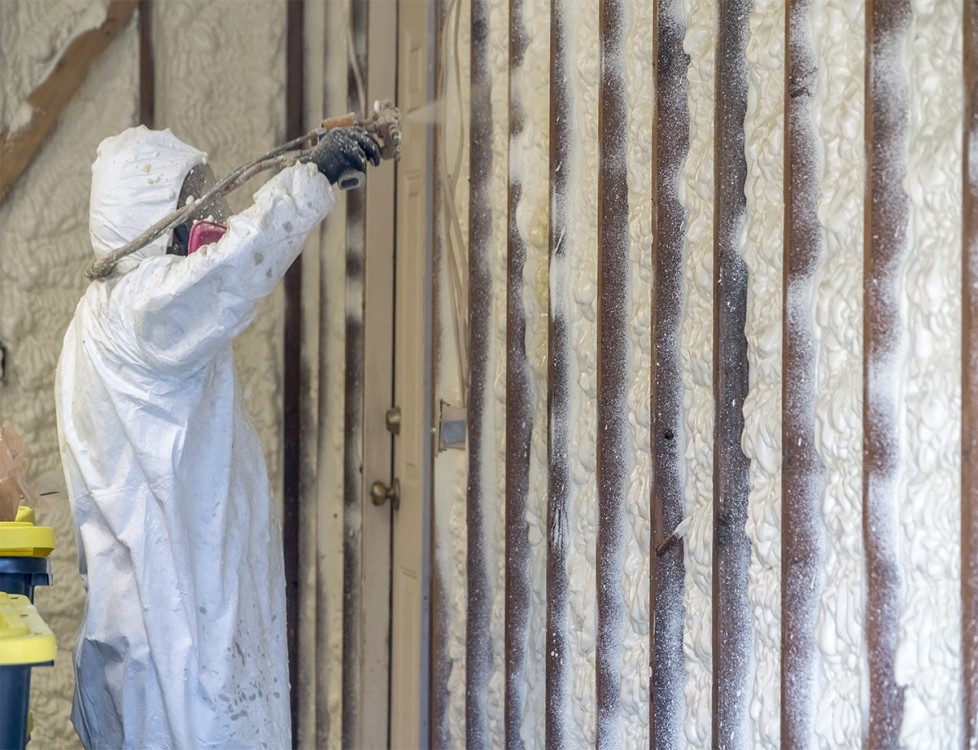
Proper insulation helps manage humidity levels inside a home by creating a complete barrier against air leakage and condensation. For homeowners who constantly battle a sticky, damp feeling, understanding this connection is the first step toward a real solution. A high-performance insulation system, particularly one using closed-cell spray foam, creates a seamless air seal that prevents humid outdoor air from infiltrating the building, while its ability to act as a vapor barrier keeps interior surfaces warm to prevent damaging condensation that can lead to mold and rot.
By taking control of both air and moisture movement, a professional insulation contractor allows a home's HVAC system to effectively manage indoor humidity. This guide, based on the hands-on experience of building performance professionals, will explain the science behind why homes become humid and how a modern insulation system provides a lasting defense for a more comfortable, healthy, and durable living environment.
The Two Main Reasons Your Home Feels Humid
A home that feels damp and sticky, even with the air conditioning running, is a home that has lost the battle against moisture. This battle is fought on two main fronts.

1. Uncontrolled Air Leakage
This is the biggest culprit. The average home is full of thousands of tiny, unsealed gaps and cracks. In a place with humid summers, these leaks act as a superhighway for hot, moisture-laden outdoor air to pour into your cool, air-conditioned home. This process is known as infiltration.
This constant influx of humid air places a massive load on your air conditioner. An AC unit is designed to do two jobs: cool the air and dehumidify it. When it is forced to deal with a continuous stream of incoming humidity, it can never catch up. This is why a leaky home can feel cool but still uncomfortably damp. Traditional insulation materials like fiberglass batts do nothing to stop this air movement.
2. The Problem of Condensation
Condensation is the other major source of moisture in a home. It occurs when warm, moist air comes into contact with a surface that is cold enough to be at or below the "dew point." In the summer, this happens when that hot, humid air that has leaked into your wall cavity hits the cold backside of your drywall, which is being chilled by your air conditioner. In the winter, it happens when the warm, moist air from inside your house leaks into a cold attic or wall cavity and hits the cold exterior sheathing. This hidden condensation is a leading cause of mold, mildew, and the slow rot of a home's wooden structure.
How a Professional Insulation System Solves the Humidity Problem
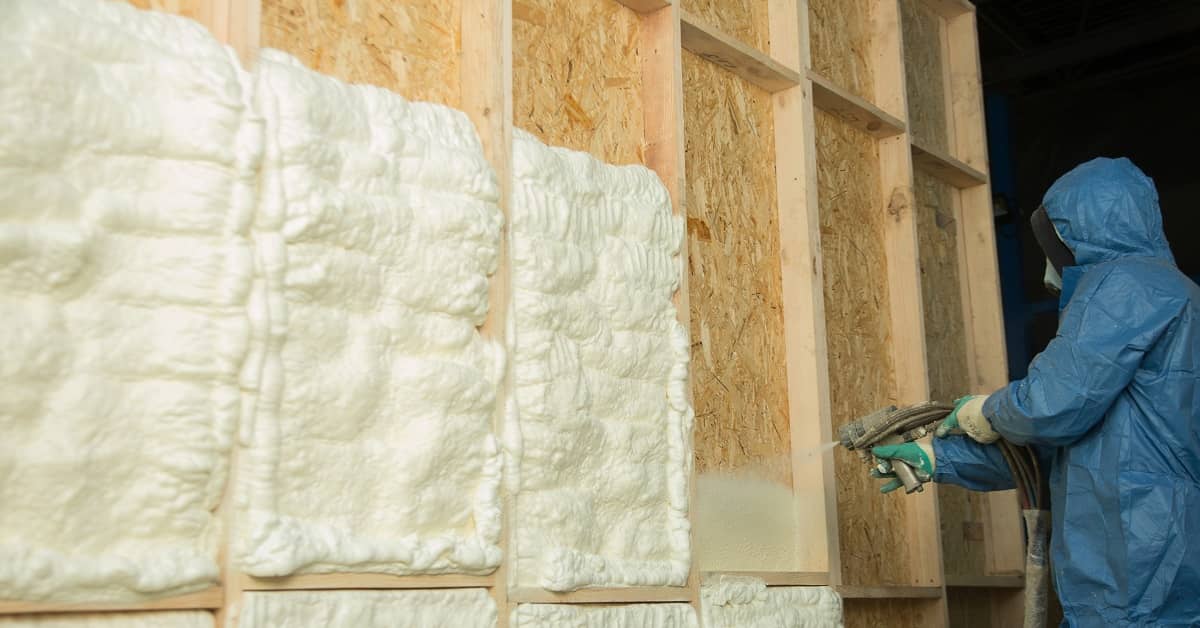
A modern, professional insulation installation system is designed to create an integrated barrier that effectively controls both air leakage and condensation.
The Power of a Complete Air Barrier
This is the feature that truly transforms a home's ability to manage humidity. Modern insulation solutions like spray foam are unique because they are applied as a liquid and expand to fill every single crack and seam. This creates a nearly perfect, monolithic air barrier. By stopping the uncontrolled infiltration of humid outdoor air, you are cutting off the primary source of the problem. Your HVAC system is no longer fighting a losing battle; it can now effectively and efficiently dehumidify the air that is already inside the house.

The Critical Role of a Vapor Barrier
A vapor barrier is a material designed to stop the movement of water vapor itself, which is essential for preventing condensation. Closed-cell spray foam is an "all-in-one" solution because it acts as a high-performance insulator, an air barrier, and a vapor barrier in a single application. Its dense, plastic cell structure is "vapor impermeable," meaning moisture cannot pass through it. When applied to the interior of the home's walls and roof deck, it stops the inward-driven moisture before it can ever reach a cold condensing surface inside the wall.
Here is a general comparison of how different insulation materials perform in controlling humidity:
|
Insulation Type |
Air Leakage Control |
Moisture (Vapor) Control |
|---|---|---|
|
Closed-Cell Spray Foam |
Excellent (Seamless Air Barrier) |
Excellent (Built-in Vapor Barrier) |
|
Open-Cell Spray Foam |
Excellent (Seamless Air Barrier) |
Poor (Vapor Permeable) |
|
Fiberglass Batts |
Poor (Does not stop air) |
Poor (Requires a separate, often imperfect, plastic barrier) |
|
Blown-in Cellulose |
Fair (Reduces some air movement) |
Poor (Highly absorbent; can hold a lot of moisture) |
The Broader Benefits of a Dry Home
The advantages of controlling your home's humidity go far beyond just feeling more comfortable.
A Healthier Indoor Environment
Mold and mildew thrive in damp environments. By keeping your home dry, you are eliminating the conditions that these fungi need to grow. This is a major benefit for your family's health, as mold spores are a primary trigger for allergies and asthma. A dry home is a healthy home.
A More Durable and Protected Structure
Moisture is the single biggest threat to a home's long-term durability. By keeping the wooden framing of your home dry, you are protecting it from the rot and decay that can compromise its structural integrity over time.
Bonus Tip: A key structural area to protect is the rim joist. This wooden perimeter, which sits on top of a home's foundation in a basement or crawl space, is a major source of humidity and air leakage. Insulating this area with closed-cell spray foam is one of the most cost-effective and impactful ways to improve a home's performance and durability.
Things to Consider for Your Home
- A Systems-Based Approach is Key: A high-performance home is a system. When you make a home very airtight, you must also have a plan for providing fresh, filtered air through a controlled, mechanical ventilation system. This ensures excellent indoor air quality without the energy penalty of random leaks.
- Professional Installation is Not Optional: The performance of spray foam as an air and moisture barrier is 100% dependent on the quality of the installation. It is essential to hire a certified, experienced professional who understands the building science of moisture control in your specific climate.
- Fix All Bulk Water Leaks First: An insulation and vapor barrier system is designed to control condensation and airborne moisture, not bulk water from a leak. Any existing roof leaks or plumbing leaks must be repaired before the insulation is installed.
Final Thoughts on a More Comfortable and Healthy Home
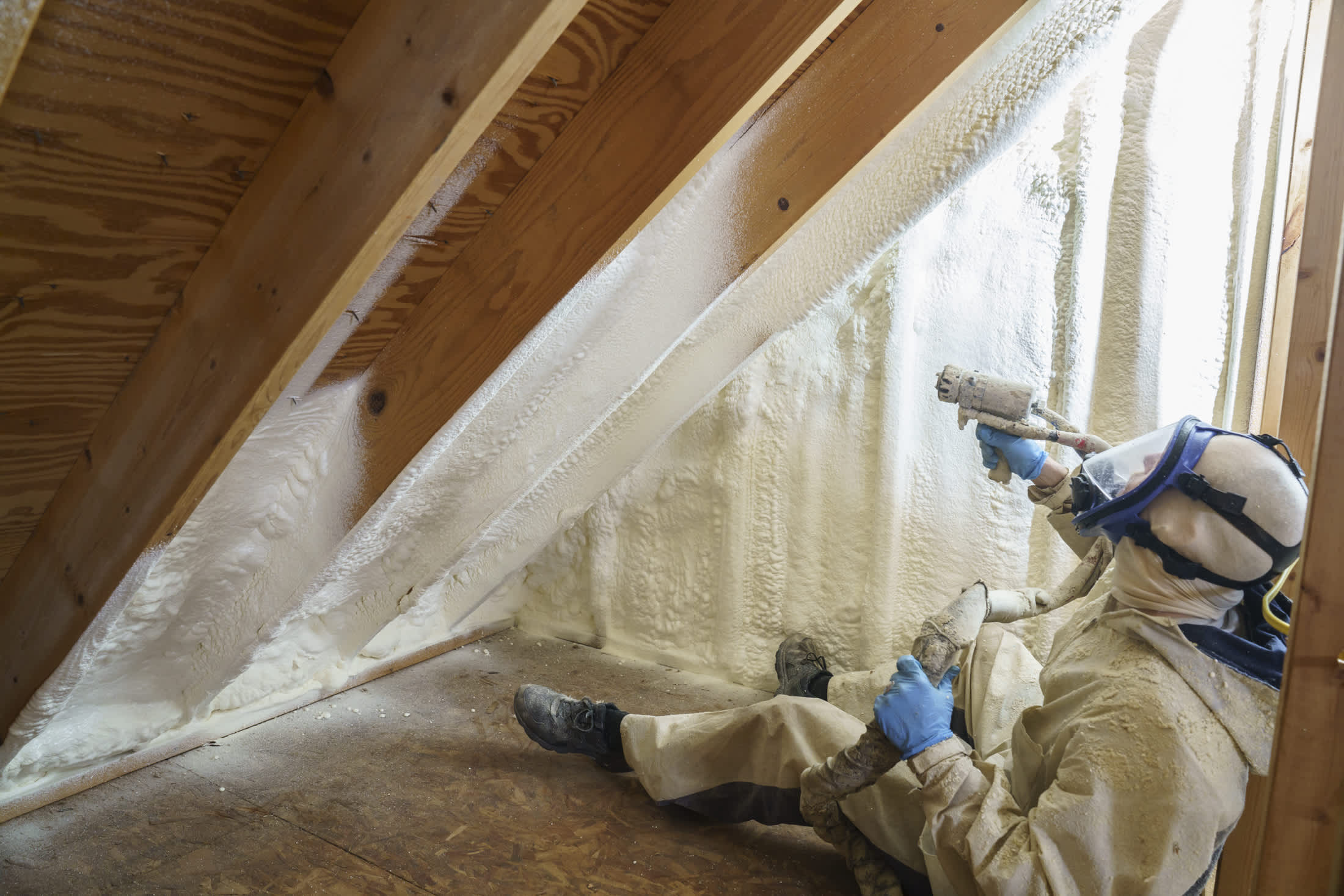
Controlling your home's humidity is not about buying a bigger air conditioner or running a fleet of dehumidifiers. It is about addressing the root cause of the problem: a building envelope that is not equipped to handle the local climate. By choosing a proper residential insulation system that provides a complete and permanent air and moisture barrier, homeowners can take control of their indoor environment, creating a home that is not just more comfortable, but also healthier, more durable, and more efficient for years to come. For homeowners ready to take that step, a professional evaluation is the best place to start.
Get a Professional Home Humidity Assessment
If you are tired of that sticky, damp feeling in your home and are concerned about the potential for hidden moisture problems, the first step is a professional evaluation. An experienced insulation contractor can diagnose the sources of your humidity issues and design a targeted solution. For homeowners looking for an expert opinion, the team at Foam Worx Spray Foam Insulation has deep expertise in solving the unique challenges of the local climate. They can be reached for a consultation by email at foamworxinsulation@yahoo.com or by phone at (507) 407-0678.
Reviewer: Jacob Wright has 6 years of experience in spray foam insulation. He reviewed this content and made sure it focused on the real decisions homeowners deal with every day.





