

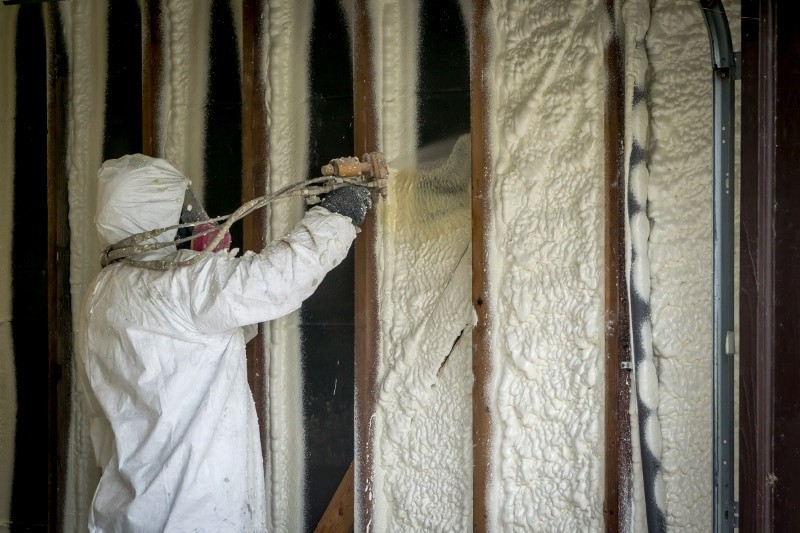
While spray foam insulation is known for its longevity, the technology itself has evolved dramatically over the last few decades. For homeowners in Chicago, IL, with its demanding climate of cold winters and humid summers, there are compelling reasons to consider upgrading foam that was installed 15, 20, or even 30 years ago. The main drivers for an upgrade are the significant improvements in the foam's chemical formulation, which have led to higher R-values and more environmentally friendly products. Modern application techniques, guided by a deeper understanding of building science, also mean a new installation can create a far more effective and durable building envelope.
This guide will explore these top reasons in detail, explaining the key differences between older and modern spray foam. The information is based on the practical experience of certified insulation professionals who are familiar with the entire history of this powerful technology.
1. Modern Foams Have a Higher R-Value
The fundamental job of insulation is to resist the flow of heat, and upgraded spray foam insulation in Chicago, IL is simply better at it. The chemical formulations have been refined over the years to create foams with a more efficient cell structure. This is especially true for closed-cell foam. While an older closed-cell foam might have had an R-value of around R-5.5 to R-6 per inch, many of today's high-performance products can achieve an R-value of R-7 per inch or even higher. This means that a modern foam can provide more insulating power in the same amount of space.

2. Today's Blowing Agents Are Environmentally Friendly
This is one of the biggest and most important advancements in the industry. The expansion of older closed-cell foams was driven by "blowing agents" that had a high impact on the ozone layer. The industry has since transitioned through several generations of chemicals, and today's modern closed-cell foams use blowing agents called hydrofluoroolefins (HFOs). These have a very low Global Warming Potential (GWP), often less than 1, which makes them a much more environmentally responsible choice. Upgrading an old foam installation is a significant way to improve a home's environmental footprint.
3. A Chance to Fix a Poor Initial Installation
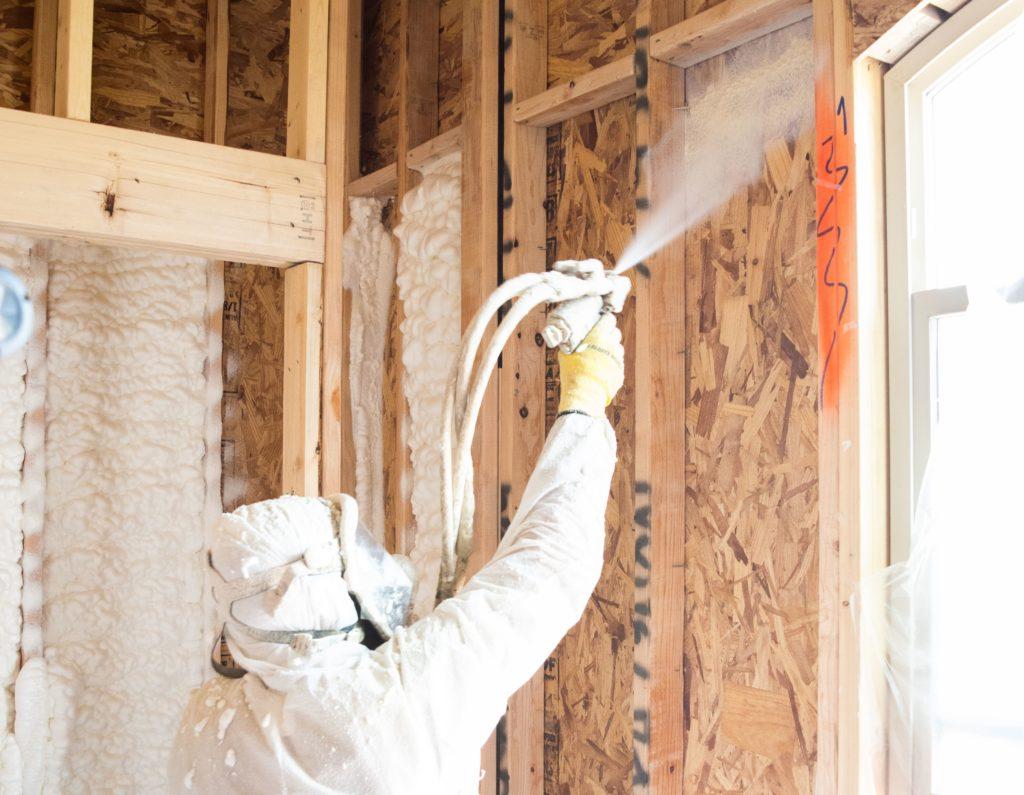
The performance of spray foam is entirely dependent on the quality of the installation. In the early days of the industry, there were fewer certified installers and a less complete understanding of the application science. This means that some older installations may have been done improperly. Common problems with old installations include:
- "Off-Ratio" Foam: The foam may have been mixed incorrectly, resulting in a product that is soft, sticky, or brittle and does not have the proper R-value.
- Poor Adhesion: The foam may be pulling away from the studs or sheathing due to an improperly prepared surface.
- Incomplete Fill: The installer may not have filled the cavities completely, leaving uninsulated gaps.
Upgrading provides an opportunity to have the old, failed product professionally removed and to have a new, high-quality system installed by a certified professional.
4. Better Building Science Means a Better System Design
Our understanding of how a house works as a system has grown immensely. An expert insulation contractor is not just an applicator; they are a building science expert. They understand concepts like vapor drive, air pressure dynamics, and the importance of ventilation, especially in Chicago's older housing stock. An upgrade allows a homeowner to benefit from this modern expertise. A new system can be designed to not only insulate but also to solve complex moisture and air leakage problems that the original installer may not have even been aware of.
5. Addressing the Degradation of Very Old Foams
While modern spray foam is designed to last for the life of the building, some of the very earliest foam formulations from the 1970s and 80s were not as stable. Over many decades, these very old foams can sometimes shrink, crack, or become brittle. While this is not a concern for foams installed in the last 20-25 years, for a home with a very old, first-generation foam, an upgrade is a way to restore the home's thermal performance and air seal.

6. Accommodating Renovations and Upgrades
If a homeowner is planning a major renovation that involves opening up the walls or the roof, it is the perfect opportunity to upgrade the insulation. The old foam will need to be removed to access the plumbing and electrical systems anyway. This provides a clean slate to install a new, high-performance system that will match the quality of the rest of the renovation.
7. Improved Fire Safety Characteristics
Modern spray foams have also seen advancements in their fire-retardant chemistry. While all spray foam applications require a thermal or ignition barrier like drywall to meet building codes, an upgrade is an opportunity to ensure the entire system is up to current standards. This includes both the improved foam and the properly installed safety layers, providing an extra measure of confidence.
8. Taking Advantage of Rebates and Incentives
Many utility companies and government programs offer significant financial incentives for homeowners who make major energy efficiency upgrades. By removing old, underperforming insulation and replacing it with a new, high-R-value system, a homeowner may be eligible for rebates and tax credits that can help to significantly lower the upfront cost of the project.
To put these advancements in perspective, the chart below directly compares the key differences between older spray foam and today's high-performance products:
|
Feature |
Older Spray Foam (pre-2000s) |
Modern High-Performance Spray Foam |
|---|---|---|
|
Typical Closed-Cell R-Value |
R-5.5 to R-6 per inch |
R-6.5 to R-7+ per inch |
|
Blowing Agent GWP |
High (Ozone-depleting) |
Very Low (Environmentally Friendly) |
|
Installation Expertise |
Less standardized; higher risk of poor installation. |
Highly standardized with certified professionals. |
|
Building Science Integration |
Often just a simple insulation. |
Designed as part of a complete home performance system. |
|
Fire Retardants |
Older chemical formulations. |
Modern, more effective, and safer formulations. |
Is a Spray Foam Upgrade Right for Your Home?
For most homeowners with spray foam installed in the last two decades, it's likely still performing well and there is no need for an upgrade. However, for those with very old, first-generation foam, or for anyone dealing with the consequences of a poor initial installation, an upgrade to modern materials can be a worthwhile investment. It's a way to take advantage of the massive advancements in the technology and to create a home that is more efficient, comfortable, healthy, and environmentally friendly for the long term.
Get a Professional Assessment of Your Existing Insulation
If you have older spray foam insulation in your home and are concerned about its performance or are considering an upgrade, the first step is a professional evaluation. An experienced and certified insulation contractor can assess the condition of your existing foam and provide a clear, data-driven recommendation. For homeowners in the Chicago area, the team at South Chicago Insulation has deep expertise in all generations of spray foam technology. They can be reached for a consultation by email at ask@southchicagoinsulation.com or by phone at (779) 803-8025.
Author: Bob Gasca attended his first spray foam training in 2007 and has continued to pursue yearly training to stay current with the latest technology and practices. He is a certified Spray Foam Master Installer through the SPFA and a member of the SPFA. Additionally, Bob serves as a Spray Foam Worldwide Ambassador, sharing information with spray foam professionals globally. Recently, he returned from a building science training, where he expanded his knowledge on how weather conditions affect home performance, helping him better diagnose and improve home health for families. Bob specializes in finding solutions to complex moisture and air infiltration issues.
Reviewer: Noah Gonzalez reviewed this article and drew on 9 years of experience to offer suggestions that make the guidance more directly useful for insulation contractors.





