

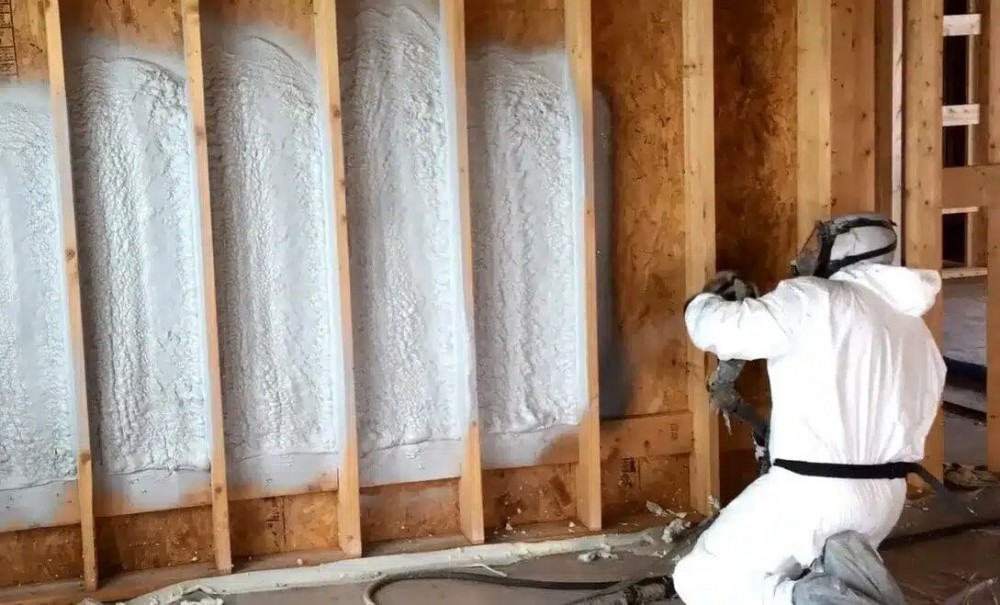
The primary environmental advantage of installing closed-cell spray foam in a Waltham, MA home is the drastic and permanent reduction in energy consumption. Its ability to create a nearly perfect air and moisture barrier means furnaces and air conditioners run far less, directly cutting a home's carbon footprint for decades. This high-performance insulation addresses the specific challenges of the Massachusetts climate, from cold, damp winters to humid summers, by minimizing the energy needed for heating and cooling.
While the manufacturing of any insulation material has an environmental cost, the long-term benefits of closed-cell foam's durability and energy efficiency offer a compelling net positive. Its inert, waterproof structure also means it won't need to be replaced, reducing future landfill waste. This article explores the specific environmental benefits that closed-cell foam provides for homeowners in the Waltham area, drawing from years of professional building science experience.
A Massive Reduction in Energy Consumption
The single biggest environmental impact a home has is its day-to-day energy use. For Waltham residents, this is largely driven by heating in the winter and, to a lesser extent, cooling in the summer. Closed-cell spray foam tackles this issue in two powerful ways.

First, it has an extremely high R-value, typically around R-6.5 to R-7 per inch. This is a measure of its resistance to heat flow. Compared to traditional insulation like fiberglass or cellulose, it provides significantly more insulating power in the same amount of space. A home with walls and an attic insulated with closed-cell foam simply holds its conditioned air better, requiring less energy to maintain a comfortable temperature.
Second, and perhaps more importantly, it acts as an all-in-one air and vapor barrier. Air leakage through tiny cracks and gaps in a building's structure can account for up to 40% of its heating and cooling costs. Closed-cell foam expands and hardens, sealing every one of those gaps and creating an airtight envelope. This stops drafts and prevents humid summer air from infiltrating the home, which reduces the load on the HVAC system. For a region like Waltham, which experiences high humidity, this moisture-blocking quality is a major benefit.
- Bonus Tip: To maximize these energy savings, homeowners should consider pairing a spray foam insulation upgrade with an energy audit. A professional audit can identify other sources of energy loss, like old windows or inefficient appliances, creating a whole-house approach to reducing environmental impact.
Exceptional Durability and Building Longevity
Environmental responsibility isn't just about energy savings; it's also about reducing waste. Closed-cell spray foam is an inert, waterproof, and rigid polymer that does not sag, settle, or degrade over time. Unlike other insulation types that may need to be replaced after 15 or 20 years, a proper installation of closed-cell foam is expected to last for the life of the building. This "install it once" characteristic means no future energy or materials will be spent on removal and replacement, and no old insulation will end up in a landfill, making it a sustainable choice for the long term.
The rigid nature of closed-cell foam also adds structural integrity to walls and roof decks, which can contribute to a building’s resilience against wind and weather. Furthermore, its resistance to moisture prevents the growth of mold and mildew. This not only protects the health of the occupants but also protects the building's wooden frame from rot and decay, extending the life of the entire structure and reducing the need for resource-intensive repairs. Beyond the foam's physical resilience, the materials used in its formulation have also evolved to be more environmentally friendly.
Modern Foam and Healthier Indoor Air
The conversation around spray foam's environmental impact has changed significantly in the last decade. Early criticisms often focused on the blowing agents used to expand the foam, which had a high Global Warming Potential (GWP). Today, the industry has largely shifted to using hydrofluoroolefin (HFO) blowing agents, which have a GWP that is over 99% lower than their predecessors.

The Evolution of Blowing Agents
|
Blowing Agent Type |
Common Acronym |
Global Warming Potential (GWP) |
Industry Status |
|---|---|---|---|
|
Old Generation |
HFC |
High (Often 1000+) |
Being phased out |
|
New Generation |
HFO |
Ultra-Low (Typically <1) |
Current standard |
This technological shift makes modern closed-cell foam a much more environmentally sound choice from a manufacturing standpoint.
Once cured, closed-cell foam is inert and stable, and it doesn't release dust or fibers into the air like some other insulation types. By creating an airtight seal, it also helps block outdoor pollutants, pollen, and dust from entering the home. This creates a healthier indoor environment, reducing reliance on energy-consuming air purifiers and contributing to the well-being of the people inside.
Things to Consider Before Making a Decision in Waltham
For Waltham homeowners, choosing the right insulation requires thinking about the local climate, the age of the housing stock, and long-term goals.
- Waltham's Climate Demands a Vapor Barrier: The cold winters and humid summers make moisture management a top priority. Closed-cell foam is an excellent choice for basements, crawl spaces, and any area below grade because it blocks moisture vapor from wicking through concrete foundation walls. This prevents damp, musty conditions that can lead to bigger problems.
- Suitability for Older Homes: Waltham has many beautiful older homes that are often poorly insulated and drafty. Spray foam is particularly effective in these situations because it can conform to irregular wall cavities and seal the countless small air leaks common in older construction.
- Ventilation is Key: When you make a home airtight, you must control how it gets fresh air. Sealing a home with closed-cell foam is often paired with the installation of a mechanical ventilation system, like a Heat Recovery Ventilator (HRV). This system creates a balanced, whole-house approach, bringing in fresh air while exhausting stale air and saving energy in the process.
- The Importance of a Qualified Installer: The environmental benefits of spray foam are entirely dependent on a correct installation. The chemical ratio, temperature, and substrate preparation must all be perfect. An experienced installer ensures the foam cures properly, performs as expected, and is safe for the home's occupants.
- Bonus Tip: When insulating a basement in an older Waltham home, it's worth asking an installer about applying foam directly to the fieldstone or concrete foundation walls. This technique can help stabilize old foundations while providing superior insulation and moisture control.

Questions People Ask About Closed-Cell Foam
Is closed-cell foam a green product?
While the components are chemical-based, its ability to drastically reduce a building's energy consumption over its 50+ year lifespan gives it a strong green profile. The long-term energy savings and waste reduction typically outweigh the initial manufacturing impact, especially with new, low-GWP blowing agents.
How does closed-cell foam handle moisture?
It is a non-permeable material, meaning it acts as a complete barrier to both water and water vapor. This makes it an ideal choice for basements, crawl spaces, and wall assemblies in climates with high humidity, as it prevents moisture from entering and causing mold or rot.
Will my house be able to breathe with spray foam?
Houses don't need to "breathe" through random cracks; they need controlled ventilation. Sealing the structure with closed-cell foam and then managing air exchange with a mechanical system is the modern, energy-efficient approach to ensuring healthy indoor air quality.
What is the payback period for closed-cell foam?
The upfront cost is higher than for other insulation types, but the payback period comes from significant monthly energy savings. While it varies based on the house and energy prices, many homeowners see a return on their investment in 5 to 7 years, after which the savings continue for the life of the home.
Can I install closed-cell foam myself?
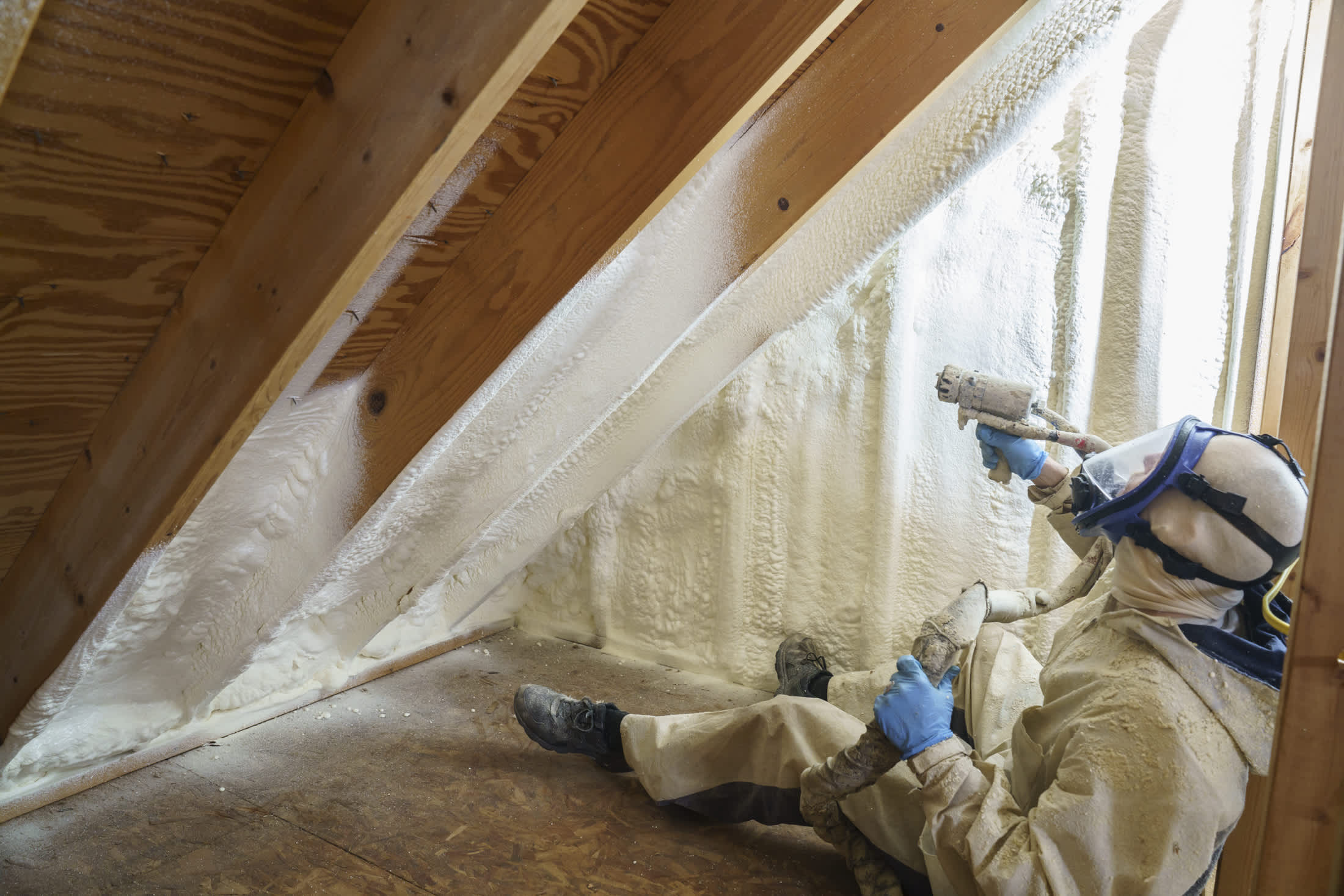
No, this is not a DIY product. It requires a two-component chemical system, specialized equipment, and extensive training to install safely and correctly. A professional installation is necessary to ensure it performs as designed and cures to an inert, safe state.
A Lasting Environmental Investment
For homeowners in Waltham, MA, installing closed-cell spray foam insulation services represents a direct investment in a home's long-term environmental performance. The immediate and substantial reduction in energy use, combined with the material's longevity that prevents future waste, provides clear and lasting advantages. It is an effective solution for the challenges of the New England climate, leading to a more comfortable, durable, and energy-efficient home.
Finding an Expert for Your Waltham Home
Understanding how to best apply these modern insulation solutions to a specific property requires hands-on experience. Homeowners interested in exploring the benefits of closed-cell foam should seek out a qualified insulation contractor who understands local building codes and climate challenges. A thorough evaluation from an expert can provide a clear path toward improving a home's energy performance.
For those in the Waltham area looking for a professional assessment, the team at Lamothe Spray Foam Insulation offers years of expertise. They can be reached for a consultation by phone at (508) 847-0119 or by email at LamotheInsulation@gmail.com.
Author: Robert Lamothe, owner and lead installer of Lamothe Insulation, has over 20 years of experience in spray foam insulation, carpentry, and building science, focusing on creating energy-efficient and durable homes.
Reviewer: Ethan Taylor reviewed this piece for clarity and accuracy, drawing on his 8 years of experience in the spray foam industry to ensure the advice is practical and easy to understand.





