

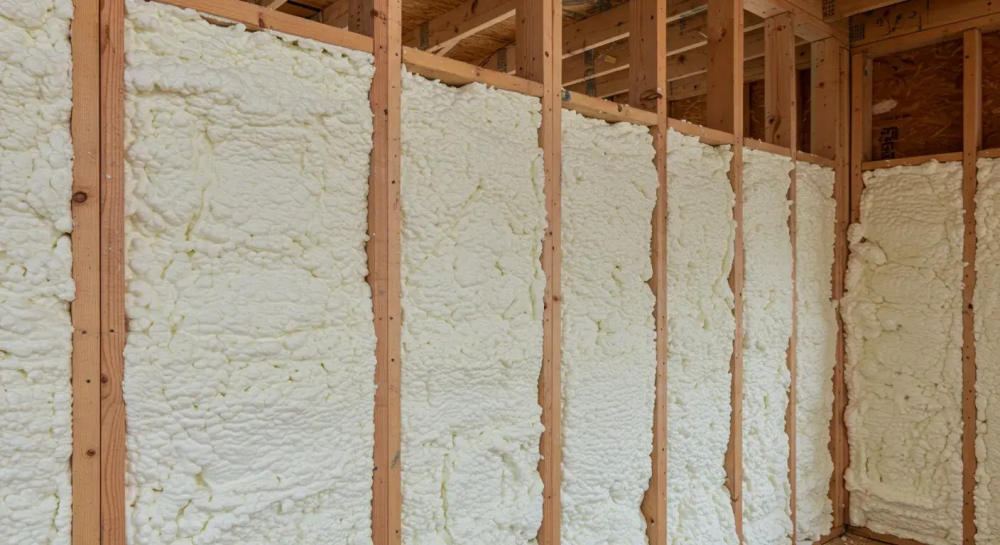
If you live in Grayson, Georgia, and find yourself reaching for thick socks on winter mornings, your home's insulation is very likely the cause of your freezing cold floors. For houses built over a crawl space or an unconditioned basement, inadequate or failing insulation underneath the main floor is the most common reason for this discomfort. Cold air from the vented, uninsulated space below infiltrates the floor structure, pulling heat out of your living area and leaving surfaces like hardwood and tile feeling icy to the touch.
This problem is more than just a minor annoyance; it's a sign of significant energy loss and potential moisture issues. This guide explains exactly why your floors are cold and what you can do about it, based on established building science. We’ll look at the common insulation failures found in local homes and explore the most effective insulation solutions in Grayson, GA to create a warmer, more energy-efficient living space.
The Real Reason Your Floors Are Cold
The feeling of a cold floor is a direct result of heat transfer. In many Grayson homes, the space beneath the main living area, the crawl space, is vented to the outside. During the winter, this means the air in your crawl space is nearly as cold as the air outdoors. Without a proper thermal barrier, that cold air constantly pulls warmth from the floor above it through a process called conduction.
This is made worse by the "stack effect." As warm air from your heating system rises and eventually leaks out of the upper levels of your home, it creates a slight vacuum that pulls cold air in from the lowest points, namely the crawl space. This air is then drawn up through tiny cracks and gaps in your floorboards, creating drafts and making the floors feel even colder. Essentially, your uninsulated crawl space is acting like a giant refrigerator underneath your house.
Common Insulation Problems Underneath Your Home
A quick look into most older crawl spaces will reveal one or more common insulation failures. These issues render the existing material almost useless.
Sagging or Fallen Fiberglass Batts
The most frequent problem is with traditional fiberglass batt insulation. It’s often installed between the floor joists and held up by wires or friction. Over time, due to humidity, gravity, or pest activity, these batts absorb moisture, become heavy, and sag or fall completely to the ground. This leaves large sections of your subfloor completely exposed to the cold air, creating major cold spots in the rooms above.
Insufficient R-Value
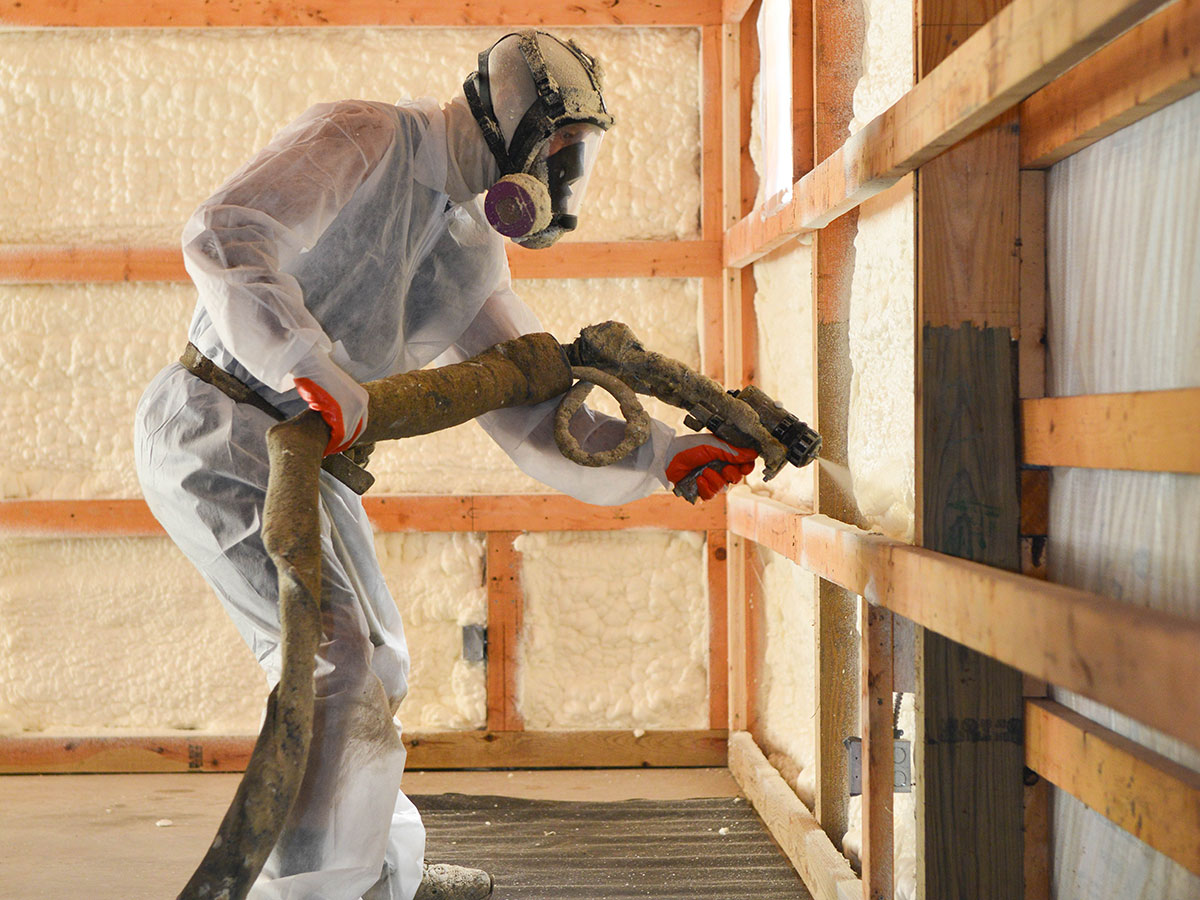
Building codes and energy standards have changed over the years. Many older homes were built with insulation that simply isn’t thick enough for modern efficiency. For floors in Grayson's climate zone, an R-value of at least R-19 is recommended. If your home has only a few inches of old insulation, it doesn't have enough thermal resistance to stop the heat loss.
Bonus Tip: A tell-tale sign of under-insulated floors is when certain rooms, especially those at the corners of the house, are noticeably colder than others. This often corresponds to where the crawl space insulation is most compromised.

Moisture and Mold Issues
Georgia's humid climate is tough on crawl spaces. Vented crawl spaces draw in moist air, which then condenses on cooler surfaces like ductwork and the subfloor. This moisture gets absorbed by fiberglass or cellulose insulation, destroying its R-value and creating a perfect breeding ground for mold and mildew. This not only causes musty odors in the home but can also lead to wood rot over time.
A Comparison of Crawl Space Insulation Materials
Choosing the right material is critical for a long-lasting solution. Not all insulation can handle the challenging environment of a crawl space.
Insulation Material Performance Breakdown
|
Insulation Type |
Air Sealing Ability |
Moisture Resistance |
Longevity |
|---|---|---|---|
|
Fiberglass Batts |
Poor (Air passes through easily) |
Very Poor (Absorbs moisture) |
Poor (Prone to sagging/falling) |
|
Rigid Foam Board |
Good (If seams are taped) |
Excellent (Does not absorb water) |
Excellent (Stable and durable) |
|
Closed-Cell Spray Foam |
Excellent (Creates a perfect seal) |
Excellent (Acts as a vapor barrier) |
Excellent (Lasts life of the home) |
This comparison highlights why modern insulation professionals often recommend closed-cell spray foam or rigid foam board for crawl spaces. These materials are inorganic, do not absorb water, and provide an effective air barrier, addressing the root causes of cold floors far better than traditional fiberglass.
Things to Consider Before Making a Decision
Before you invest in new insulation, there are a few important steps to take to ensure the project is successful.
Address the Source of Moisture
Simply adding new insulation to a damp crawl space will not solve the problem. It’s essential to first control any ground moisture. This usually involves putting down a thick plastic vapor barrier that covers the entire dirt floor and sealing it at the seams and foundation walls. In some cases, improving exterior drainage or installing a sump pump may be necessary.
Venting vs. Encapsulation
The modern approach to crawl spaces in the Southeast is encapsulation. This involves sealing the foundation vents, laying down a vapor barrier, insulating the foundation walls instead of the subfloor, and adding a dehumidifier. This method turns the crawl space into a clean, dry, semi-conditioned area, which stops cold air infiltration entirely and dramatically improves indoor air quality.
Bonus Tip: Encapsulating a crawl space not only warms up the floors but also protects any HVAC equipment and ductwork located there, making your heating and cooling systems more efficient.

The Importance of Air Sealing
Regardless of the insulation type you choose, air sealing is critical. Before any insulation is installed, all gaps and cracks should be sealed. This includes the sill plate where the house frame rests on the foundation, as well as any holes drilled for plumbing, wiring, or ductwork. This step alone can make a huge difference in stopping drafts.
Questions Homeowners Ask About Cold Floors
Here are some answers to common questions about solving this uncomfortable problem.
What R-value is best for floors in Grayson, GA?
The U.S. Department of Energy recommends a minimum of R-19 for floors in this climate zone. However, for homes with particularly bad cold floor issues or for homeowners seeking maximum comfort and efficiency, going up to R-30 can provide even better performance.
Will insulating my crawl space get rid of musty smells?
It is a huge part of the solution. When you remove old, damp insulation and install a new, moisture-resistant material while also controlling ground moisture with a vapor barrier, you eliminate the source of mold and mildew growth. This is the most effective way to get rid of those musty crawl space odors.
Can I just add new insulation over the old, fallen stuff?
This is never a good idea. The old insulation is likely dirty, damp, and possibly contains mold spores or pest droppings. It should be completely removed and the area thoroughly cleaned before any new material is installed to ensure a healthy and effective result.
Does the type of flooring I have make a difference?
Yes, the material itself affects how cold the floor feels to the touch. Hard surfaces like tile, stone, and vinyl plank flooring will always feel colder than carpet because they conduct heat away from your body more quickly. However, the root cause of the cold is the heat loss through the subfloor, which insulation corrects.
Is crawl space encapsulation expensive?
It is a more significant investment than simply replacing underfloor insulation. However, because it solves air leakage, moisture, and insulation problems all at once, the long-term benefits for energy savings, indoor air quality, and structural preservation often provide a strong return.
A Final Word on Fixing Cold Floors
Cold floors in your Grayson home are more than just a nuisance; they are a clear sign that your home's thermal boundary is broken. The real solution lies beneath your feet, in the crawl space. By removing old and ineffective insulation, controlling moisture, sealing air leaks, and hiring a professional insulation contractor, you can eliminate heat loss at its source. The result is warmer floors, lower energy bills, improved air quality, and a more comfortable living environment throughout your home. This not only makes your floors warmer but also lowers your energy bills, improves your home's air quality, and makes your entire living space more comfortable.
Get a Professional Assessment of Your Crawl Space
Figuring out the best way to fix a cold, damp crawl space can be tricky. A professional evaluation can identify the specific causes of the problem and outline the most effective solutions. For homeowners in the Grayson area, the team at Makeover Insulation offers expert assessments based on years of local experience. They can help you understand your options, from simple insulation replacement to full encapsulation, and provide a clear plan to make your home more comfortable. To schedule an inspection, you can contact them at sales@makeoverinsulation.com or by calling (470) 664-5300.
Reviewer: Ava Clark shared her input based on 6 years of working with spray foam insulation teams. Her focus on customer trust and communication helped shape key parts of this post.





