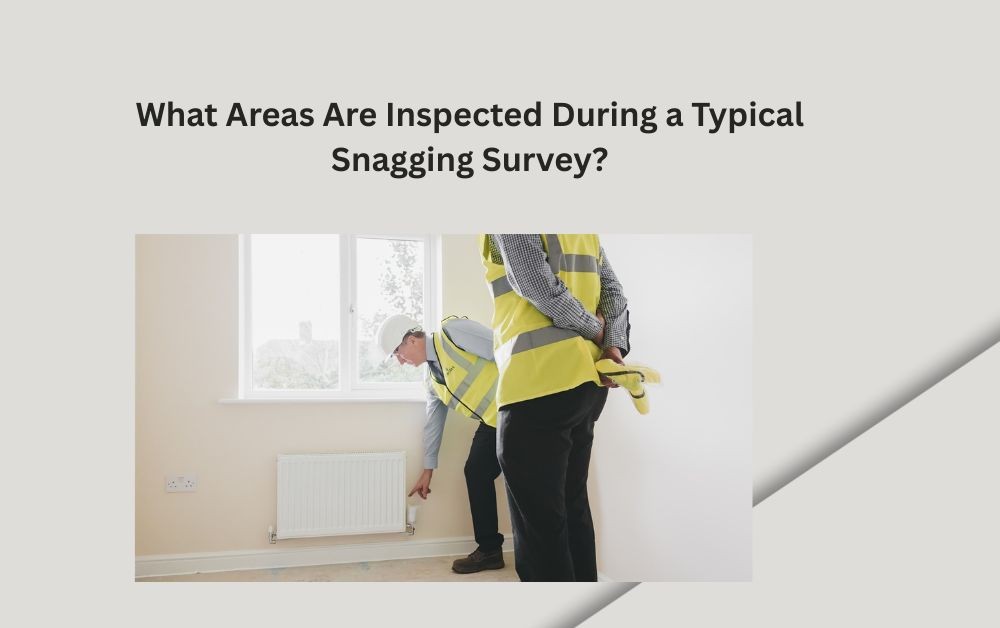
Buying a new home can be a thrilling time, but one that is fraught with potential problems. Small issues with construction or finishes, or improper installation can lead to big problems down the road. That’s where snagging services come in. Snagging surveys are professional inspections that highlight problems with new or refurbished properties. Getting to know what is checked in a regular snagging inspection, can also assist homeowners, tenants and investors alike in ensuring that their property gets delivered in perfect condition.
Why Snagging Surveys Are Important
Note: Ensure your new property is flawless and defect-free with professional Snagging Services in Dubai, providing detailed inspections and peace of mind.
A snagging survey helps you spot defects before moving in or taking full possession of a property. These defects can include faulty plumbing, uneven floors, poorly painted walls, or electrical issues. By identifying problems early, you can request corrections from developers or contractors, saving money, time, and stress.

Snagging surveys are not just for homeowners—they are also essential for investors and property managers to maintain property standards and protect their investments.
Structural Elements

Walls and Ceilings
One of the first areas inspected during a snagging survey is the structural finish. Inspectors look for:
- Cracks or dents in walls and ceilings
- Uneven plaster or paint finishes
- Signs of dampness or water damage
Floors

The survey also examines floors for any issues, including:
- Uneven or sloping floors
- Loose tiles or gaps in wooden flooring
- Scratches, chips, or other visible defects
Doors and Windows
Doors and windows are checked to ensure they function properly and are fitted securely. Inspectors look for:
- Misaligned frames
- Gaps that may cause drafts or water leaks
- Faulty locks or handles
Electrical Installations
Sockets and Switches
Electrical outlets, light switches, and plugs are tested to make sure they work safely. Inspectors check for:
- Loose or damaged sockets
- Proper installation of switches
- Electrical safety compliance
Lighting Fixtures
All installed lighting is tested, including ceiling lights, wall lights, and outdoor fixtures. Inspectors ensure:
- Lights function correctly
- Fittings are secure
- Wiring is properly concealed
Plumbing and Water Systems
Taps and Faucets
Plumbing is a major part of the snagging survey. Inspectors check taps, faucets, and showers to ensure:
- There are no leaks
- Water pressure is correct
- Temperature controls work properly
Bathrooms and Kitchens
Bathrooms and kitchens are examined for:
- Proper drainage
- Correct installation of sinks, showers, and toilets
- Quality of tiles and finishes around wet areas
Hot Water Systems
Inspectors also test hot water systems, boilers, or water heaters to make sure they operate efficiently and safely.
Finishes and Fixtures
Paint and Wallpaper
The snagging survey evaluates the quality of paintwork and wallpaper application. Inspectors look for:
- Uneven paint layers
- Smudges or stains
- Bubbles, tears, or misalignment in wallpaper
Cabinets and Cupboards
Kitchen and bedroom cabinets, closets, and cupboards are tested for:
- Proper alignment and secure fitting
- Smooth operation of doors and drawers
- Quality of handles and hinges
Counters and Worktops
Worktops in kitchens or bathrooms are checked for:
- Scratches, cracks, or stains
- Proper sealing around edges
- Stability and secure installation
Safety and Compliance
Smoke Alarms and Fire Safety
Snagging inspections also cover safety features, including:
- Proper installation of smoke alarms
- Fire exits and signage
- Compliance with local building and safety codes
Balconies and Railings
Balconies, terraces, and railings are tested to ensure they are secure and safe for use. Inspectors look for:
- Loose fittings
- Rust or corrosion on metal parts
- Uneven or unsafe surfaces
Benefits of Thorough Snagging Inspections
- Peace of Mind – Knowing every part of your property has been inspected gives you confidence before moving in.
- Cost Savings – Identifying defects early prevents expensive repairs later.
- Better Quality Control – Developers are more likely to correct defects promptly when issues are officially documented.
- Long-Term Protection – Regular snagging ensures your property remains in excellent condition and retains value.
Final Thoughts
One typical snagging survey will look at types of the property from structural corners such as walls, ceilings and floors to fittings, plumbing, electrical installation and safety installations. Dropping off the checklist pay attention to these areas so that any defects are found and fixed with no need of affecting your move in.
Investing in professional snagging is not only an investment in protecting your money, but ensuring that your new property is safe, workable and ready to live.