

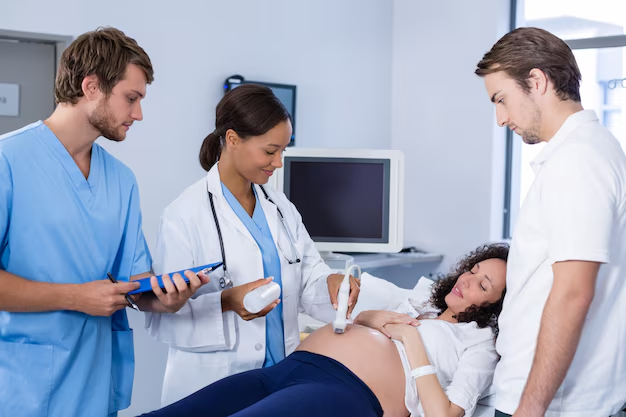
Infertility is not only physically strenuous but also psychologically exhausting, with the couples desperate at times. Advancements in modern medicine have led to the development of minimally invasive techniques, such as laparoscopy and hysteroscopy, which are now considered essential tools for diagnostic and therapeutic purposes in reproductive health. The techniques not only diagnose hidden reasons for infertility but also treat it, greatly improving the chances of conception..
When fertility issues are involved, having the right experts becomes very important. Women mostly begin by searching online for “gynaecologists near me” because being close to the local professionals who have a name for themselves makes it easy to visit and get treatment.
Understanding Laparoscopy in Fertility Treatment
Laparoscopy is a small operation which allows doctors to see and treat diseases in the pelvis. A thin, lighted tube is passed through a small surgical opening in the abdominal wall and provides a clear view of organs such as the ovaries, fallopian tubes, and uterus.

Laparoscopy is used frequently to:
- Diagnose and treat endometriosis, a condition often linked with infertility.
- Check for adhesions or scarring within the pelvis.
- Screen for and treat fallopian tube blockage.
- Remove fibroids or cysts in the ovaries that can block pregnancy.
Unlike traditional surgery, laparoscopy offers quicker recovery, minimal scarring, and less discomfort. For infertile couples, this works like magic in identifying the causes behind pregnancy struggles and guiding the right treatment.
The Role of Hysteroscopy in Enhancing Fertility
Hysteroscopy examines the uterus and is performed with a hysteroscope, a narrow, lighted tube with a camera on the end, inserted through the vagina and cervix. It's not incisional surgery in the abdomen, so it's a simpler surgery with faster recovery periods.
Hysteroscopy is used primarily to:
- Diagnose and fix uterine abnormalities such as polyps or fibroids.
- Detect congenital uterine abnormalities that can interfere with implantation.
- Assess abnormal bleeding or recurrent pregnancy loss.
- Peel away scar tissue or intrauterine adhesions.
Since the uterus is where implantation occurs, it needs to be open and healthy so that conception will follow. By diagnosing and correcting underlying issues, hysteroscopy improves fertility in most women with unexplained infertility.

When Should You Proceed with These Procedures?
Fertility issues usually require hysteroscopy or laparoscopy. They are reserved after preliminary tests, such as ultrasound, hormonal profile, and semen analysis, have failed to identify the issue. A few situations where such tests prove valuable are:
- Menstruation problems or dysmenorrhea.
- History of past pelvic infection or surgery.
- Failure to conceive with normal reports on the preliminary tests.
- Recurring miscarriage.
- Suspected fibroids, polyps, or blocked fallopian tubes
If you are unsure whether these procedures are right for you, it’s best to seek the advice of an experienced professional. A quick search for “gynaecologists near me” can connect you to experts who can provide guidance tailored to your health history.
How These Procedures Improve Fertility Outcomes
The advantages of hysteroscopy and laparoscopy extend beyond diagnosis; they can also treat the underlying cause at the same time. This reduces the time gap in infertility treatment and improves the chances of natural conception or ART like IVF.
Some of the significant changes observed after such procedures are:
- Restoration of the architecture of the pelvis by excision of adhesions or scar tissue.
- Fixing structural defects in the uterus.
- Increased chances of successful implantation of the embryo.
- Increased success of fertility treatments like intrauterine insemination (IUI) or IVF.
Fertility procedures like IVF or intrauterine insemination (IUI) lead to successful outcomes in most women within a span of months since their reproductive system has been returned to good health.
Choosing the Most Appropriate Facility for Fertility Procedures
The success of hysteroscopy and laparoscopy highly depends on the expertise of the physicians and the medical facilities of health centres. Clients search online for “ a pregnancy hospital near me”; one which provides comprehensive reproductive health care, ranging from advanced diagnostic tests and procedures.
Consider the following criteria when choosing a hospital:
- Whether expert gynaecologists and fertility specialists are present.
- Whether facilities are available to provide modern equipment and machines.
- A cosy centre where patient comfort and privacy are given priority.
- Pre and post-procedure counselling and treatment are provided to support couples on their fertility journey.
Proximity is important as well. A well-known pregnancy hospital nearby not only facilitates easy consultation visits but also gives better access to care during recuperation.
Cloudnine: Comprehensive Fertility and Gynaecological Care
Cloudnine is renowned as a pioneering women's care centre that offers high-quality fertility treatment with emotional support. Having highly experienced specialists and best-in-class infrastructure, the hospital performs laparoscopy, hysteroscopy, and other gynaecological surgeries.
Women browsing for “gynaecologists near me” discover that Cloudnine offers in-depth evaluations, minimally invasive procedures, and patient-focused care that makes them feel listened to and cared for. Similarly, couples seeking a good pregnancy hospital near me discover that Cloudnine blends modern medicine with love and is therefore the best choice for fertility care.
Preparation for Laparoscopy or Hysteroscopy
Before the procedures, doctors perform a thorough evaluation to ensure they are safe and effective. Preparation may include:
- Imaging tests and blood work.
- Fasting for a couple of hours before the procedure.
- Extensive discussion of risks, benefits, and recovery.
Following the treatment, patients are usually advised to rest for a short period before resuming their usual activities. Pain is minimal and easily manageable, and most women can resume work within a few days.
Emotional Support During the Journey
Aside from the health aspect, infertility is also emotionally challenging. Stress, frustration, and anxiety are common. Support from their partners, counselling, and openness to experts can help them cope better. Cloudnine also provides supportive environments wherein couples are medically treated and psychologically counselled.
Conclusion
Laparoscopy and hysteroscopy have revolutionised fertility treatment by offering minimally invasive options to diagnose and treat hidden reproductive issues. For infertile women, the techniques offer them new windows of hope. From searching online for “gynaecologists near me” or “pregnancy hospital near me” to receiving proper treatment, making the right choice becomes important.
With experience and advanced technology, Cloudnine is a dependable partner on the path of parenthood for women. With caution and precision, it addresses fertility issues and helps make the dream of becoming a parent come true.





