
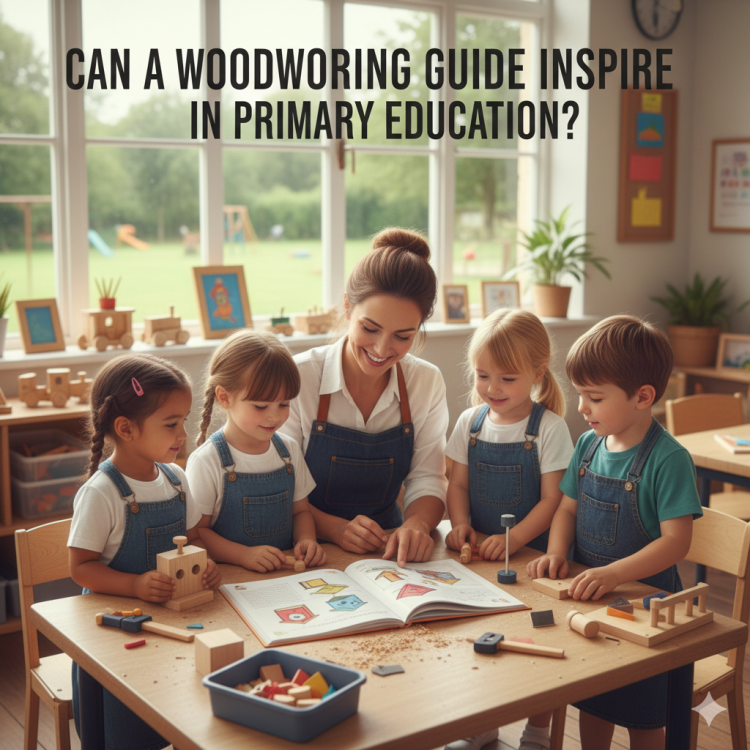
Education today is about more than textbooks and tests. It is about shaping curious minds that can think, create, and build. When children engage in hands-on activities, they learn lessons that stay with them for life. One such practical subject that deserves a place in primary learning is woodworking. A simple Woodworking Guide can become a bridge between creativity and real-world skills. It can teach children patience, focus, and the joy of making something by hand.
The Power of Hands-On Learning
Children love to create. They are naturally drawn to materials they can touch and shape. When they cut, sand, or fit wooden pieces together, they discover how things work. This kind of learning is not just fun. It builds coordination, planning, and confidence.
Woodworking also encourages critical thinking. When a child makes a mistake, they learn to fix it. When a piece does not fit, they try another method. Each small action helps develop problem-solving skills. Schools can use this approach to nurture independent and thoughtful learners.

Why Woodworking Fits in Early Education
Modern classrooms often rely on screens. While technology is useful, it limits physical creativity. Woodworking brings back balance. It teaches children that real objects require patience and precision.
By working with wood, children understand shapes, measurements, and basic geometry. They also develop responsibility when handling tools safely. These lessons go beyond craftwork. They shape habits that improve discipline and focus in other subjects too.
Moreover, teamwork often grows in such classes. Students can collaborate on projects and share ideas. It helps build empathy, communication, and leadership.
Encouraging Curiosity and Imagination
Young learners are always curious. They love to explore how simple materials can turn into useful objects. Woodworking satisfies that curiosity. It allows children to see the result of their effort, which motivates them to learn more.
Through creative design, they can express themselves freely. They can make birdhouses, small shelves, or decorative boxes. The joy of building something from start to finish gives a sense of purpose. Every cut or measurement becomes a step toward confidence and creativity.

In time, students begin to think like makers. They start noticing patterns in nature and objects around them. They learn to connect imagination with action.
The Role of Beginner Woodworking Projects
Introducing Beginner Woodworking projects can make this subject easy and enjoyable. Children can start with simple tasks such as sanding or joining wooden blocks. These basic exercises build a strong foundation for more detailed projects later.
As they grow, they can learn about design and measurement in deeper ways. They can sketch, plan, and then create their ideas. Such activities are both educational and therapeutic. They keep young minds active and engaged.
In fact, even small projects teach patience. Finishing a project may take time, but the sense of achievement that follows is priceless. It teaches perseverance and self-belief.
Guiding Young Minds with Creativity
Teachers play a key role in this process. They do not have to be experts in carpentry. With proper resources and planning, any educator can guide students safely. Schools can start with simple tools and basic lessons. Over time, as confidence grows, more detailed topics can be added.
A classroom that supports creativity through practical tasks becomes a space for discovery. Children learn not just to build things, but to believe in their own potential.
Encouraging creativity through hands-on lessons also strengthens other academic skills. When children measure, calculate, and adjust, they are practicing math and science in real time. It becomes learning with purpose.
The Support of a Strong Home and School Connection
Parents also play a big part in promoting creative education. When they encourage practical learning at home, it strengthens classroom lessons. Some parents may even join workshops or small projects with their children. This shared activity builds connection and pride.
Schools can also organize exhibitions or fairs. Students can display their work and explain how they made it. Such events motivate others to participate and explore their own creative side.
When home and school work together, children get the best of both worlds. They feel supported in their curiosity and confident in their skills.
The Value of Modern Learning Materials
In today’s world, access to digital resources makes learning easier. Online tutorials, videos, and guides help teachers and students alike. With a reliable Woodworking guide, even complex concepts can be made simple for young learners.
It provides structure while allowing flexibility. Students can explore new methods while following safe steps. This approach keeps learning exciting without losing focus on safety or skill development.
Modern materials and visuals make woodworking appealing to a new generation. They see that craftsmanship is not outdated but evolving with time.
Expanding Creative Thinking Beyond the Workshop
The lessons learned from woodworking extend far beyond the classroom. A child who learns to plan, create, and adjust develops life skills. They learn the value of patience, the importance of detail, and the beauty of persistence.
Woodworking also teaches appreciation for natural materials. Children understand the value of wood, its texture, and its connection to the environment. This awareness often leads to more sustainable habits as they grow.
Through such learning, students build respect for craftsmanship and creativity. They see that great work requires care and time.
The Role of a Home and Garden Environment
Creativity thrives in the right space. At home, parents can encourage children to apply what they learn in school. A small Home and Garden setup can be an ideal place to explore creative ideas. Simple projects like planting, painting, or building small stands can connect indoor and outdoor learning.
Such activities help children appreciate both function and beauty. They learn how design fits naturally into living spaces. Combining nature with craft enhances awareness and balance.
A well-structured Home and garden guide can further support families who wish to bring this learning to life. It can offer ideas, safety instructions, and practical plans for continued exploration.
Conclusion
Creativity begins when we allow young minds to imagine and build. By introducing practical learning early, we prepare children for a balanced and confident future. Schools and parents can work together to create lessons that inspire, motivate, and engage. A simple yet structured Woodworking Guide has the power to turn imagination into skill. It teaches not only how to build with wood but also how to build confidence, patience, and purpose in life.