

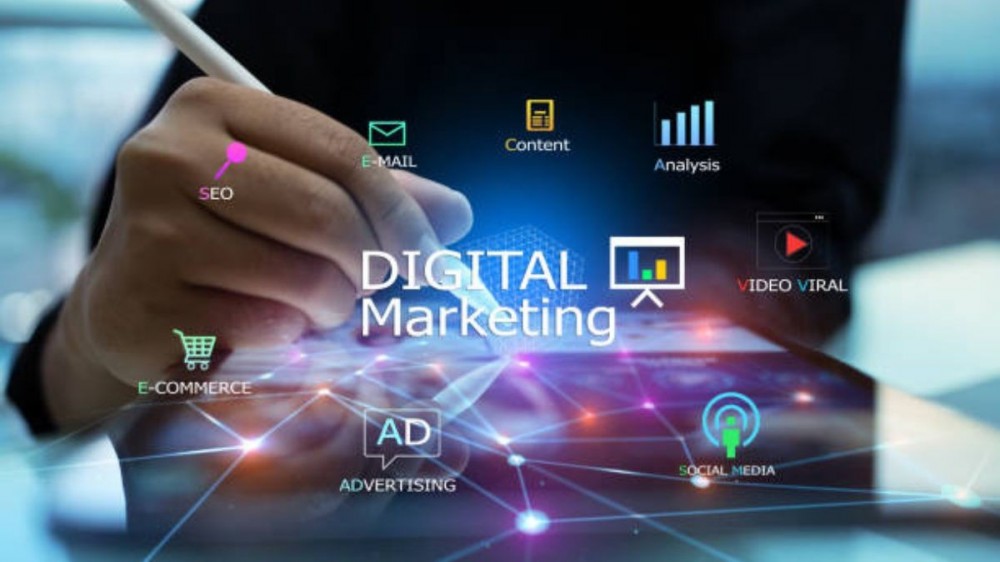
In today’s fast-paced and technology-driven world, digital marketing has become the heartbeat of modern business strategy. Every successful company now relies on digital platforms to connect with audiences, build credibility, and achieve measurable results. Traditional marketing alone no longer meets the needs of an audience that spends most of its time online. To compete effectively, businesses must embrace digital marketing as a core driver of visibility and growth.
What Digital Marketing Really Means
Digital marketing involves promoting products and services through digital channels such as search engines, social media platforms, websites, and email campaigns. It combines strategic planning, creativity, and data analysis to deliver targeted messages that reach the right people at the right time.
Unlike traditional advertising, digital marketing is interactive and measurable. Every click, view, and engagement provides insights into audience behavior. This constant feedback loop allows marketers to refine strategies in real time, improving both efficiency and return on investment.

Why Every Brand Needs a Digital Presence
Consumers no longer rely solely on television ads or print materials to make purchasing decisions. Instead, they turn to search engines, online reviews, and social media to guide their choices. Businesses that lack a strong digital presence risk becoming invisible to potential customers.
A consistent online identity enhances credibility. When a brand appears across search results, social feeds, and professional directories, it signals reliability and authority. This visibility not only drives new customers but also helps retain existing ones through ongoing engagement.
Data: The Core of Digital Success
Data is the foundation upon which effective digital marketing is built. Advanced analytics tools allow marketers to track performance and user behavior across every channel. By interpreting this information, businesses can identify what works and what needs improvement.
Data also enables personalisation. Companies can tailor messages and offers to individual preferences, increasing conversion rates and customer satisfaction. The power of data lies in its ability to turn raw information into strategic insight, guiding smarter marketing decisions.
Creating Impact Through Quality Content
At the centre of every digital strategy is content. It informs, entertains, and inspires audiences to connect with a brand. Whether it’s through blog posts, videos, infographics, or social media updates, high-quality content positions a company as a trusted authority in its field.

Effective content speaks directly to the audience’s needs and interests. It solves problems, answers questions, and builds emotional connections. Over time, this consistent delivery of value transforms one-time visitors into loyal followers.
To enhance the online experience, tools like instanavigation are often used to simplify how users access and interact with digital content, creating smoother and more engaging journeys.
Optimising for Search Engines
Search engines are the gateways through which customers discover brands online. Search engine optimisation (SEO) ensures that a website appears prominently in search results for relevant keywords. A well-structured SEO strategy involves optimising content, improving site performance, and building reputable backlinks.
Modern SEO focuses not only on keywords but also on the overall user experience. Fast loading speeds, mobile responsiveness, and clear navigation are all critical ranking factors. When a site performs well technically and provides valuable information, it earns both user trust and higher visibility.
Social Media as a Brand Amplifier
Social media platforms have transformed how brands communicate with audiences. They offer a space for storytelling, interaction, and community building. Through consistent and authentic engagement, businesses can showcase their personality and values, making them more relatable to their followers.
Social media marketing is most effective when it goes beyond promotion. Brands that share meaningful insights, respond to comments, and participate in conversations create stronger emotional bonds with their audience. These relationships often translate into long-term loyalty and organic brand advocacy.
Emerging Trends Shaping Digital Marketing
The digital landscape continues to evolve, driven by new technologies and changing user behaviour. Artificial intelligence and automation are revolutionising campaign management, making it easier to deliver personalised messages at scale. Machine learning tools can predict customer preferences and optimise content delivery automatically.
Video content and interactive media are also gaining momentum. Consumers crave authentic and immersive experiences, and brands that adapt to this demand are seeing stronger engagement rates. Voice search, virtual reality, and data privacy considerations will further influence how digital marketing evolves in the coming years.
Conclusion:
Digital marketing is far more than an advertising tactic—it’s the cornerstone of sustainable business growth. It enables brands to reach global audiences, understand customer behaviour, and adapt quickly to shifting market trends.
As technology advances, the businesses that succeed will be those that combine creativity with analytics, strategy with innovation, and authenticity with connection. Mastering digital marketing is not just about keeping up—it’s about leading the way in an increasingly digital world.





